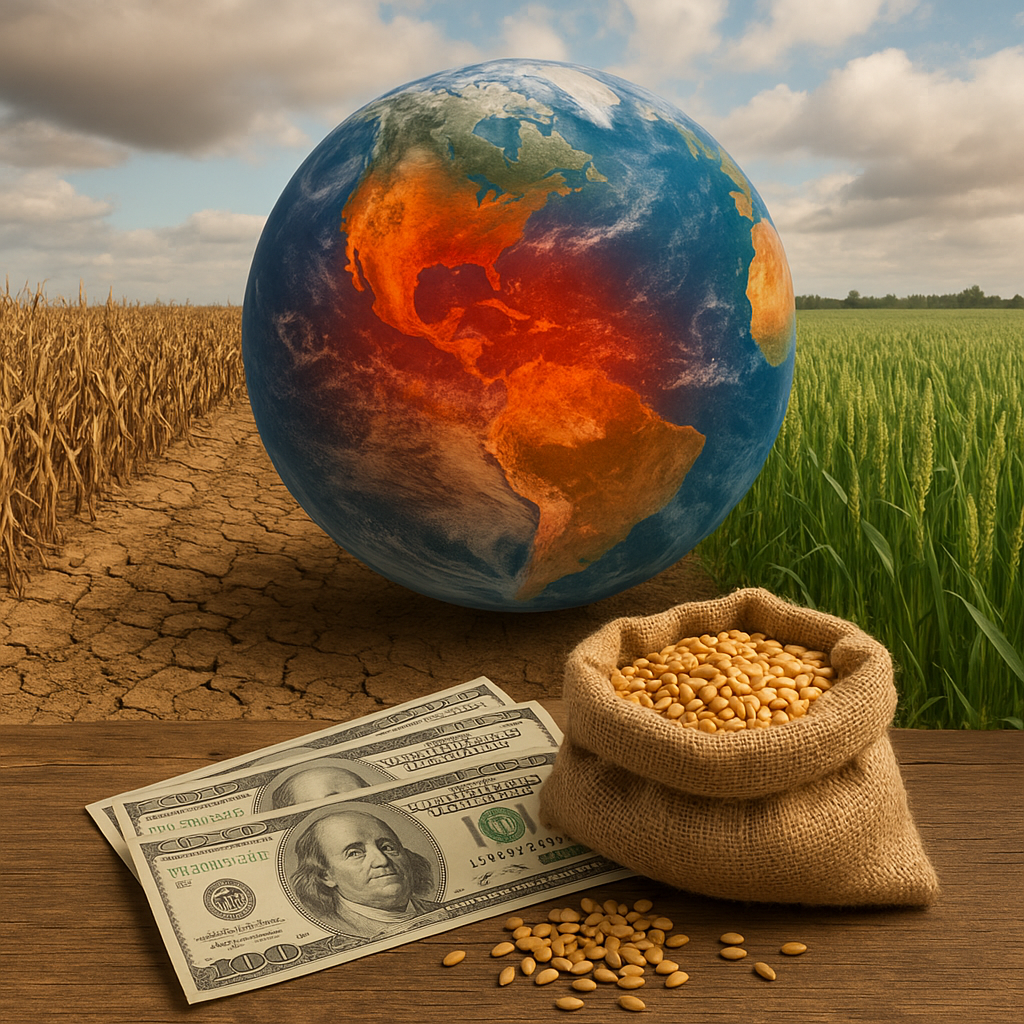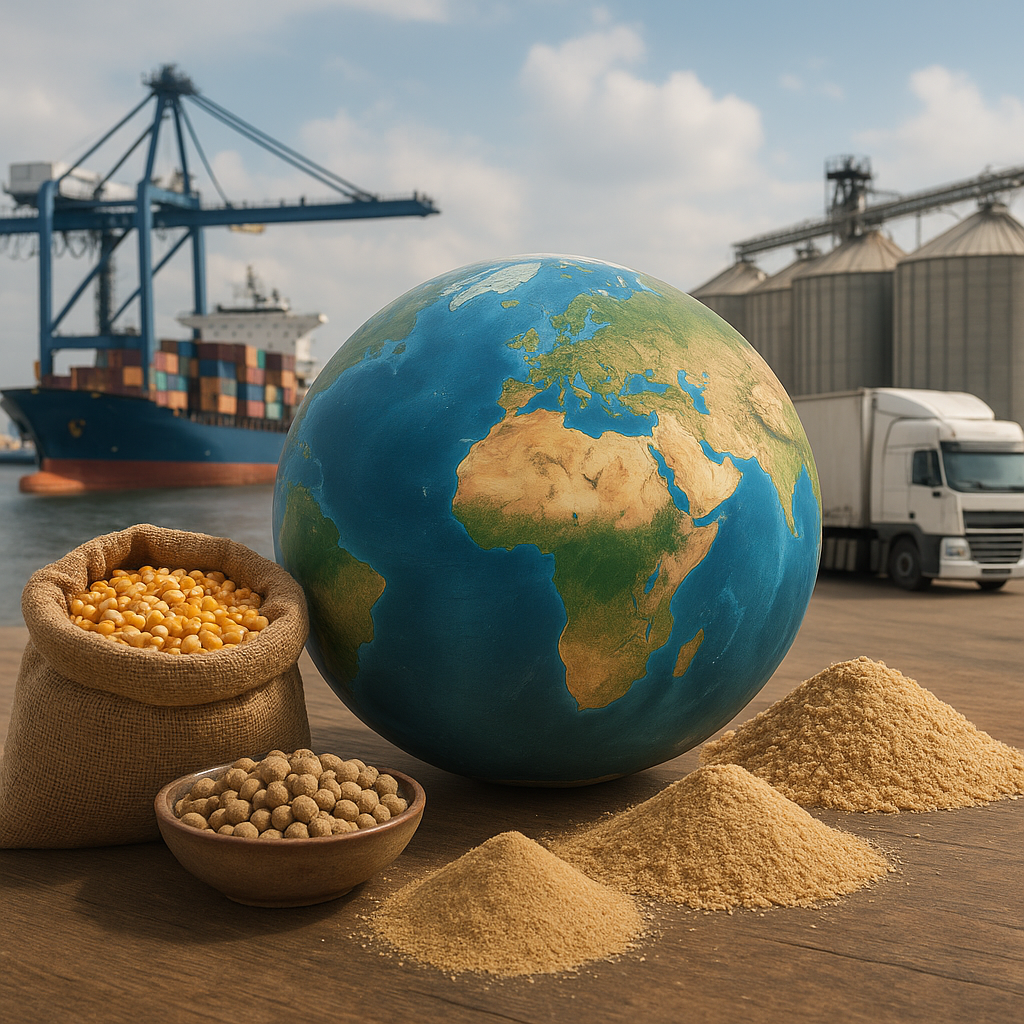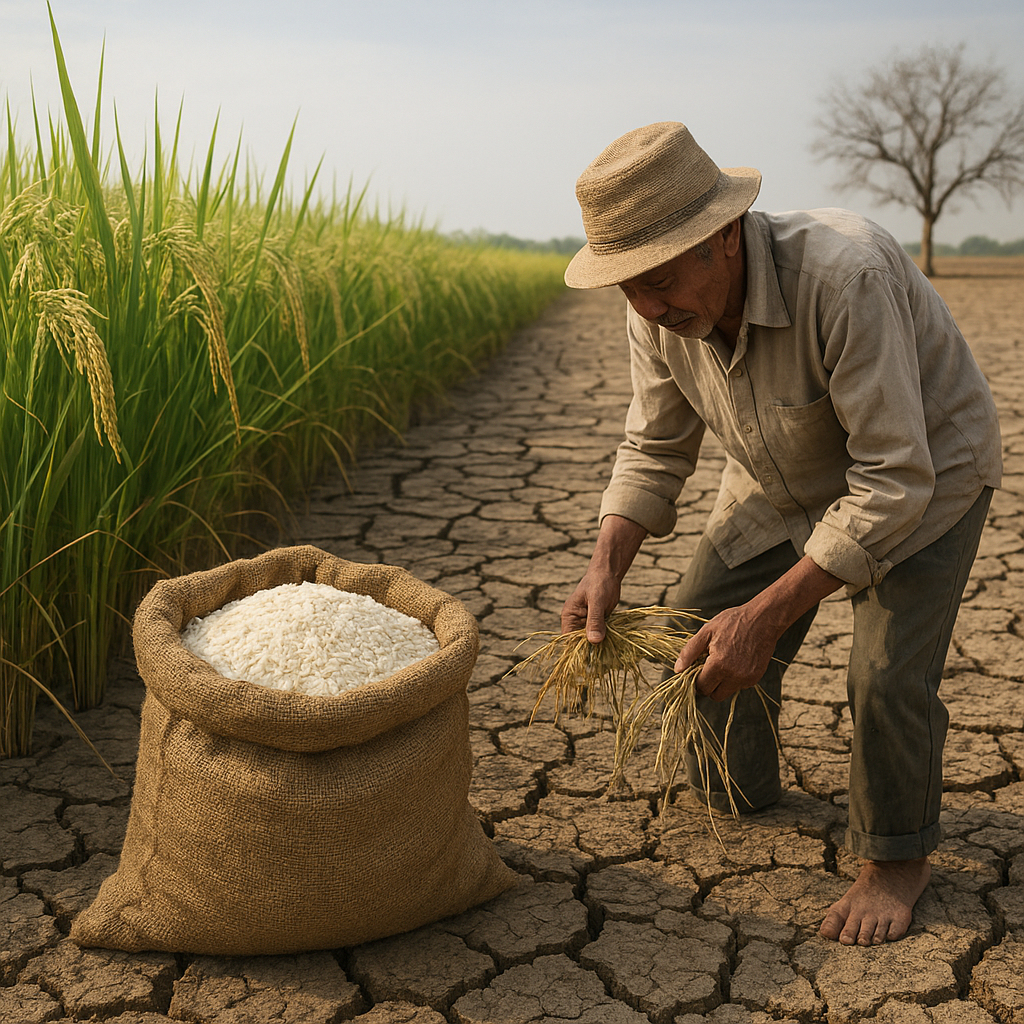
The intersection of agriculture and global commerce is under pressure as environmental shifts alter production patterns and reshape supply chains. This article explores how the global rice sector is evolving in response to rising temperatures, unpredictable rainfall, and extreme events. By examining production changes, price dynamics, and the strategies farmers and governments deploy, we aim to illuminate pathways for sustaining food security and rural livelihoods. The analysis blends agronomic realities with market mechanisms and policy choices, highlighting opportunities for innovation and increased resilience across the value chain.
Climate drivers and their impact on production systems
Rice, as a staple for over half of the world’s population, is acutely vulnerable to shifts in weather patterns. The combined effects of higher ambient temperatures, altered monsoon timing, and intensified droughts and floods change the agronomic environment in which rice is grown. Heat stress during flowering reduces grain set, erratic water availability undermines flooded-system management, and salinization of coastal paddies erodes arable land. These biophysical changes translate into lower average yield potentials, greater inter-annual variability, and new pest and disease pressures.
Physiological and ecological mechanisms
Temperature increases accelerate crop phenology, shortening grain-filling periods and reducing final biomass. Many traditional varieties lack heat tolerance during critical reproductive stages, leading to spikelet sterility and yield losses. Water stress limits tiller production and starch accumulation, while prolonged inundation can affect root respiration. At the same time, shifting climate envelopes allow pests and pathogens to expand their ranges, increasing incidence of rice blast, bacterial blight, and insect pressures where they were previously minor problems. These dynamics force producers to adjust planting dates, select different cultivars, or adopt irrigation management practices that can have large labor and cost implications.
Regional heterogeneity in vulnerabilities
Not all rice-producing regions face identical threats. Lowland South and Southeast Asia encounter monsoon variability and coastal salinity, while irrigated temperate systems in East Asia confront water scarcity linked to upstream demand and glacier retreat. West Africa’s rainfed systems contend with increasing drought frequency, and parts of Latin America face competition for water from urbanizing centers. This heterogeneity means that market responses and adaptation pathways will be localized, even as global trade transmits shocks across borders.
Market dynamics: price formation, volatility, and trade flows
Changes in production feed directly into markets. Lower aggregate supply or heightened uncertainty typically raises price levels and amplifies volatility, with consequences for both producers and consumers. Rice markets are distinct from many commodity systems due to storage challenges, cultural importance, and trade policy interventions that governments frequently use to stabilize domestic prices.
Price formation and speculation
Price signals in rice markets reflect current supply expectations, inventory levels, and future production prospects. With climate-induced yield variability, forward-looking traders and governments face greater difficulty forecasting supplies. This uncertainty can increase risk premia, widen price bands, and invite speculative activity in futures and derivatives where available. For many smaller markets lacking deep financial instruments, price swings manifest more sharply in spot markets, increasing food insecurity risk for vulnerable populations.
Trade adjustments and strategic reserves
International trade serves as a crucial buffer when local harvests fail, but trade also transmits shocks. Major exporting countries sometimes impose export restrictions during shortfalls to protect domestic consumers, which exacerbates global price spikes. Conversely, importers may diversify sourcing or stockpile reserves. The role of strategic grain reserves and better-targeted social safety nets becomes central under prolonged climate stress. Where trade remains open and predictable, markets can reallocate supply efficiently; where protectionism rises, global welfare losses are amplified.
- Export bans and tariffs can reduce global availability and raise prices.
- Regional trade agreements and logistics investments improve resilience by enabling rapid supply shifts.
- Investment in storage infrastructure reduces post-harvest losses and smooths seasonal price swings.
Adaptation strategies: farm-level to system-wide solutions
Adapting the rice sector to a changing climate requires a portfolio of actions that span improved genetics, water management, finance, and institutional reforms. Farmers, private sector actors, and governments each have roles to play in a coordinated response.
Genetic improvement and crop management
Breeding and disseminating varieties with traits such as heat tolerance, salt tolerance, and oxygen-saving mechanisms under submergence are high-impact interventions. Agroecological practices like system of rice intensification (SRI), alternate wetting and drying (AWD) irrigation, and conservation tillage can increase water use efficiency and carbon sequestration while maintaining yield. Precision agronomy—timed nutrient application, integrated pest management, and use of climate-smart advisory services—reduces input waste and stabilizes production under variable conditions.
Water governance and infrastructure
Adapting irrigation systems to be flexible and efficient is critical for many rice systems. Investments in canal lining, drip and sprinkler systems for supplemental irrigation, and remote-sensing driven scheduling help manage scarce water. Equally important is institutional reform: water allocation rules, groundwater regulations, and stakeholder-driven basin management that recognize the trade-offs among agriculture, cities, and ecosystems.
Financial instruments and risk management
Insurance products such as index-based insurance, contingency finance, and microcredit tailored for smallholders can buffer revenue shocks. Developing functioning futures and options markets in major regional hubs provides risk management tools for larger producers and traders. Public-private partnerships can subsidize early-stage premium costs or offer reinsurance arrangements to scale coverage where commercial markets are thin.
Supply chains, value addition, and the role of technology
Beyond production, the rice value chain—including milling, processing, transportation, and retail—must adapt to remain efficient and equitable. Climate stress raises the stakes for reducing loss and improving quality, given tighter supplies and higher consumer sensitivity.
Post-harvest improvements and logistics
Investment in drying, hermetic storage, and modern milling improves grain quality and extends shelf life, allowing sellers to time sales to favorable market conditions. Cold chain development is less relevant for rice but better cargo handling and inland transport reduce spoilage and regional price dispersion. Digital platforms that aggregate supply and match buyers with sellers help reduce transaction costs and reveal market signals more transparently.
Digital agriculture and data systems
Remote sensing, climate and crop modeling, and mobile advisory services give farmers real-time inputs about planting windows and pest risks. Traceability technologies—barcodes, QR codes, and blockchain—can add value by verifying provenance and production practices, opening market segments willing to pay premiums for sustainability and quality-certified rice. Data-driven credit scoring and input delivery permit tailored financial products, further enabling innovation adoption at scale.
Policy frameworks and international cooperation
Effective public policy can align incentives across stakeholders to mitigate risks and harness opportunities. Because rice is a politically sensitive commodity, policy choices often balance short-term food security concerns with long-term investment needs.
Domestic policy levers
Governments can support research and extension for climate-resilient varieties, subsidize water-saving technologies, and reform input subsidy programs to encourage resource-efficient practices. Safety nets—cash transfers, targeted food distribution, and school feeding—protect the most vulnerable from price shocks. Fiscal policies that internalize environmental costs and encourage sustainable land use are also part of a coherent strategy.
Global governance and cooperation
International institutions can facilitate knowledge sharing, fund adaptation projects in low-income countries, and mediate trade policies to prevent destructive export restrictions. Collaborative research networks accelerate breeding efforts and coordinate germplasm exchange. Likewise, climate finance mechanisms need to prioritize agricultural resilience, recognizing the sector’s role in both vulnerability and mitigation.
Socioeconomic consequences and equity considerations
Climate-driven market changes affect households differently. Smallholder producers often lack capital to invest in irrigation or improved seed, making them more susceptible to yield declines and price swings. Urban poor spend a larger share of income on food, so price increases have disproportionate welfare effects. Gender dynamics within rural communities also shape who benefits from adaptation investments and who bears the brunt of shocks.
- Targeted extension and credit programs are necessary to ensure smallholders can access new technologies.
- Women-headed households require tailored interventions given differential access to land and inputs.
- Inclusive value chain development—contract farming with fair terms, cooperatives, and producer organizations—can improve bargaining power and distributional outcomes.
Pathways forward: aligning markets, technology, and policy
To navigate the pressures on the rice sector, stakeholders must pursue coherent strategies that combine short-term risk management with long-term transformation. Enhancing market transparency, investing in resilient infrastructure, scaling climate-smart agronomy, and reforming policies to support adaptive capacity are complementary actions. Emphasizing policy coherence across agriculture, water, and trade will ensure that interventions are mutually reinforcing rather than contradictory.
Ultimately, sustaining global rice supplies under increasing climatic stress requires integrated approaches that privilege resilience, adaptation, and equitable access to technologies and markets. By leveraging innovation in genetics and digital services, strengthening regional trade linkages, and promoting environmental sustainability, the rice sector can evolve in ways that protect livelihoods and food systems. Market actors and policymakers must act decisively to translate knowledge into action, securing stable supplies while supporting the farmers and consumers who depend on this critical crop.