The recent expansion of quinoa cultivation and its entry into diverse global supply chains illustrate both opportunities and tensions shaping contemporary agricultural systems. Producers, traders, researchers and consumers are negotiating a changing landscape where traditional crops cross borders, new competitors emerge, and environmental and social concerns gain prominence. This article examines key dynamics in agricultural production, the functioning of agricultural markets, and the competitive pressures that influence livelihoods, policy and landscapes. It highlights pathways for responsible growth and practical considerations for stakeholders across the value chain.
Global drivers of quinoa expansion
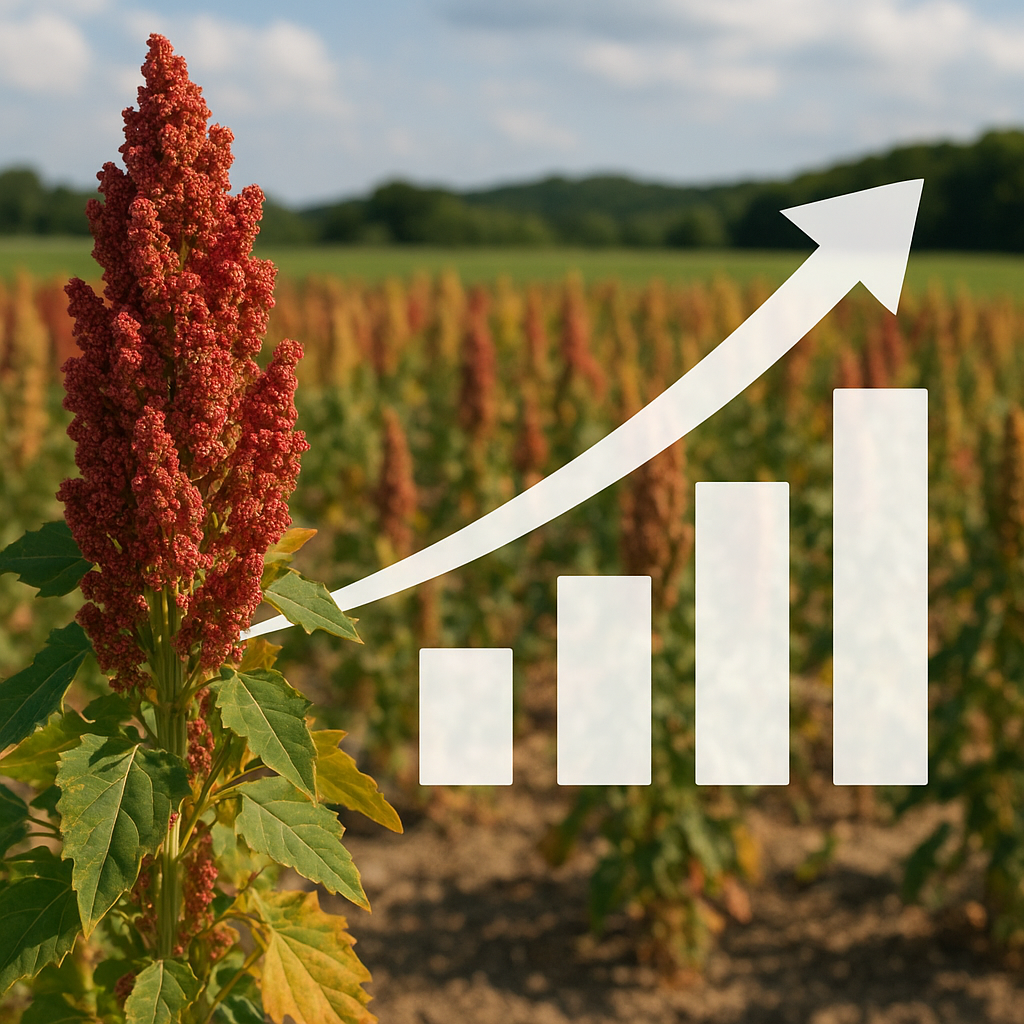
Over the last two decades, quinoa has shifted from a regional Andean staple to an internationally traded commodity prized for its nutritional profile. Several interconnected forces have driven this change:
- Health and consumer trends: Increasing consumer interest in plant-based proteins, gluten-free diets and nutrient-dense foods has raised global demand.
- Market access and trade liberalization: Improved logistics, trade agreements and private sector investment have opened new export markets.
- Research and breeding: Agronomic research, breeding programs and knowledge transfer have enabled cultivation outside traditional altitudes and climates.
- Price signals: Periods of price appreciation have incentivized expansion into new regions and larger-scale production systems.
These drivers interact with long-term structural changes in agriculture — consolidation of buyers and processors, digitalization of trading platforms, and evolving consumer expectations about sustainability and provenance. The combined result is heightened interest in transforming production systems to supply growing markets, but also increased vulnerability to market swings and ecological trade-offs.
Regional patterns and production challenges
Traditional areas and emerging locales
The highest-quality seed lines and the most experienced farming communities remain concentrated in parts of the Andean countries, where centuries of selection produced varieties adapted to high-altitude conditions. However, agricultural research institutions and private farms have introduced quinoa to temperate regions in Europe, North America, Asia and Africa. This geographic diversification reduces some supply risks but introduces new agronomic and market challenges.
Ecological and agronomic constraints
Scaling cultivation outside its native environment requires attention to local soil conditions, water availability and pest dynamics. In new growing regions, farmers often face an initial learning curve with respect to sowing windows, input management and harvest timing. Increasing acreage can also pressure local ecosystems through monoculture expansion or intensive input use, threatening biodiversity and long-term soil health.
Livelihood implications for smallholders
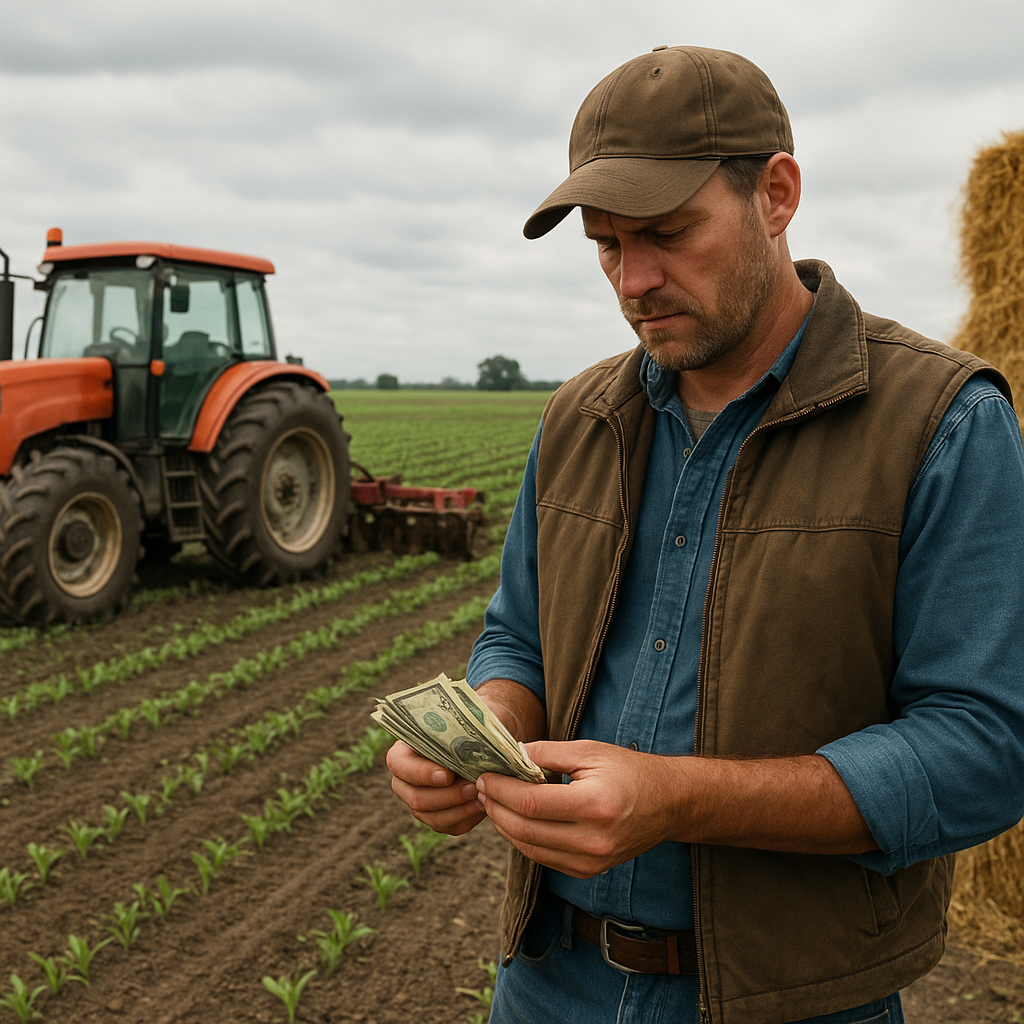
In many traditional production zones, farmers have benefited from higher returns, but these gains can be uneven. Smallholders may lack access to quality seed, credit or storage and are frequently exposed to price volatility and buyer concentration. Conversely, higher prices may encourage land-renting, labor hiring and shifts away from diverse crop mixes, with potential social and ecological consequences.
Market structures, value chains and pricing dynamics
From field to fork: value chain actors
Understanding the competitive pressures around quinoa requires mapping the chain of actors:
- Input suppliers (seed, fertilizers, agrochemicals)
- Primary producers (smallholders and larger commercial farms)
- Aggregators, cooperatives and traders who assemble lots for processing
- Processors and quality graders who remove saponins and sort by grain size
- Exporters and retailers who connect to international markets
- Consumers and institutional buyers setting demand signals
Each actor has bargaining power that shapes who captures value. Consolidation among processors and supermarket chains can compress farmgate margins, while certification schemes and niche marketing (organic, fair trade) may allow producers to capture premiums.
Price formation and volatility
Global pricing patterns for quinoa reflect a mix of local supply shocks, speculative buying, currency movements and changing consumption preferences. Prices can spike when supply disruptions occur, prompting rapid entry by new producers whose costs and yield profiles differ substantially from traditional growers. These cycles create risks:
- Short-term windfalls that fade as supply increases
- Market gluts that depress prices below production costs
- Regional disparities where export demand lifts prices but local consumers face higher food costs
Mechanisms such as forward contracts, warehouse receipt systems and cooperatives can help stabilize incomes, but require institutional capacity and regulatory frameworks to function effectively.
Competitive pressures: new producers, quality segmentation and standards
Entry of diverse producers
The ability to grow quinoa in new agroecological zones means that producers from diverse regions increasingly compete for the same international buyers. While this offers opportunities for supply diversification, it also creates competitive pressure through:
- Lower-cost production in regions with cheaper land and labor
- Different quality profiles leading to segmentation of the market
- Rapid capability-building by agribusinesses to consolidate supply chains
New entrants may focus on bulk commodity markets, while traditional regions emphasize niche qualities — for example heirloom varieties or specific flavor and nutrient profiles valued in gourmet segments.
Standards, certifications and market access
Quality and safety standards (seed purity, pesticide residues, post-harvest handling) become gatekeepers. Certifications such as organic, Fair Trade and geo-origin labels can confer advantages but also impose costs. Compliance requires investment in traceability systems, training and audits. For many smallholders, accessing these markets without intermediary support is challenging.
Sustainability, environmental trade-offs and adaptation strategies
Environmental impacts of expansion
Expanding quinoa production can yield both positive and negative environmental outcomes. On the positive side, quinoa often tolerates marginal soils and lower water inputs compared to some cereals, potentially enabling productive use of previously underutilized land. On the negative side, rapid expansion can:
- Reduce crop diversity when farmers move away from polycultures
- Increase erosion and nutrient depletion under poor management
- Raise water demand in areas where irrigation is introduced
Mitigating these risks requires integrated soil and water management, crop rotation plans and support for agroecological practices that maintain ecosystem services.
Resilience and adaptation measures
Climate variability adds urgency to building resilience. Measures that improve long-term outcomes include:
- Breeding for climate-resilient varieties and pest resistance
- Diversified farming systems that combine quinoa with legumes, cover crops and agroforestry
- Agroclimatic advisories and weather-indexed insurance products
- Investment in soil health and conservation agriculture to stabilize yields
Policy support and extension services play pivotal roles in enabling farmers to adopt these practices.
Policy, governance and inclusive value chains
Roles for governments and institutions
Effective governance can channel the benefits of export-led growth while minimizing harms. Priority actions include:
- Supporting research and seed systems that protect farmer rights and genetic diversity
- Facilitating access to finance and infrastructure for small-scale producers
- Implementing trade policies that prevent market distortions and support fair competition
- Strengthening food safety, labelling and traceability systems
Designing policies that balance export promotion with domestic food security is essential, particularly where rising export demand could inflate local prices for a culturally important staple.
Cooperatives, farmer organizations and value capture
Collective action can improve producer negotiating power, reduce transaction costs, and help capture a larger share of value within the chain. Successful cooperatives combine:
- Transparent governance and business management
- Access to market intelligence and quality-improving investments
- Shared processing or certification facilities
When well-designed, these organizations can channel premiums for high-quality or certified products back to rural communities, enabling reinvestment in sustainable practices and livelihoods.
Innovation, research and future outlook
Technological and institutional innovations
Future trajectories for quinoa and similar crops will be shaped by innovations across scientific, technological and institutional domains. Promising areas include:
- Participatory breeding that aligns varietal traits with farmer preferences
- Digital platforms connecting producers to buyers, weather services and finance
- Improved post-harvest technologies to reduce losses and maintain quality
- Market instruments that reward sustainable production, such as payments for ecosystem services
Balancing competitiveness with social and ecological goals
As competing producers diversify supply, market competition will likely drive prices toward an equilibrium that favors efficiency. The challenge for policy and practice is to ensure that efficiency gains do not erode social equity or environmental integrity. Emphasizing diversified income streams, strengthening local institutions and aligning market incentives with conservation outcomes are all parts of a coherent strategy.
In conclusion, the expansion of quinoa production offers lessons applicable across agricultural markets. Rapid growth can create income opportunities and healthier diet options, but without deliberate governance, capacity-building and investment in sustainability, it can also generate competitive pressures that disadvantage smallholders and degrade ecosystems. By centering farmers, protecting biodiversity, improving post-harvest systems to protect yields, and creating transparent and fair value chains, stakeholders can steer this expansion toward more equitable and resilient outcomes.