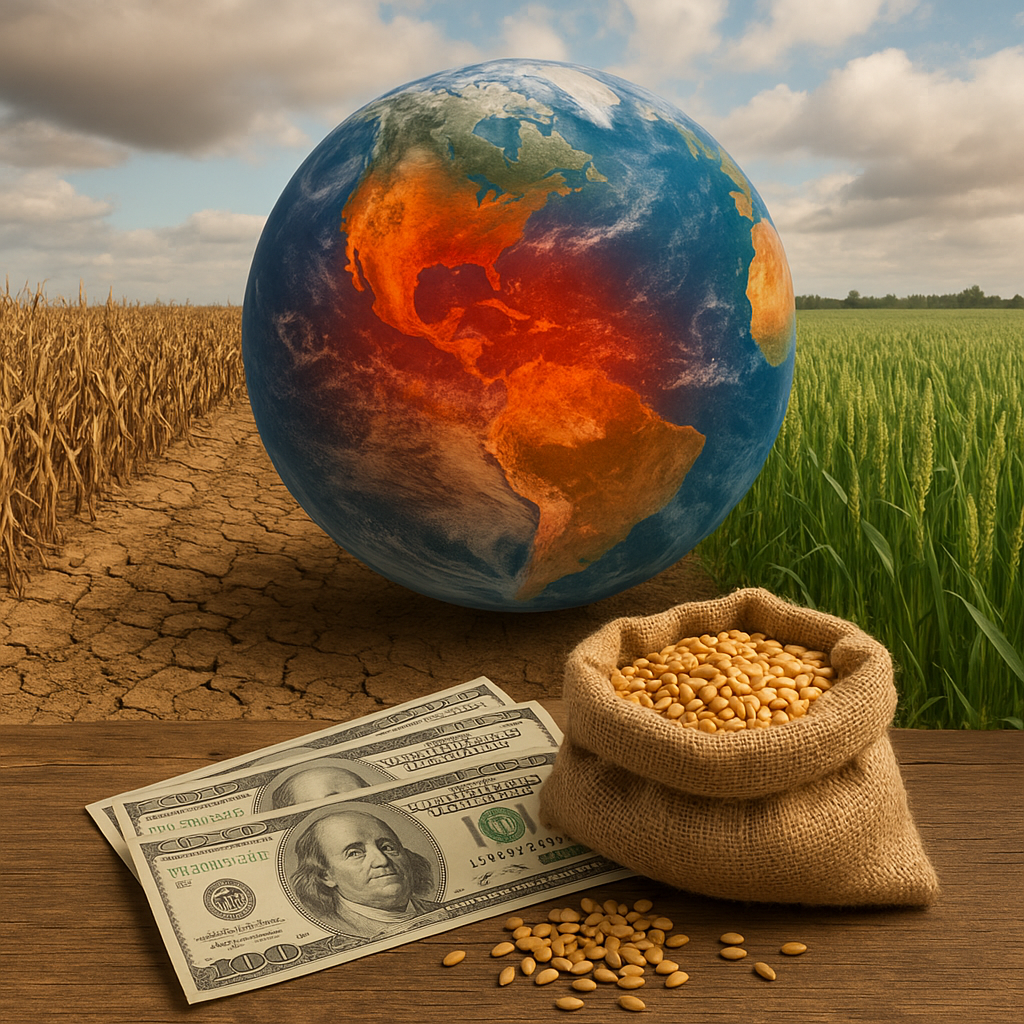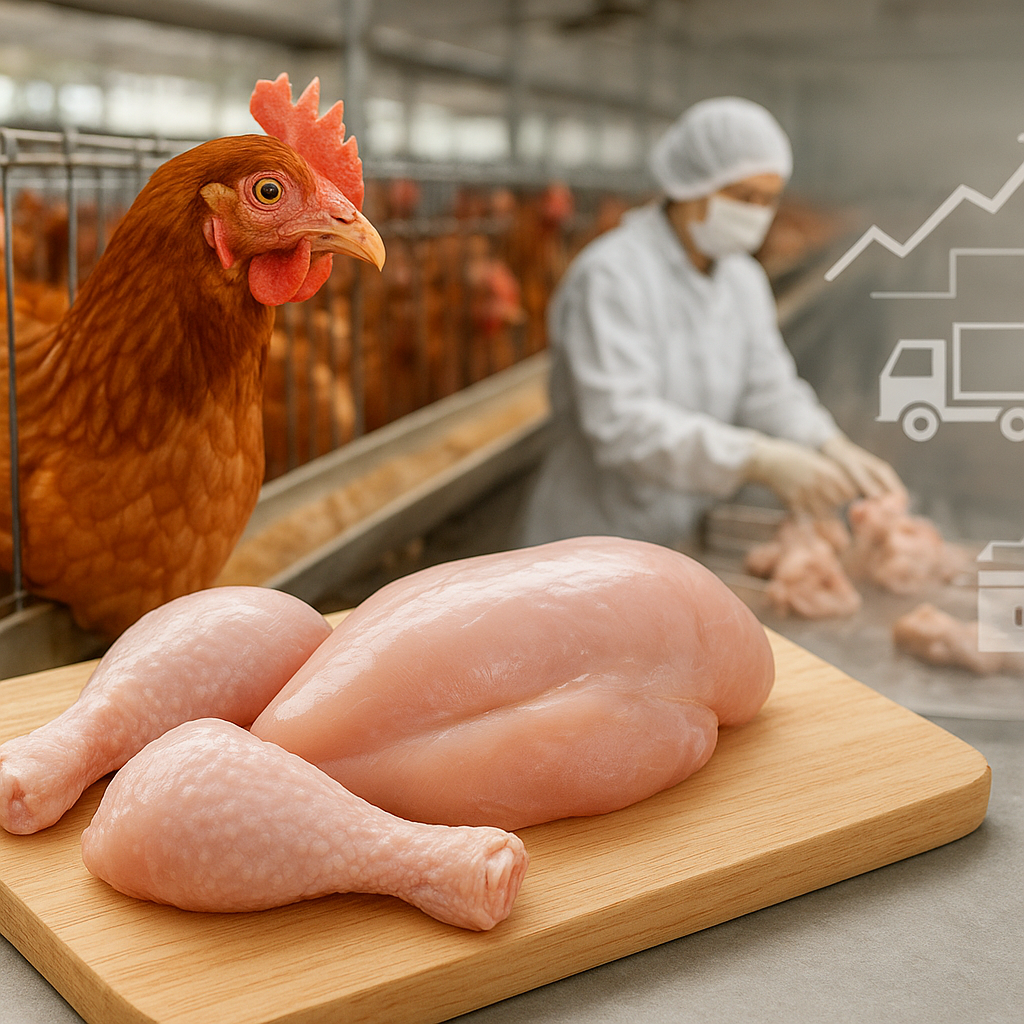
The global landscape of agricultural markets is shifting rapidly as consumers, producers and policymakers respond to changing preferences, technological breakthroughs and mounting environmental pressures. This article examines contemporary patterns in the production and consumption of animal protein with a particular focus on the poultry sector, explores critical vulnerabilities in distribution networks, and outlines practical strategies for improving market performance and sectoral resilience. By highlighting key drivers and structural constraints, the piece aims to inform stakeholders across farming, trade and policy arenas about actionable measures to strengthen both local and international food systems.
Global poultry consumption trends and market drivers
Over the past two decades, demand for animal protein has expanded unevenly across regions. The rise in disposable incomes, rapid urbanization, and changing dietary norms have propelled the consumption of affordable and versatile meats, with poultry emerging as a major beneficiary. In many emerging economies, poultry has become a preferred protein source due to its relatively low cost per calorie, short production cycles and adaptability to intensive production systems.
Consumption patterns and demographics
Consumption growth is concentrated in Asia and parts of Africa, where population growth and rising middle classes are driving higher per capita intake. In advanced economies, growth is more modest but notable shifts in product mix are visible: consumers favor convenience formats, value-added products and specialty items (organic, free-range, antibiotic-free). These preferences are reshaping supply chains and retail assortments.
- Rural-to-urban migration increases demand for processed and refrigerated poultry products.
- Health and welfare concerns shift some consumers toward higher-priced niche products.
- Price-sensitive segments remain dominant in lower-income markets, keeping volume demand for conventional poultry high.
Economic and environmental pressures
Feed prices, energy costs and climate-related productivity shocks directly affect production economics. The poultry sector is sensitive to fluctuations in feed grains; as feed accounts for a large portion of production costs, global commodity price swings transmit quickly to producers and consumers. At the same time, environmental considerations are driving investment in more resource-efficient production systems, though adoption varies by region and farm scale.
International trade patterns are also evolving. Increasingly, countries rely on poultry imports to meet shortfalls or to supply seasonal demand spikes. Export-oriented producers, particularly in South America and parts of North America, have expanded capacity to serve global markets, altering competitive dynamics and price formation in regional markets.
Supply chain challenges and operational risks
Poultry supply chains combine intensive production, rapid perishability and a high degree of seasonality—features that make them vulnerable to multiple types of disruption. Understanding the interplay between biological risk, logistical constraints and market volatility is essential for stakeholders seeking to reduce systemic fragility.
Biosecurity and disease outbreaks
Animal health risks such as avian influenza periodically decimate flocks, trigger trade restrictions and create acute supply shocks. Robust biosecurity measures at farm and processing levels are indispensable. However, the uneven adoption of such measures—driven by differences in farm size, capital availability and regulatory oversight—means that outbreaks remain a recurrent threat.
- Smallholder and backyard production systems often lack the infrastructure to maintain effective biosecurity.
- Cross-border animal movements and informal trade channels complicate disease surveillance and containment.
Cold chain and logistics
Maintaining product integrity from farm to fork requires reliable logistics and an unbroken cold chain. Inadequate refrigeration, poor transport infrastructure and labor shortages increase spoilage and food safety risks. These challenges are particularly acute in tropical climates and in regions where public investment in infrastructure lags behind growing demand.
Market concentration and bargaining power
Vertical integration and consolidation among processors and retailers have reconfigured producer–buyer relationships. Large buyers often exert significant pressure on pricing and contractual terms, while producers—especially small and medium-scale farmers—face margin squeezes. This dynamic can disincentivize investment in long-term improvements that would enhance overall resilience.
Price volatility and input dependencies
Poultry production is highly exposed to swings in input prices and currency movements. Feed cost volatility, driven by grain markets and biofuel policies, cascades through production systems. Exchange rate fluctuations affect the cost competitiveness of exporters and the affordability of imported inputs, increasing overall market volatility.
Policy, trade and market responses
Effective policy responses balance immediate risk mitigation with long-term structural improvements. Governments, industry associations and global institutions each play roles in shaping an environment that supports sustainable growth and food security.
Regulatory frameworks and incentives
Policies that promote investments in animal health systems, surveillance and vaccination can reduce the frequency and severity of disease outbreaks. Fiscal incentives and credit programs targeted at on-farm modernization help smaller producers adopt technologies that improve productivity and environmental performance. Trade policies should aim to minimize unnecessary barriers while ensuring that health and safety standards are met.
Trade facilitation and market diversification
Diversifying supply sources and building resilient trade corridors reduces exposure to localized shocks. Trade agreements that harmonize sanitary and phytosanitary (SPS) standards and support rapid data-sharing mechanisms enable quicker responses when disruptions occur. Meanwhile, regional value chains can offer shorter logistics routes and greater supply reliability.
Risk management instruments
Market actors can employ a range of financial instruments to hedge risks: futures and options on feed commodities, index-based insurance for weather or disease-related losses, and forward contracts for pricing stability. Development of tailored risk products for smallholders—coupled with extension services—can raise participation rates and broaden risk-sharing across the value chain.
Technological and sustainability innovations
Technological change offers multiple pathways to address supply chain constraints while reducing environmental impacts. Innovations in genetics, nutrition and farm management are simultaneously raising productivity and improving resource efficiency.
Precision farming and digital traceability
Adoption of sensors, IoT devices and cloud-based analytics enables real-time monitoring of flock health, feed conversion ratios and environmental conditions. Enhanced traceability—often enabled by digital ledgers or simplified mobile record systems—improves transparency and allows faster recalls, if necessary. These capabilities strengthen trust across trade partners and consumers.
- Digital traceability systems reduce transaction costs and improve compliance with SPS measures.
- Data-driven vaccination schedules and feed optimization reduce mortality and improve margins.
Sustainable production practices
Lifecycle assessments and environmental accounting are guiding investments toward lower-emission feeds, improved manure management and energy-efficient processing plants. Certification schemes and eco-labels provide market signals for producers to adopt practices that enhance sustainability, although access to premium markets is not uniform across regions.
Alternative proteins and product innovation
Plant-based proteins and cultured meat pose demand-side uncertainties for traditional poultry markets. While current impact is limited in many regions, continued innovation and cost reductions could reshape future demand. Producers and processors are responding by investing in product diversification, such as ready-to-eat and fortified poultry products tailored to urban consumers.
Practical strategies for supply chain actors
Stakeholders can adopt pragmatic actions to strengthen performance, lower risks and capture value opportunities. These interventions are relevant at farm, processor and policy levels.
Actions for producers
- Invest incrementally in biosecurity and flock health monitoring to reduce outbreak risks.
- Form cooperatives or producer groups to achieve economies of scale in input procurement and market access.
- Adopt balanced feed strategies and improve feed storage to buffer against price shocks.
Actions for processors and retailers
- Enhance cold-chain infrastructure and collaborate with logistics providers to reduce spoilage.
- Provide forward contracts or contract farming arrangements that share risks and align incentives.
- Engage consumers with transparent information on welfare and environmental practices to capture premiums.
Actions for policymakers and development partners
- Prioritize investments in rural infrastructure—transport, storage and energy—to reduce systemic inefficiencies.
- Support accessible financing and insurance products tailored to agricultural timelines and risk profiles.
- Strengthen regional cooperation on animal health surveillance and rapid response capacities.
Looking ahead: aligning markets with resilience
The future trajectory of poultry markets will be shaped by the balance between rising consumer demand, the ability of supply chains to absorb shocks, and society’s expectations for environmental stewardship and animal welfare. Investments in logistics, data-driven management and inclusive financial instruments can mitigate many near-term risks. At the same time, broader shifts—such as changing dietary preferences and trade policy adjustments—will continue to influence where and how poultry is produced and consumed.
For the sector to thrive, stakeholders must act on multiple fronts: enhancing on-farm practices, modernizing distribution systems, and creating enabling policy environments that reduce uncertainty and reward sustainable performance. Strategic emphasis on biosecurity, market diversification and technological uptake will determine whether producers and supply chains can adapt successfully to an increasingly complex global environment characterized by price volatility and heightened consumer expectations.
Ultimately, a resilient poultry sector depends on integrated solutions that link improved production efficiencies with fair market access and robust infrastructure. Achieving that balance will require collaboration across public and private sectors, careful application of innovation, and a willingness to tailor interventions to the diverse realities of farms and markets around the world. Continued attention to these priorities will help ensure stable supplies of affordable protein while advancing sustainability and food system security in the decades to come.