The global agricultural landscape has been increasingly shaped by political currents and strategic rivalries. Disruptions to the movement of staple crops have ripple effects that extend far beyond fields and ports, touching consumers, processors, and policy makers. This article examines how contemporary geopolitical tensions interrupt grain corridors, alters commercial flows, and force both public and private actors to rethink supply chains, risk management and long-term resilience in agriculture.
How geopolitical tensions interrupt agricultural flows
Geopolitical events — ranging from armed conflicts and sanctions to diplomatic standoffs and trade wars — affect the physical and commercial pathways that move cereals and oilseeds from producers to consumers. While agriculture itself is often insulated from immediate political decisions, the systems that underpin international grain commerce are vulnerable to disruption through border controls, maritime insecurity, and restrictions on finance and insurance.
Mechanisms of disruption
- Export controls and bans: Governments under domestic pressure may impose temporary bans or quotas on exports to protect local prices, reducing global availability and increasing volatility.
- Sanctions and financial restrictions: Targeted sanctions can block payments, limit access to shipping services, or force counterparties to avoid certain ports, restricting transaction flows even when physical production continues.
- Maritime and logistic risks: Conflicts that endanger sea lanes or increase the cost of maritime insurance raise freight rates and complicate delivery schedules, affecting traders’ ability to contract cargoes.
- Supply chain fragmentation: When traditional suppliers become politically unreliable, buyers scramble to find alternatives, straining logistics networks and port capacities elsewhere.
- Production disruptions: Agricultural regions within conflict zones may experience reduced planting, harvesting and storage capacity, directly reducing global supplies.
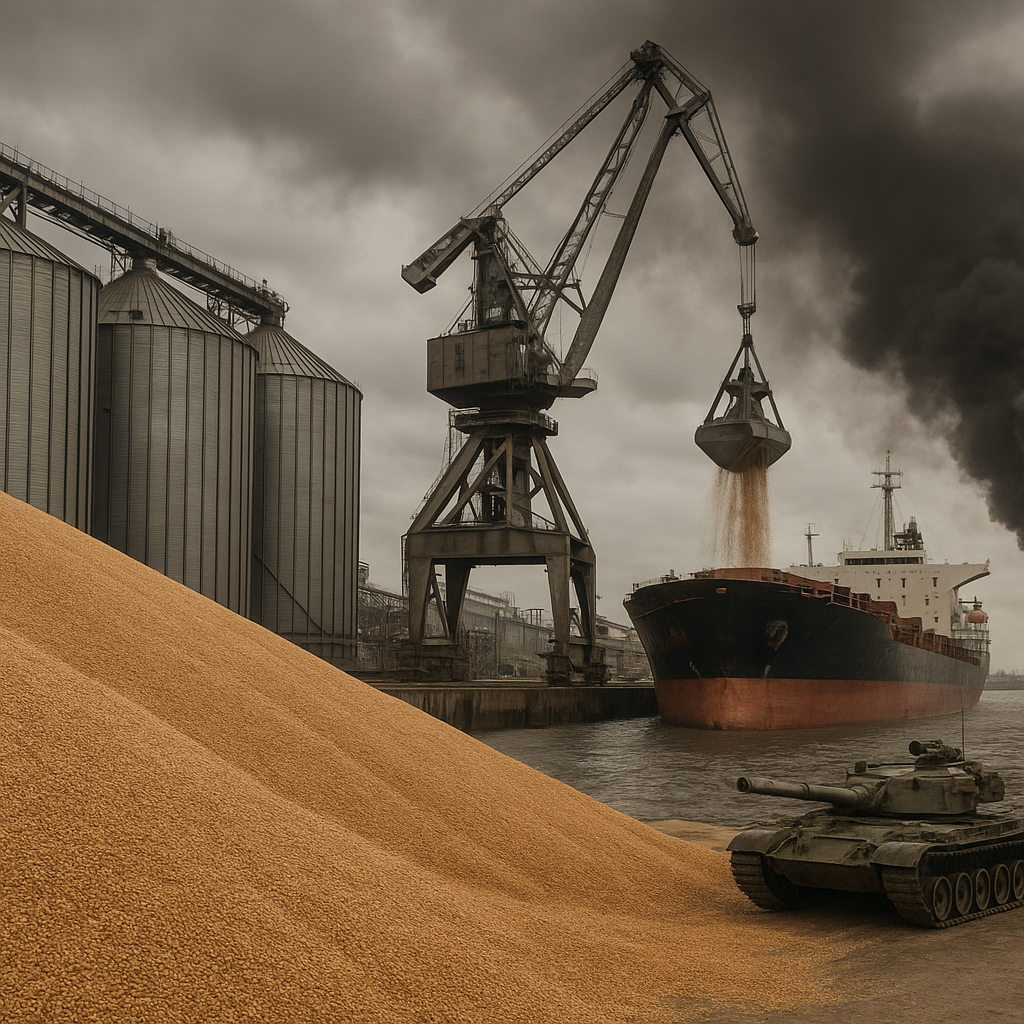
Consider the linkage between geopolitical instability and the choice of trade routes: if a major Black Sea port becomes inaccessible after a conflict, grain flows that once relied on it must be rerouted to distant terminals, increasing transit times and costs. These operational shocks feed into price formation and market expectations.
Market impacts: price dynamics, risk premiums, and food security
Markets respond rapidly to perceived scarcity and uncertainty. A tightening of supply or an interruption to large exporters can push commodity prices higher, distort domestic markets, and trigger policy reactions in importing countries. The interaction between physical shortages and financial markets can amplify initial shocks.
Price formation and volatility
When geopolitical events reduce available global tonnage or complicate delivery, futures markets often embed an immediate risk premium. Traders and speculators bid up prices based on anticipated shortages, while hedging demand for physical shipments intensifies. Increased volatility raises costs for processors, livestock producers and millers who depend on predictable input prices.
Impacts on different actors
- Producers and farmers: High export prices can benefit producers in the short term, but uncertainty about export logistics and input costs (fertilizers, fuel) can hinder planting decisions.
- Import-dependent countries: Nations without domestic production flexibility face the brunt of disruptions and may experience food price inflation, threatening social stability and food security.
- Traders and working capital providers: Constraints on finance and payment mechanisms increase the cost of trade and raise counterparty risk, prompting stricter credit terms or refusal to engage with certain markets.
- Logistics providers: Shipping companies, port operators and insurers adjust routes and premiums, which can create bottlenecks as cargoes concentrate on fewer available corridors.
The effects are uneven: some regions gain new commercial opportunities as buyers diversify, while others confront shortages and higher consumer prices. The resulting policy responses — including export bans, stock release, or tariff adjustments — further complicate market signals.
Adaptation strategies: policy responses, market solutions, and long-term resilience
Stakeholders across the public and private sectors deploy a variety of strategies to manage and mitigate the risks posed by geopolitical instability. Short-term measures often aim to stabilize supply and prices, while longer-term approaches prioritize diversification, infrastructure, and governance reforms.
Policy responses
- Strategic reserves and releases: Governments may tap national grain reserves to buffer domestic markets against temporary import disruptions and calm price spikes.
- Diplomatic engagement: Multilateral negotiation to reopen export corridors or broker humanitarian grain corridors can restore trade flows, although such arrangements can be fragile and dependent on broader political settlements.
- Trade facilitation and targeted aid: Importing countries often seek bilateral agreements with alternative suppliers, or deploy food aid to vulnerable populations to avert crises.
Market and private-sector responses
Traders and processors adapt by diversifying suppliers, contracting earlier and more flexibly, and investing in alternative logistic solutions. Insurance and financial markets innovate to provide new hedging mechanisms, while supply chain digitalization enhances traceability and contingency planning.
- Supply chain diversification: Sourcing from a wider array of countries reduces dependence on any single exporter, though it can increase complexity and cost.
- Investment in storage and processing: Expanding silo capacity and processing infrastructure in importing regions can smooth seasonal fluctuations and reduce vulnerability to external shocks.
- Alternative routes and modal shifts: Overland corridors, inland waterways and rail can substitute for maritime routes in some cases, though they require compatible infrastructure and cross-border agreements.
Long-term resilience and structural reforms
Building resilience means addressing structural vulnerabilities in agriculture and trade. Policy makers and private actors increasingly recognize the need to marry immediate responses with systemic changes that enhance food system stability.
- Encouraging diversification of cropping systems and export markets to reduce concentration risk.
- Promoting sustainable intensification to raise yields without expanding environmental footprints, helping countries lessen dependence on imports.
- Strengthening regional cooperation: Shared infrastructure projects, regional commodity exchanges, and coordinated crisis response mechanisms can dampen the impacts of external shocks.
- Enhancing market transparency: Better data on stocks, shipments and planting intentions improves price discovery and reduces speculation-driven volatility.
Technological and financial tools to manage geopolitical risk
Innovations in finance, logistics and data analytics offer tools that can reduce the friction caused by geopolitical disruptions. Digital platforms that connect producers, traders and buyers lower transaction costs, while novel insurance and derivatives products distribute risk more broadly.
Risk transfer and hedging
- Derivatives markets: Futures and options allow market participants to lock in prices and volumes, transferring price risk to parties willing to bear it.
- Political-risk insurance: Instruments that insure against expropriation, embargoes or contract repudiation can encourage trade with higher-risk partners.
- Trade finance innovations: Blockchain-based letters of credit and alternative payment railings can circumvent constraints imposed by traditional correspondent banking limitations.
Logistics and digital traceability
Improved tracking and coordination reduce delays and increase confidence in shelf-to-shelf movements. Digital documentation, real-time vessel tracking, and enhanced customs cooperation help maintain commercial continuity even when geopolitical friction rises.
Interactions with climate change and other systemic pressures
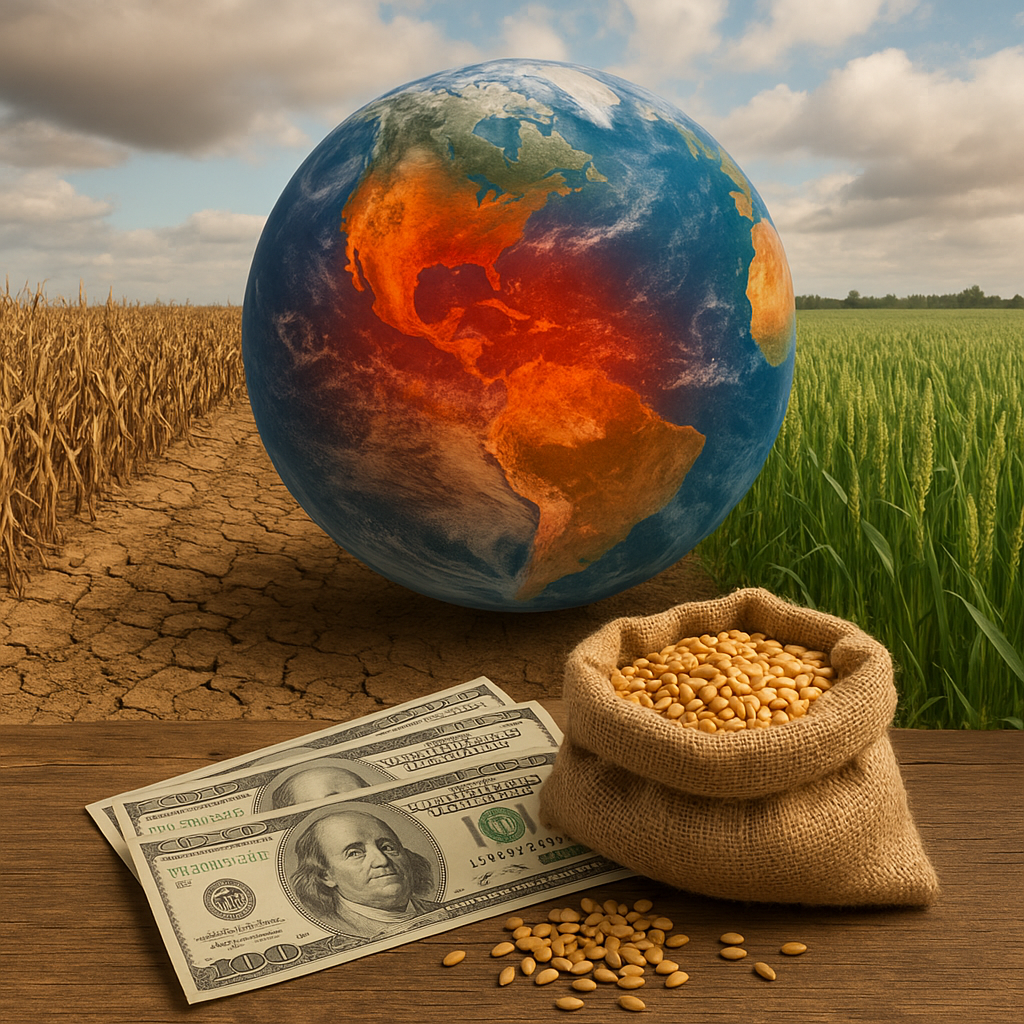
Geopolitical tensions do not occur in a vacuum. Climate change, resource scarcity and shifting dietary patterns amplify the consequences of trade interruptions. Droughts or extreme weather events that coincide with political disruptions compound supply shortfalls and intensify market volatility.
- Climate-driven production shocks can coincide with political barriers, creating compounded crises.
- Competition for inputs such as fertilizers and energy can heighten sensitivity to trade interruptions, since many agricultural inputs move through the same logistical channels as grains.
- Urbanization and changing consumption patterns alter the geographic distribution of demand, making smooth trade flows more critical.
Addressing these intertwined challenges requires policies that are both cross-sectoral and anticipatory: early warning systems, coordinated contingency plans, and investments in resilient agricultural systems.
Practical recommendations for stakeholders
Policymakers, traders, and producers can adopt specific measures to reduce vulnerability and enhance adaptability in a geopolitically charged environment. Some practical steps include:
- For governments: build strategic stockpiles, diversify import sources, and promote regional trade agreements that include crisis protocols.
- For private firms: expand supplier networks, invest in multimodal logistics, and use financial hedging to manage price risk.
- For international organizations: facilitate dialogue to keep humanitarian export corridors open and support data-sharing platforms that improve transparency.
Ultimately, the intersection of politics and agriculture demands flexible strategies that balance immediate market functioning with long-term investments in robustness. Stakeholders who anticipate disruption and cultivate adaptive capacity are better positioned to weather the inevitable cycles of geopolitical tension and maintain stable food systems.