The intersection of agriculture and international politics has become a defining feature of contemporary commodity markets. This article examines how shifting alliances, conflicts, and state policies influence global grain supply and demand, reshaping price formation and creating ripple effects across food systems. Drawing on historical precedents, recent crises, and market mechanics, the following sections explore drivers, transmission channels, real-world examples, and responses by producers, traders, and policymakers.
Geopolitical drivers affecting grain markets
Several strategic forces in world affairs directly affect the availability and cost of staple crops. At the center of these forces are long-term trends in geopolitics such as changing trade blocs, regional conflicts, and rising protectionism. Short-term shocks — military conflict, sanctions, abrupt policy shifts — also play a large role in altering expectations about supply. The agricultural sector is particularly sensitive because grains like wheat, corn, and barley are both basic food staples and key industrial inputs (for feed, biofuels, and processing), so disruptions can rapidly transmit through multiple economic layers.
Key geopolitical drivers include:
- Armed conflicts in major exporting regions that disrupt harvests, export logistics, and storage.
- Economic sanctions or export controls that restrict movement of commodities, fertilizers, or shipping services.
- Diplomatic rifts leading to sudden trade embargoes or import bans.
- Strategic national policies aimed at securing food security — stockpiling, price supports, or export restrictions.
- Geostrategic competition over critical maritime routes, ports, and chokepoints.
These drivers often interact with other stresses — extreme weather, pest outbreaks, or energy price spikes — amplifying market volatility. For example, energy price increases raise production and transport costs, while geopolitical moves that restrict fertilizer exports raise input prices and lower yields elsewhere.
Transmission mechanisms: how tensions move from politics to prices
Understanding the channels through which geopolitical events influence grain prices helps explain market reactions and potential policy levers. Several mechanisms transmit shocks:
Physical disruption of supply
When ports, railways, or road networks in exporting countries are damaged or closed, actual shipments fall. Storage facilities can be destroyed and harvests remain trapped, reducing effective global supply even if planted area remains unchanged. Such bottlenecks create immediate scarcity in destination markets.
Trade policy responses
Governments often react to domestic price changes with measures that further impact international flows. Export bans, quota tightening, or higher export duties intended to protect domestic consumers depress global availability and push markets upward. Conversely, emergency export liberalization in surplus countries can temporarily relieve pressure but may undermine longer-term price signals that guide production.
Financial market channels and expectations
Futures contracts, options, and speculative positions amplify price responses to geopolitical news. Market participants price in risk and uncertainty; even rumors or diplomatic posturing can lead to rapid re-pricing. Hedging activity by importers and exporters also affects spot and forward prices across different maturities.
Logistics, insurance, and shipping costs
Heightened risk increases freight rates and maritime insurance premiums. Ships may avoid risky passages or ports, lengthening transit times and adding costs. When shipping capacity tightens, smaller or remote markets may see supply interruptions first. These higher transport and insurance costs are passed along the supply chain, increasing delivered grain costs for consumers.
Input markets and secondary effects
Sanctions or export restrictions on fertilizer, pesticides, or fuel raise production costs globally. When major fertilizer producers curtail exports for geopolitical reasons, it can reduce yields on the next planting cycle, creating medium-term upward pressure on grain prices. Additionally, currency volatility in producer countries can influence local producer decisions to sell or hold stocks, impacting export volumes.
Case studies: recent geopolitical episodes and grain market impacts
Historical and contemporary events provide concrete examples of the dynamics described. Three notable episodes illustrate how different geopolitical configurations generate unique market outcomes.
Black Sea conflicts and the global wheat market
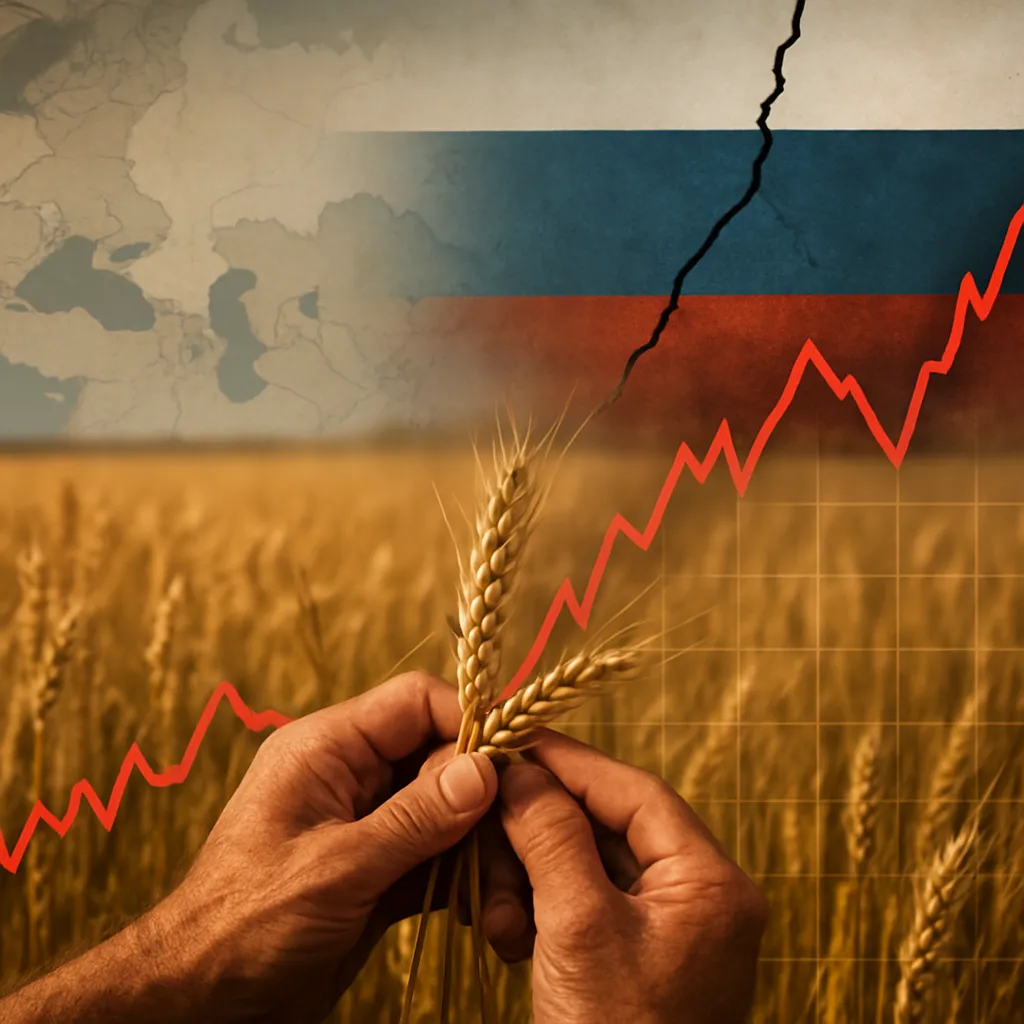
The Black Sea region is a critical source of wheat, barley, corn, and sunflower oil. Conflicts there have repeatedly demonstrated how regional instability elevates global prices. Disruptions to shipping lanes, port operations, and grain elevators in major exporter countries create instant supply shortfalls on international markets. Even when some vessels can still reach alternative ports, insurance costs and the risk of seizure or damage raise transaction costs significantly. Traders react by seeking alternative origins, often at higher prices, tightening global availability for the most vulnerable importers.
Trade tensions between major powers
Strategic competition between large economies can alter long-term trade flows. Tariffs, quotas, and investment restrictions encourage suppliers to diversify markets and sometimes accelerate regionalization of supply chains. For agriculture, this can lead to new bilateral deals that bypass established price discovery mechanisms. For example, when large importers seek to reduce reliance on particular exporters for political reasons, they may accept higher-priced or lower-quality alternatives, altering global price equilibria.
Sanctions and the fertilizer-grain linkage
Sanctions targeting energy or chemical sectors in fertilizer-producing nations have an outsized impact on crop production globally. Reduced fertilizer supplies increase per-hectare variability of yields and push farmers to adjust application rates or crop choices. This manifests with a lag: fertilizer shortages today can lead to smaller crops the next season, which in turn push grain prices higher. The linkage demonstrates why non-agricultural policy measures (e.g., sanctions) can have profound agricultural consequences.
Market structures, risk management, and policy responses
Markets, governments, and private actors deploy tools to manage the risks introduced by geopolitical volatility. Understanding these responses clarifies how stakeholders can mitigate adverse outcomes and where vulnerabilities remain.
Hedging, contracts, and diversification
Producers and traders use futures, options, and forward contracts to lock in prices and protect margins. Diversifying export and import partners reduces exposure to single points of failure. Vertical integration by large agribusinesses, including ownership of logistics assets, can shield some participants from short-term disruptions but may also centralize risk.
Strategic reserves and trade policy
Some governments maintain grain reserves to stabilize domestic markets during shocks. While useful for short-term consumer protection, reserves can reduce private storage incentives and, if mismanaged, discourage new investment in agriculture. Transparent rules for release and re-accumulation are essential to avoid exacerbating global price swings.
Investment in resilient infrastructure
Investing in diversified transport corridors, storage, and digital grain-tracking systems improves market resilience. Public-private partnerships to upgrade port capacity and cross-border rail links reduce the probability that a single disruption cascades into a global supply crisis.
International coordination and early warning
Multilateral coordination — through organizations that monitor food markets and provide humanitarian assistance — helps identify emerging shortages and coordinate responses. Early warning systems for crop failures and trade disruptions allow import-dependent countries to seek alternatives before prices spike sharply.
Adaptation by farmers, traders, and consumers
At the grassroots level, the agricultural sector adapts to geopolitical volatility in diverse ways. Farmers may change crop mixes, invest in conservation agriculture to reduce input needs, or negotiate forward contracts with processors. Traders expand networks and build inventories to buffer against transit risks. Consumers and food companies pursue supply-chain transparency and long-term sourcing agreements to limit exposure to regional shocks.
Technological innovation also plays a role: improved satellite monitoring and digital platforms enhance market transparency, allowing quicker reallocation of supplies. Advances in crop genetics and agronomy can reduce sensitivity to input shortages, while alternative protein and feed technologies can shift demand patterns, modifying price dynamics over time.
Policy considerations and forward-looking risks
Policymakers face trade-offs between protecting domestic consumers and contributing to global market stability. Export restrictions can provide temporary relief but often worsen global shortages and increase volatility. Conversely, policies that encourage open markets and investment in productivity tend to stabilize prices but may be politically difficult during crises.
Emerging risks include the potential for geopolitical competition to accelerate fragmentation of global agricultural supply chains, climate-driven redistribution of productive areas, and the interaction of cyber threats with digitalized trading and logistics platforms. A focus on enhancing transparency, diversifying trade relationships, and building robust logistics and storage capacity will help mitigate future price shocks.
Throughout these dynamics, market participants and policymakers must weigh immediate political imperatives against long-term food system resilience. The interdependence of nations in grain production and trade makes collaborative approaches to risk management not only desirable but necessary to prevent humanitarian and economic fallout in a world where geopolitical tensions are likely to remain a defining influence on agricultural markets.