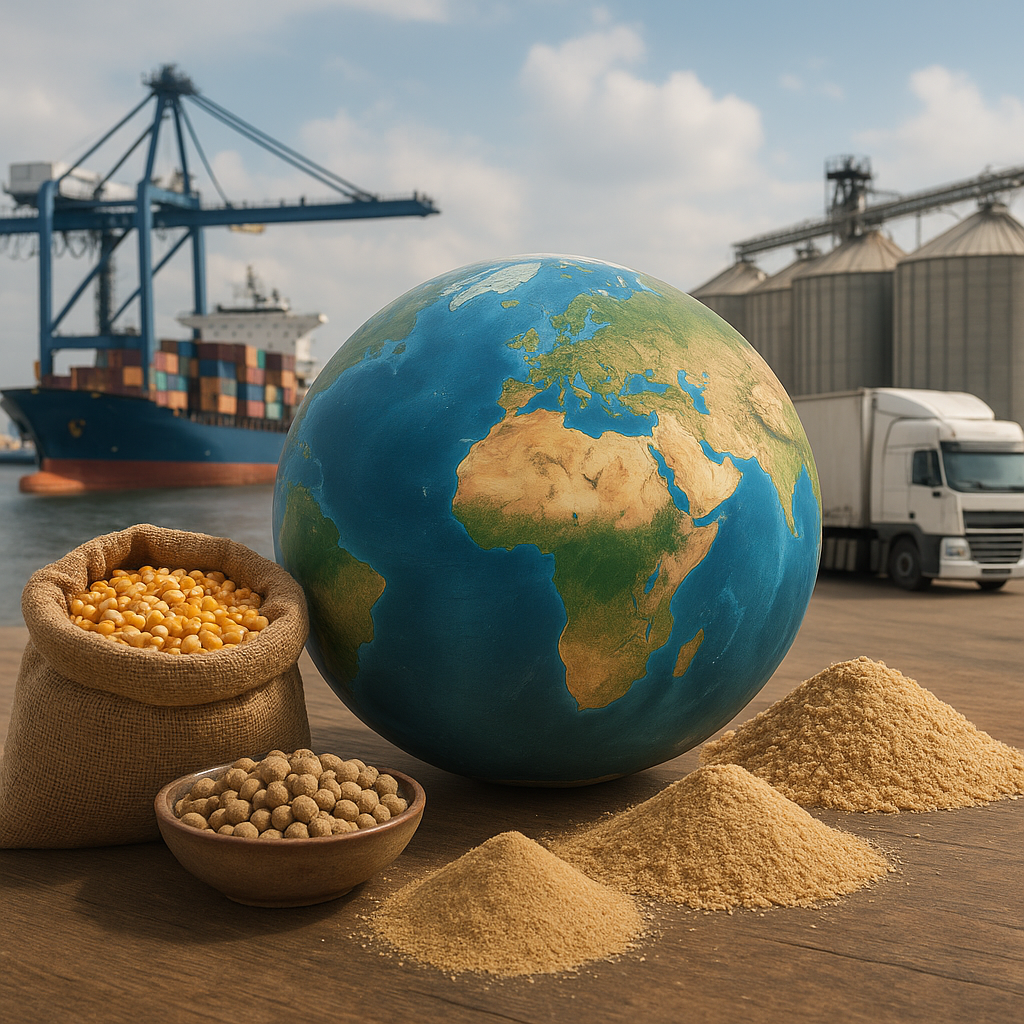
The European market for tropical fruit is undergoing a pronounced transformation as consumer tastes broaden, supply chains modernize, and trade patterns evolve. What was once a niche segment dominated by a handful of staples is now a dynamic, fast-growing category that touches on sustainability, trade policy, agricultural innovation, and retail strategy. This article examines how Europe imports, distributes and consumes tropical fruits; the implications for producers and traders across continents; and the agricultural, logistical and regulatory changes shaping the sector.
Shifts in demand and the expanding consumer palate
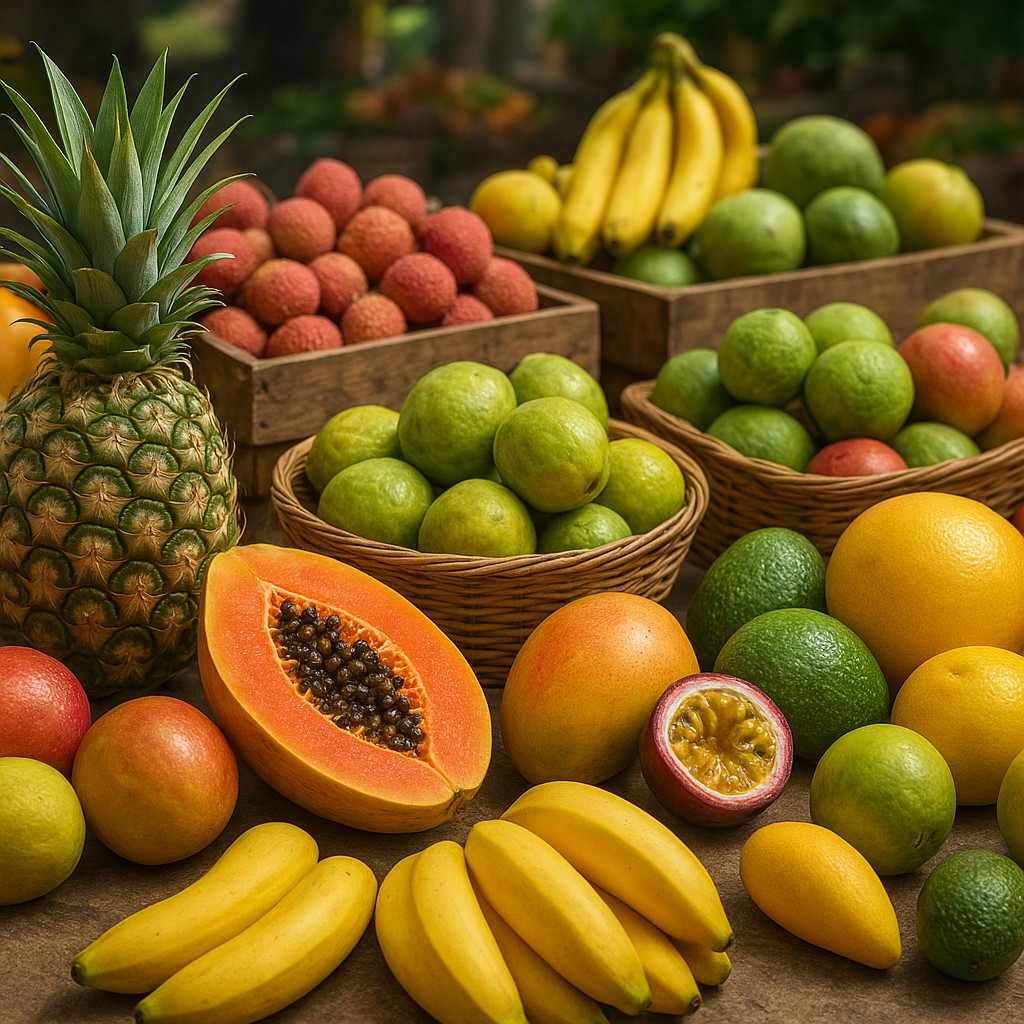
European shoppers are increasingly adventurous, seeking novel flavors, nutritious options and year‑round availability. Supermarkets and specialty retailers have expanded shelves beyond the perennial bananas and pineapples to include mangoes, avocados, papayas, passion fruit and newer entrants such as dragon fruit and cherimoya. Several forces are driving this shift:
- Health consciousness: Tropical fruits are marketed for vitamins, fiber and antioxidants.
- Urbanization: Dense city populations create concentrated demand accessible by well-developed retail networks.
- Ethnic diversification: Growing immigrant communities and culinary curiosity boost interest in diverse tropical varieties.
- Year‑round availability: Improved cold chains and global sourcing reduce the seasonality that once constrained consumption.
Retailers respond by creating segmented offers: value lines for mass markets, premium and certified products for conscious consumers, and exotic ranges in urban specialty stores. E‑commerce channels and meal‑kit providers also play a growing role, demanding consistent quality and reliable delivery windows.
Supply chains, logistics and the cold chain revolution
Delivering delicate tropical fruit across long distances requires careful management of ripeness, temperature and transit time. Innovations in packaging, controlled atmosphere shipping, and post‑harvest handling have reduced spoilage and improved shelf life. Key logistics trends include:
- Enhanced cold chain infrastructure at ports and distribution centers to protect perishables.
- Adoption of real‑time monitoring and IoT sensors to track temperature and humidity throughout transit.
- Use of ripening chambers at destination to time fruit to market demand and reduce waste.
- Shorter multimodal routes and consolidation hubs that balance speed and cost.
These changes increase the economic viability of importing a wider range of tropical fruits into Europe, while also creating pressures for greater transparency. Retailers and consumers expect traceability from farm to fork, pushing stakeholders to invest in digital recordkeeping and certification systems that validate origin, production practices and handling history.
Trade, regulation and market access
Trade flows for tropical fruits are shaped by tariffs, phytosanitary regulations and bilateral agreements. European Union (EU) policies influence which products enter duty‑free regimes, which are subject to quotas, and how sanitary and phytosanitary (SPS) measures are enforced. Points to consider:
- Tariffs and preferential agreements can increase competitiveness for producers in partner countries.
- SPS rules and maximum residue levels (MRLs) for pesticides require exporters to comply with detailed standards, affecting smallholder access.
- Traceability and documentation obligations aim to prevent pests and diseases but add compliance costs.
For exporters, navigating customs and regulatory landscapes is as important as improving yields. Importers often provide technical assistance to suppliers to meet EU quality and safety requirements, which in turn creates deeper commercial relationships and can raise farm‑level incomes when managed equitably.
Impacts on producers and rural economies
Tropical fruit demand offers both opportunities and risks for producers in Latin America, Africa, and parts of Asia. For many smallholders, access to European markets means higher incomes and new investment in agricultural practices. Yet the benefits are uneven:
- Large integrated farms and exporters are often best positioned to meet volume, consistency and certification demands.
- Smallholders may face barriers related to post‑harvest losses, financing, and meeting SPS or retailer standards.
- Contract farming and outgrower schemes can provide market access but vary in fairness and risk allocation.
Development programs and private sector initiatives that prioritize capacity building—such as training on good agricultural practices, cooperative formation, and access to affordable cold storage—can help small producers capture more value. Certification schemes like Fairtrade and organic labels can command premiums in European markets, but they also require investments and long certification timelines.
Environmental considerations and the sustainability imperative
As tropical fruit trade expands, environmental concerns take center stage. Issues include land‑use change, water use, fertilizer run‑off, and greenhouse gas emissions from long‑distance transport. European buyers and policymakers increasingly demand sustainable sourcing pathways:
- Deforestation risk associated with expanding plantations prompts strict due diligence and sourcing policies.
- Water stress in producing regions can create social and ecological tensions.
- Carbon footprints from air freighting of high‑value fruits are scrutinized, encouraging sea freight or carbon offsetting strategies.
Retailers often develop sourcing codes and supplier scorecards that measure environmental performance. Investments in agroforestry, integrated pest management and regenerative practices can reduce impacts while improving resilience. Supply chain resilience now means balancing productivity with ecological stewardship to preserve long‑term production capacity.
Market structure, pricing and risk management
Price formation for tropical fruits is influenced by production cycles, weather events, supply chain disruptions, and consumer trends. Unlike major cereals, most tropical fruits are not traded on formal futures markets, so market participants use a mix of strategies to manage risk:
- Short‑term contracts and forward buying by retailers to lock in supply and price.
- Vertical integration, where buyers invest in production or supplier companies to secure volumes.
- Diversification of sourcing regions to spread climatic and geopolitical risk.
Climate variability—cyclones, droughts and unseasonal rains—introduces yield volatility and localized price spikes. Insurance products for crop and post‑harvest loss are slowly expanding, but affordability remains a constraint for many producers. Digital marketplaces and better market intelligence tools help align supply and demand more predictably and can reduce both waste and price swings.
Innovation, research and the future of production in Europe
While Europe remains a major importer, there is growing interest in cultivating tropical and subtropical species closer to home, particularly in southern Europe and controlled environment agriculture (CEA) systems. Spain, Portugal and parts of Italy have seen expansions in avocado and banana substitutes under protected cultivation. Technological trends include:
- Protected cultivation (greenhouses, high tunnels) enabling marginal climates to host sensitive crops.
- Breeding programs for varieties adapted to cooler or drier conditions, or with improved shelf life.
- Urban and vertical farming experimenting with value‑added tropical varieties for niche markets.
These developments complement global trade rather than replace it entirely. Local production can meet seasonal demand and reduce carbon intensity for some supply chains, while imports will continue to supply diversity and scale.
Business models and opportunities for investment
As the market for tropical fruit expands, several business models show promise:
- Aggregator and logistics platforms that consolidate smallholder output and provide compliance services.
- Value‑added processing, producing frozen, dried or ready‑to‑eat products that extend shelf life and open new channels.
- Sustainability‑branded lines that attract premium consumers and institutional buyers.
- Technology providers offering cold chain solutions, traceability platforms and precision agriculture tools.
Investors and entrepreneurs who understand the complexity of agricultural value chains, and who can build partnerships between producers, finance providers and off‑takers, are best positioned to capitalize on growing European demand. Public‑private collaboration is often necessary to address infrastructure gaps and to support smallholder inclusion.
Conclusions and strategic considerations for stakeholders
Europe’s evolving appetite for tropical fruits presents a multi‑faceted story: expanding consumer demand; technological and logistical advances enabling reliable supply; regulatory frameworks that raise quality and safety expectations; and sustainability pressures that reshape sourcing decisions. Stakeholders across the chain—from growers in producing countries to European retailers and policymakers—must combine attention to traceability, investment in resilient supply chains, and commitment to equitable partnerships with smallholders to ensure the sector’s long‑term viability. Strategic moves now—whether in cold chain upgrades, certification, or diversified sourcing—will define who captures the most value in this rapidly changing market.