The global agricultural landscape is constantly reshaped by shifting consumption patterns, technological progress and evolving policy frameworks. This article examines the economics of egg production and the forces driving changes in consumer demand, linking farm-level decisions to broader market outcomes. By exploring cost structures, supply dynamics, and emerging trends, the analysis highlights how producers, processors and retailers respond to pressures such as input price swings, animal health threats and changing consumer preferences. The goal is to provide a practical overview useful to stakeholders across the value chain.
Market dynamics: consumption patterns and price signals
Eggs occupy a unique position in food markets: they are both a staple protein source and a versatile ingredient for manufacturing. Global per capita consumption varies widely, driven by income levels, culinary traditions and demographic trends. In many higher-income countries, growth in egg consumption is slowing or shifting toward niche segments, while in developing markets rising incomes support increased intake.
Understanding demand requires attention to price elasticity. Eggs tend to have relatively inelastic short-run demand — modest price changes do not immediately alter consumption dramatically — but long-run elasticity can be higher as consumers adjust diets or substitute with alternative proteins. Retail pricing, promotional activity and seasonality (e.g., holiday demand) are important price signals that transmit back to producers and processors.
Several structural trends alter the demand profile. First, health and nutrition discourse shapes perceptions: increased interest in high-quality protein, omega-3 enriched products and egg-derived functional foods can elevate demand for premium categories. Second, ethical and environmental concerns push segments of consumers toward products labeled as free-range, organic or welfare-certified. Third, convenience-led lifestyles foster demand for processed egg products such as liquid pasteurized eggs and ready-to-use bakery mixes.
Supply-side economics: costs, technologies and resilience
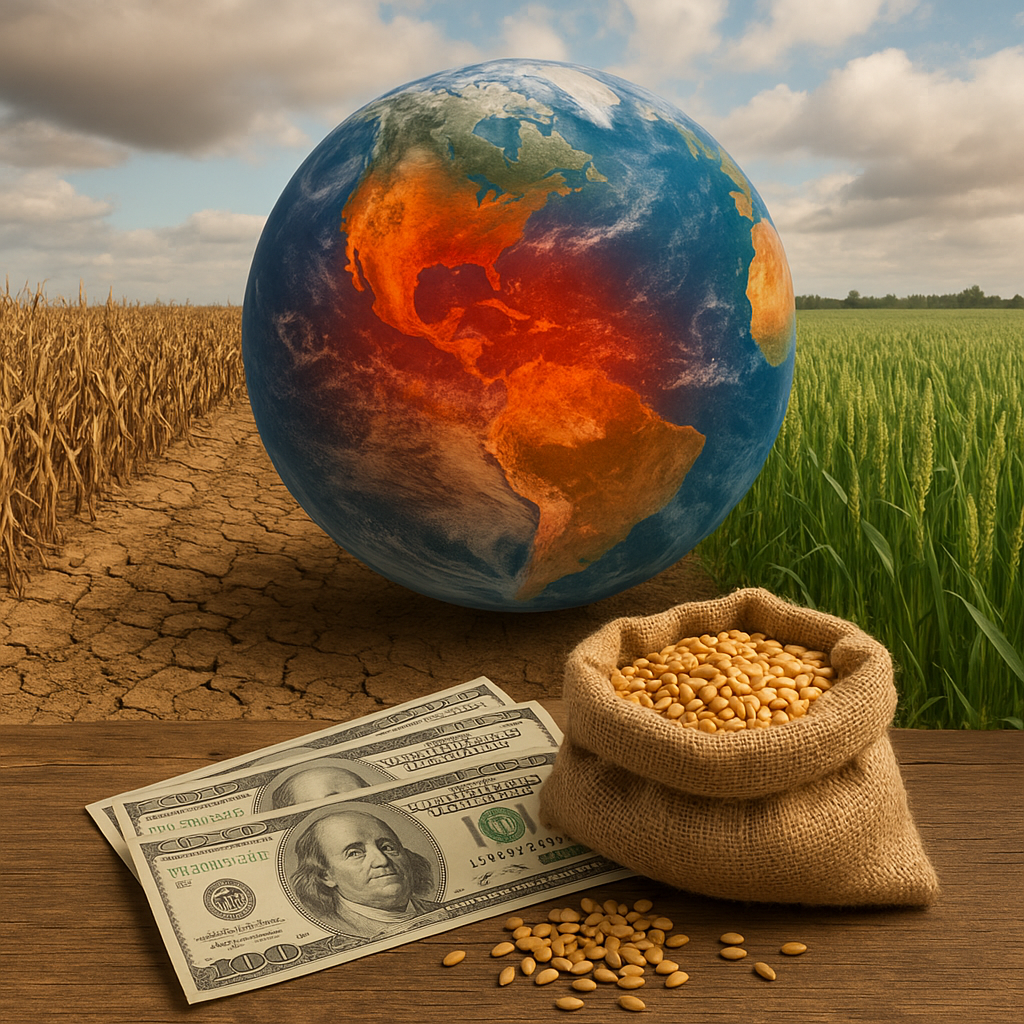
At the farm level, the economics of egg production hinge on fixed and variable costs. Fixed costs include housing, equipment and capital investments in climate control or manure management systems. Variable costs are dominated by feed, which typically represents the largest share of production expense, and by energy and labor. Feed prices are influenced by grain markets, weather variability and global commodity flows, creating exposure to price volatility.
Biosecurity and disease management are critical supply-side considerations. Outbreaks such as avian influenza can trigger mass culling, disrupt trade and cause sharp supply contractions. Investments in biosecurity—from controlled access and sanitation protocols to vaccination strategies—reduce risk but raise operating costs. These investments are increasingly viewed as essential insurance against catastrophic losses.
Technological adoption changes the cost curve. Automation in layer houses—automated feeding, egg collection and environmental control—raises capital intensity but lowers per-unit labor costs and improves consistency. Precision farming tools (sensors, data analytics) enhance performance monitoring and mortality reduction. At the processing level, pasteurization, packaging innovations and cold chain improvements expand market reach and reduce post-harvest losses.
Scale, integration and market structure
Economies of scale and vertical integration shape competitiveness. Larger operations can spread fixed costs and negotiate better input contracts, while integration across hatcheries, rearing farms and processing facilities stabilizes supply and captures margin. However, consolidation raises concerns about market concentration and bargaining power along the supply chain, influencing price formation for both producers and consumers.
Markets, policy and external shocks
Regulatory frameworks affect production practices and costs. Animal welfare standards, housing mandates, environmental regulations (e.g., manure management) and food safety rules require compliance investments. Policies that ban certain housing systems or require enriched cages increase capital needs and may reduce flock density, raising unit costs for producers who must adjust to new standards.
Trade policies and international market linkages influence price transmission. Exports and imports of feed grains and processed egg products can buffer local shortages but also expose domestic producers to global price swings. Tariffs, sanitary restrictions and certification requirements alter trade flows and the economics of scale for exporters.
External shocks — pandemics, geopolitical events and climate extremes — have demonstrated the fragility of supply chains. Labor shortages, transport disruptions and sudden shifts in demand (e.g., closure of foodservice channels) require adaptive responses such as re-routing supplies from foodservice to retail packaging or adjusting flock sizes. Building resilience often involves diversification of sales channels and contractual arrangements that share risk across the chain.
Price formation, contracts and risk management
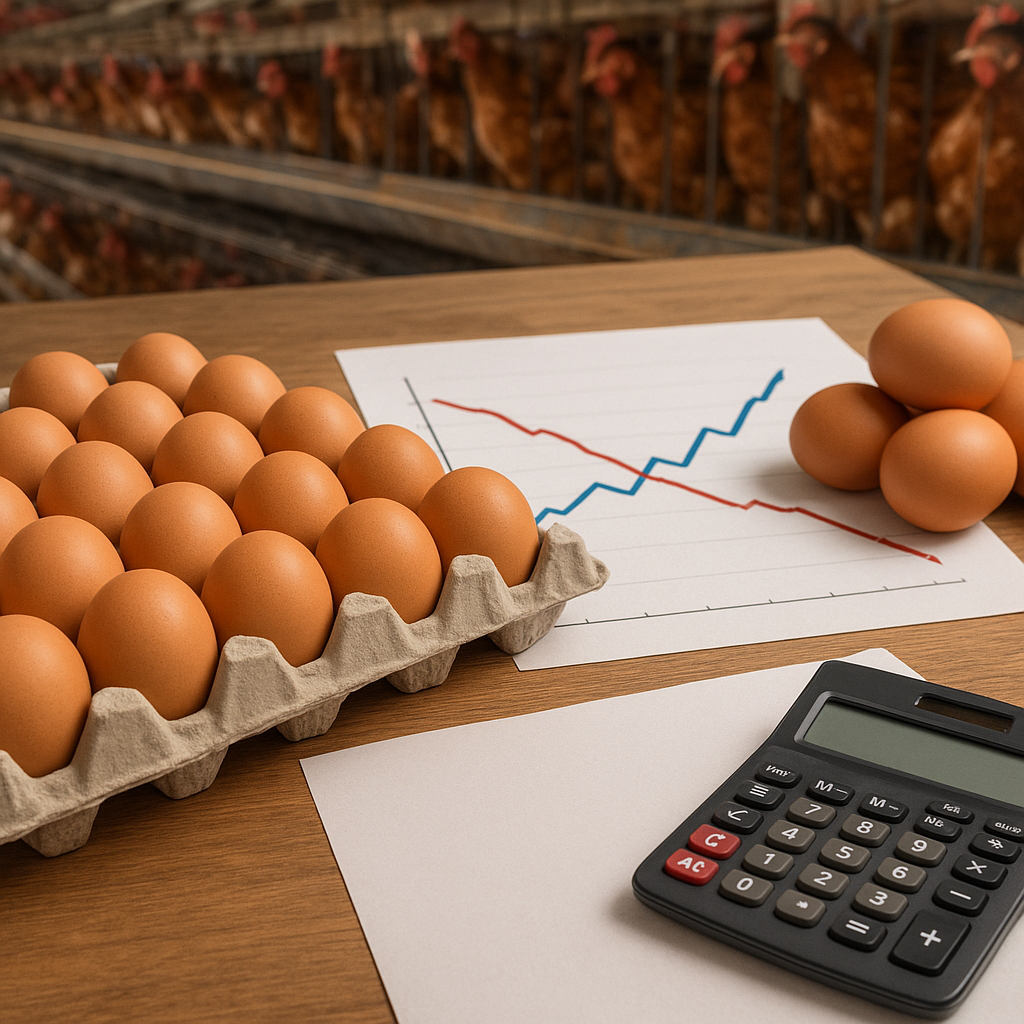
Egg prices reflect an interplay between production costs, inventory levels and retail margins. Because eggs are perishable, storage options are limited, intensifying the importance of short-term supply management and rapid market signals. Spot markets, forward contracts and integrated supply agreements are commonly used tools for risk management.
- Spot pricing allows producers to sell at prevailing market prices but exposes them to short-term swings.
- Forward contracts provide price certainty and help coordinate production planning between farms and processors.
- Vertical contracts and integration can stabilize supply and align incentives for quality and biosecurity investment.
Risk management strategies include feed hedging, insurance against disease outbreaks, and diversified product portfolios (table eggs, processed eggs, specialty segments). Value addition through branding, quality certification and traceability systems can command premiums that compensate for higher production costs.
Sustainability, innovation and market evolution
Sustainability is reshaping both supply and demand. Consumers and regulators increasingly evaluate environmental footprints — greenhouse gas emissions, land use, water consumption — prompting producers to adopt measures such as feed efficiency improvements, renewable energy installations and manure-to-energy systems. These investments can reduce long-term operating costs while enhancing market access for environmentally conscious buyers.
Innovation extends to feed formulation (e.g., precision nutrition, alternative protein sources), breeding for improved feed conversion and disease resistance, and packaging that extends shelf life and reduces waste. Processing innovations enable the creation of higher-margin products such as liquid eggs, specialty blends enriched with nutrients, and on-the-go formats aligned with modern consumption habits.
Strategic adaptation will be crucial. Producers that position themselves along niches — organic, welfare-certified, functional eggs — can capture premium markets, though these segments may remain relatively small compared to commodity volumes. Conversely, commodity producers who optimize cost structures and invest in supply chain reliability will remain essential to meeting baseline protein needs.
Practical implications for stakeholders
- Producers: prioritize feed efficiency, biosecurity and selective adoption of automation to improve margins while managing capital risk.
- Processors and retailers: invest in flexible packaging capabilities and diversified sourcing to handle demand shifts between foodservice and retail channels.
- Policy makers: balance animal welfare and environmental goals with support mechanisms (e.g., transition financing, technical extension) to avoid undue market shocks.
- Investors: evaluate the trade-off between capital intensity of modernized systems and the stable demand profile of eggs as a staple protein.
The economics of egg production and the changing patterns of demand illustrate the complex interplay between consumer behavior, production technology and policy. Critical success factors include effective risk management, targeted innovation and the ability to align production with evolving market signals. As the sector navigates challenges such as input volatility and disease risk, stakeholders who combine operational efficiency with responsiveness to consumer preferences and regulatory trends will be best placed to capture value in future markets.
Across the value chain, cooperation, transparency and investment in resilience are likely to define sustainable competitiveness. Producers who proactively engage with buyers on certification, traceability and quality can unlock premiums, while supply chain partners who coordinate on forecasting and logistics can reduce waste. The combination of traditional agriculture economics and modern agribusiness practices underscores the continuing relevance of eggs as an accessible, adaptable and economically significant protein source.