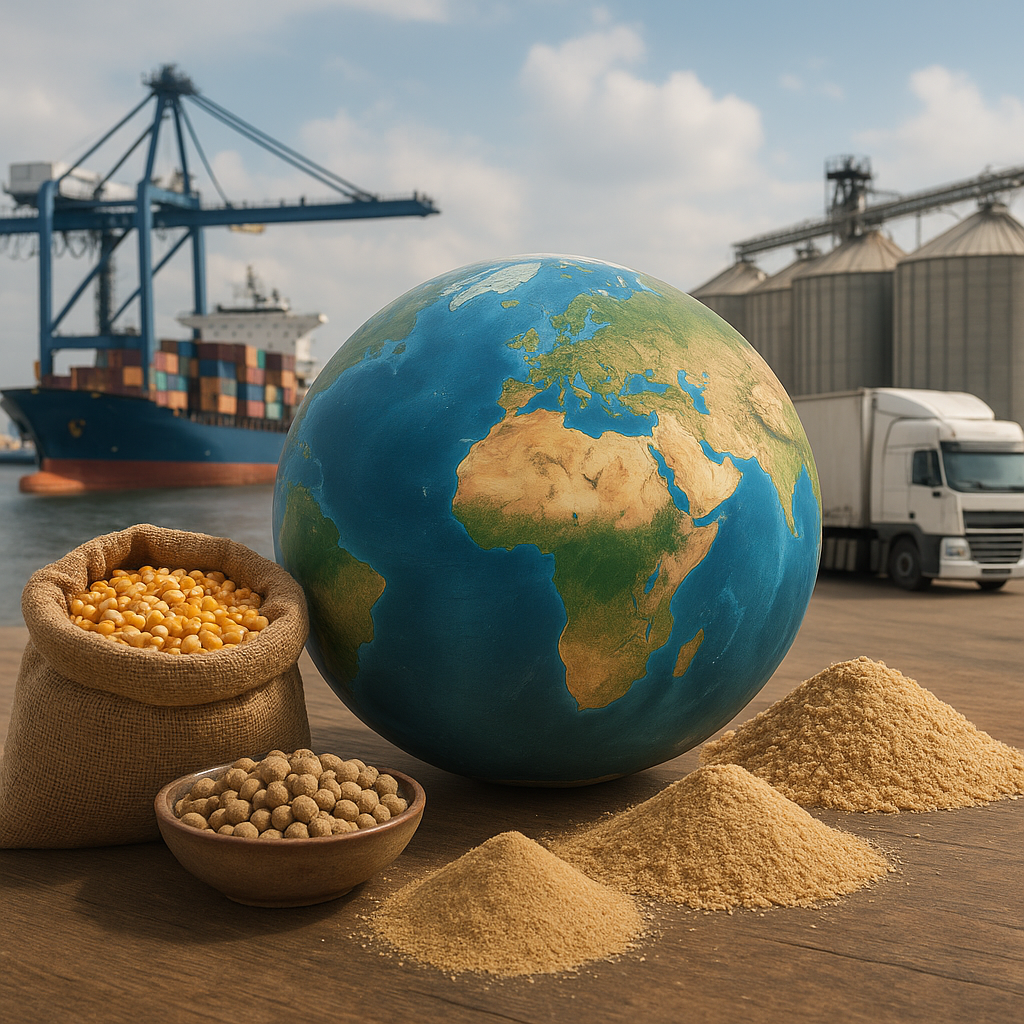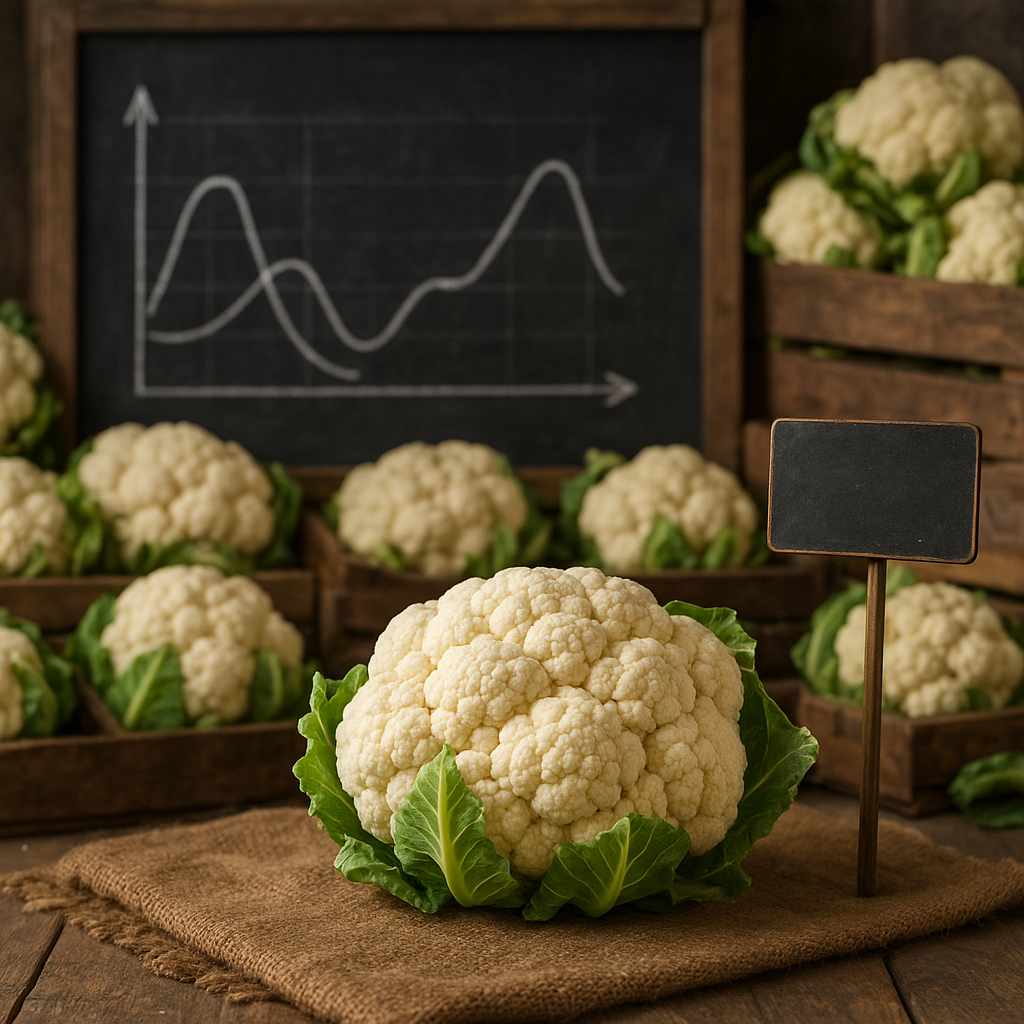
The global market for cauliflower is shaped by a complex web of agronomic, commercial and logistical factors that determine availability and price at every stage from farm gate to consumer. Understanding these interactions helps growers, traders and policy makers anticipate shifts in supply and identify opportunities to stabilize returns. This article examines how production cycles, regional comparative advantages and downstream channels interact to influence cauliflower markets, with attention to the drivers of supply and pricing, the role of cold chains and trade, and measures that can improve resilience and sustainability in the value chain.
Market dynamics and seasonality
Seasonality is a defining characteristic of vegetable markets, and cauliflower is no exception. Crop calendars vary by latitude and by production system: temperate regions often have concentrated harvest windows in spring and autumn, while subtropical and tropical regions can supply year-round through staggered plantings and greenhouse production. These patterns create recurring cycles of abundance and scarcity that feed through to wholesale and retail prices.
Key drivers of seasonal price movements
- Weather and growing conditions: Temperature, rainfall and the timing of frosts determine planting dates, growth rates and harvest quality. Unexpected cold snaps or heat waves can depress yield and push prices higher.
- Planting density and varietal choices: High-yielding cultivars and planted area determine volume available at peak times. Shifts to varieties with different maturity windows can smooth supply but may require different inputs or marketing approaches.
- Storage and postharvest handling: Cauliflower has limited storability compared with root crops. Effective cold chain management reduces waste and helps spread supply across weeks, attenuating extreme price swings.
- Market entry and exit of producers: Profitability in a given season influences farmer decisions for the next, creating feedback loops. High prices attract more plantings, which eventually increase supply and lower prices, forming a classic supply cycle.
Demand-side factors also exhibit seasonality. Holiday periods, dietary trends and processing demand (for frozen or prepared vegetables) can temporarily lift demand independent of production cycles. Retail promotions and substitutions with other brassicas influence how price changes are transmitted to end consumers.
Production systems, agronomy and supply cycles
From a production standpoint, cauliflower thrives on well-drained soils, consistent moisture and moderate temperatures. The crop’s sensitivity to stress—heat can cause buttoning and poor head formation; cold can injure tissue—means agronomic management is closely tied to market outcomes. Growers face trade-offs between maximizing short-term volume and investing in practices that improve uniformity and postharvest life.
Intensification and yield management
Improving yield per hectare is often the most direct route to increasing supply, but yield gains must be balanced with quality. Key practices include:
- Improved varieties: Breeding for head size, uniform maturity and disease resistance reduces losses and eases harvest scheduling.
- Precision agronomy: Timed irrigation, nutrient management and integrated pest management reduce variability in maturity and increase marketable output.
- Protected production: Tunnel or greenhouse cultivation extends the season, enabling supply during off-peak periods and commanding premium prices.
Supply cycles and planting decisions
Farmers decide planting dates based on expected prices, input costs and risk tolerance. These individual decisions aggregate into regional supply patterns: a year with high prices at harvest tends to induce increased planting the following season (or increased use of inputs for higher yield), which may oversupply the market and depress prices. Conversely, a series of poor seasons can result in decreased area under cultivation, tighter supplies and price spikes. Understanding these cycles allows stakeholders to implement smoothing strategies, including contract farming, staggered plantings and investment in storage or processing.
Pricing, trade and logistics
Prices in cauliflower markets are determined by the interaction of local supply and demand, but international trade plays a growing role, particularly for regions that cannot easily extend their season. The economics of cross-border trade depends heavily on transport costs, perishability and the strength of supply chains.
Price formation along the chain
Wholesale and retail prices reflect farm-gate costs, handling and packing, transportation, cold storage and margins for intermediaries and retailers. Perishability intensifies the effect of disruptions—delays in transport or cold chain failures not only increase costs but may force sellers to liquidate at lower prices to avoid spoilage. Market transparency, through price reporting systems and better information flows, reduces transaction costs and allows producers to time sales more effectively.
Role of logistics and cold chains
Efficient logistics are crucial for minimizing losses and maintaining quality. Key elements include:
- Rapid postharvest cooling and maintained refrigerated transport to slow respiration and decay.
- Appropriate packaging that balances ventilation, mechanical protection and humidity control.
- Integrated distribution networks that link growers to wholesale markets, processors and export channels with minimal handling stages.
Investments in refrigerated transport and regional consolidation centers can extend market reach and allow smallholders to access higher-value markets. These investments also reduce variability in supply, which stabilizes prices.
International trade: exports and imports
Regions with complementary seasons trade cauliflower to cover domestic shortfalls. For many exporters, the value of exports depends on consistent quality and the ability to meet phytosanitary standards. On the import side, traders assess overseas supply windows and logistics costs to determine whether imported cauliflower will be price-competitive with local produce. Policy measures—tariffs, sanitary rules or export restrictions—can abruptly change flows and market prices. The interplay of exports and imports therefore adds another layer of complexity to price dynamics.
Risk management, policy and value-chain innovation
Managing volatility in cauliflower markets requires both on-farm practices and broader policy and market interventions. Stakeholders across the chain—from growers and cooperatives to processors and retailers—can adopt strategies to reduce risk and capture more value.
Farm-level and commercial risk tools
- Contract farming and forward contracts: These provide price certainty and enable planning for both producers and buyers, though they require trust and enforceable agreements.
- Crop insurance and weather-indexed products: These instruments protect against yield shocks from extreme weather, though uptake depends on cost, basis risk and administrative capacity.
- Diversification and staggered planting: Growing multiple varieties or scheduling plantings across intervals smooths harvest peaks and reduces exposure to price crashes.
Policy levers and infrastructure investment
Public policy can support more stable markets through investment in rural infrastructure—roads, cold storage, market information systems—and through targeted research and extension services that improve agronomic resilience. Regulatory clarity around trade and phytosanitary standards reduces uncertainty for exporters and importers. In some cases, temporary market interventions such as strategic cold storage release or coordinated export quotas are used to moderate acute price swings; these require transparent governance to avoid market distortions.
Innovation in processing and alternative markets
Turning fresh cauliflower into processed products (frozen florets, ready-to-cook mixes, or canned goods) creates an outlet for volumes that cannot be sold fresh during glut periods, stabilizing prices by shifting excess supply into higher-value, longer-life formats. Investment in processing facilities can be done at cooperative level or through public–private partnerships. Digital platforms that match supply with demand, enable dynamic pricing and coordinate logistics also reduce mismatches and losses.
Finally, consumer trends—growing interest in healthy diets, plant-based foods and year-round availability—shape long-term demand. Producers and traders who align production calendars, packaging and marketing with these trends are better positioned to capture premium markets. At the same time, attention to environmental impacts and resource use underpins the sector’s long-term viability: practices that enhance soil health, reduce water use and lower carbon footprints contribute to more resilient supply and align with broader market preferences for sustainability.