Introduction
Agriculture has always been a cornerstone of human civilization, providing the essential resources needed for survival and economic development. In recent years, the agricultural sector has faced numerous challenges, including climate change, technological advancements, and market volatility. One of the most pressing issues currently affecting the industry is the surge in egg prices, driven by global supply chain disruptions. This article delves into the intricacies of agriculture and agricultural price analysis, focusing on the factors contributing to the recent spike in egg prices and the broader implications for the agricultural sector.
Chapter 1: The Role of Agriculture in the Global Economy
The Importance of Agriculture
Agriculture is a vital component of the global economy, providing food, raw materials, and employment to millions of people worldwide. It is the backbone of many developing countries, where a significant portion of the population relies on farming for their livelihoods. In addition to its economic contributions, agriculture also plays a crucial role in ensuring food security and promoting sustainable development.
Challenges Facing the Agricultural Sector
Despite its importance, the agricultural sector faces numerous challenges that threaten its sustainability and productivity. Climate change, for instance, has led to unpredictable weather patterns, affecting crop yields and livestock production. Additionally, the sector is grappling with issues such as soil degradation, water scarcity, and pest infestations. These challenges necessitate the adoption of innovative farming practices and technologies to enhance productivity and resilience.
Technological Advancements in Agriculture
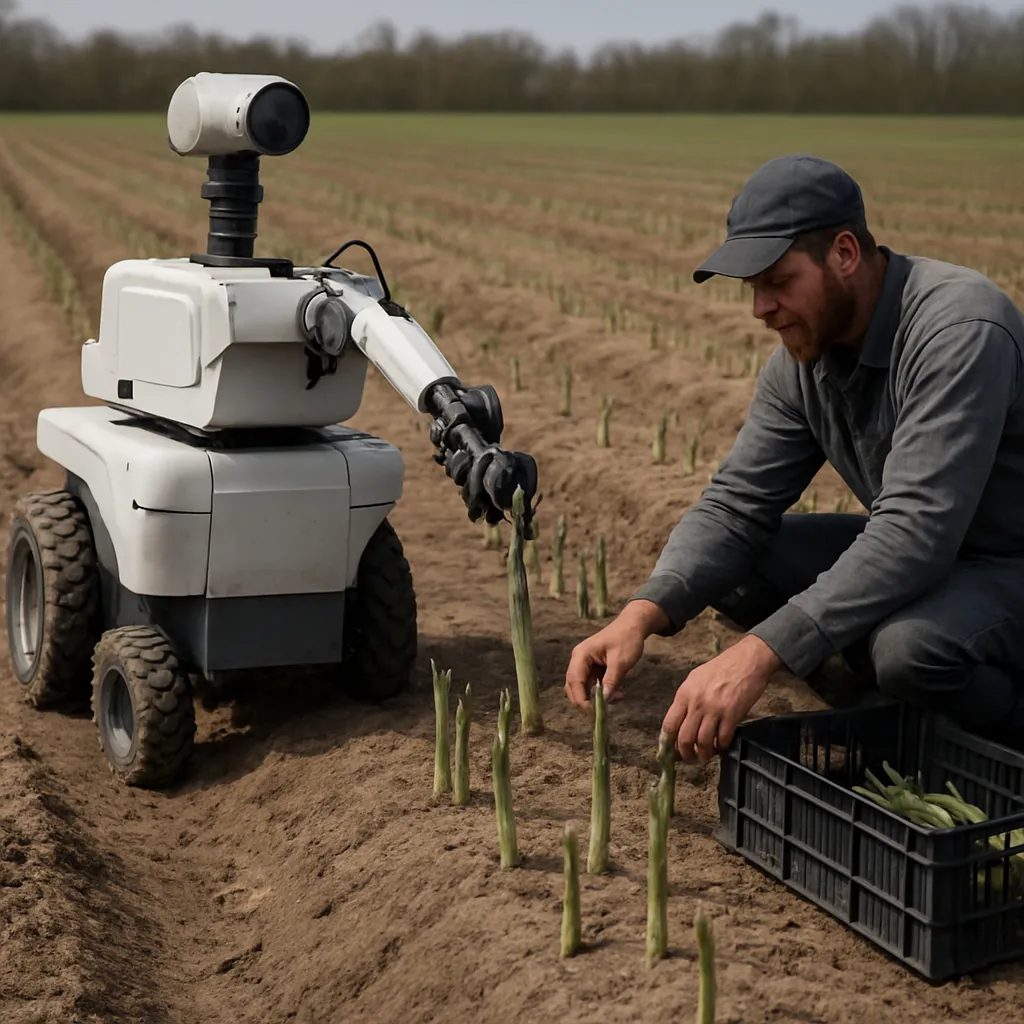
Technological advancements have revolutionized the agricultural sector, offering new tools and techniques to improve efficiency and productivity. Precision agriculture, for example, utilizes data analytics, GPS, and remote sensing technologies to optimize farming practices. Similarly, advancements in biotechnology have led to the development of genetically modified crops that are more resistant to pests and diseases. These innovations have the potential to address some of the challenges facing the sector and ensure its long-term sustainability.
Chapter 2: Agricultural Price Analysis
Understanding Agricultural Price Fluctuations
Agricultural prices are inherently volatile, influenced by a myriad of factors such as weather conditions, supply and demand dynamics, and geopolitical events. Price fluctuations can have significant implications for farmers, consumers, and policymakers. Understanding the factors driving these fluctuations is essential for effective agricultural price analysis and decision-making.
Factors Influencing Egg Prices
The recent surge in egg prices can be attributed to several factors, including supply chain disruptions, increased production costs, and changes in consumer demand. The COVID-19 pandemic, for instance, has led to labor shortages and logistical challenges, disrupting the supply chain and driving up prices. Additionally, rising feed costs and energy prices have increased production costs for egg farmers, further contributing to the price surge.
Impact of Supply Chain Disruptions
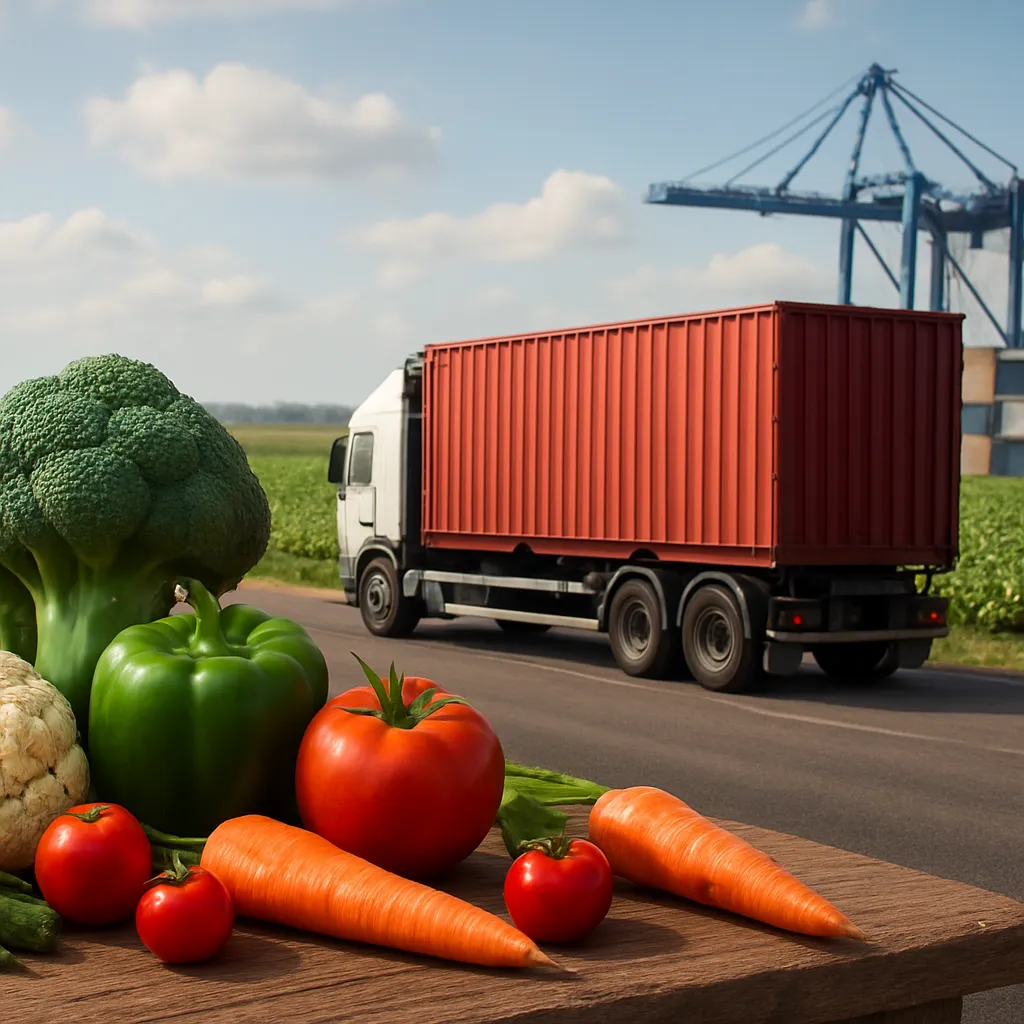
Supply chain disruptions have had a profound impact on the agricultural sector, affecting the availability and prices of various commodities, including eggs. The pandemic has exposed vulnerabilities in the global supply chain, highlighting the need for greater resilience and adaptability. Disruptions in transportation, labor shortages, and trade restrictions have all contributed to the current supply chain challenges, leading to increased prices and reduced availability of agricultural products.
Strategies for Mitigating Price Volatility
To mitigate the impact of price volatility, farmers and policymakers can adopt several strategies. Diversifying production, for instance, can help farmers reduce their reliance on a single commodity and spread risk. Additionally, investing in storage and processing facilities can help stabilize prices by reducing post-harvest losses and ensuring a steady supply of products. Policymakers can also implement measures such as price support programs and trade policies to stabilize agricultural markets and protect farmers from price shocks.
Conclusion
The surge in egg prices amid global supply chain disruptions underscores the complex and interconnected nature of the agricultural sector. Understanding the factors driving price fluctuations and adopting strategies to mitigate their impact is essential for ensuring the sustainability and resilience of the sector. As the world continues to grapple with the challenges posed by climate change, technological advancements, and market volatility, a comprehensive approach to agricultural price analysis and policy-making will be crucial for the future of agriculture.