Carrot production for the freezing industries requires a specialized approach that connects agronomy, post-harvest handling, and market strategies. Growers and processors aiming to supply frozen carrot products must balance consistent quality, cost-efficient operations, and compliance with food safety standards. This article explores the agricultural markets and practices underpinning the frozen carrot sector, focusing on varietal choice, production methods, processing technologies, logistics, and the economic and environmental factors shaping the trade.
Market dynamics and demand for frozen carrots
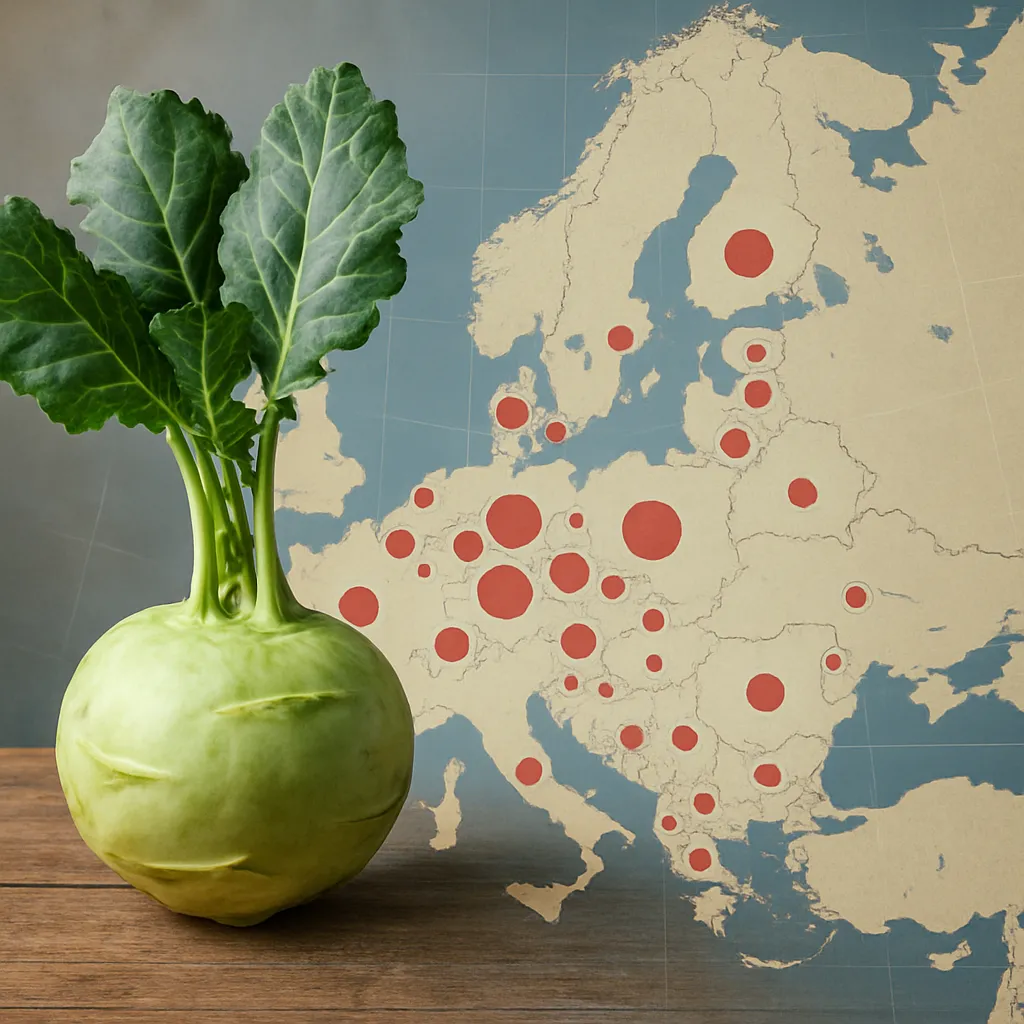
The global market for frozen vegetables has expanded steadily, driven by consumer preferences for convenience, year-round availability, and perceived nutritional retention in frozen products. Frozen carrots are an important segment within this market, supplied to retail, foodservice, and industrial users (such as ready-meal manufacturers). Key drivers include urbanization, changing dietary habits, and trade flows that link producing regions to distant markets.
Supply and demand patterns
- Seasonality: Fresh carrot production is seasonal in many regions; freezing allows producers to stabilize supply across the year and match demand peaks.
- Export markets: Many producing countries develop specialized supply chains for frozen vegetables to serve international buyers; price negotiations often depend on long-term contracts.
- Retail trends: Private-label frozen vegetables and branded convenience foods shape procurement practices and set quality benchmarks.
Market access depends on certifications, consistent quality, and traceability. Buyers increasingly demand compliance with food safety schemes and environmental criteria. Price volatility for carrots is influenced by production fluctuations, energy and input costs, and logistics constraints. For farmers selling to freezing industries, contract farming and coordinated supply programs can reduce market risk but may introduce requirements on yield, grading, and scheduling.
Production practices and varieties suited for freezing
Successful carrot production for freezing begins with selecting appropriate varieties and implementing agronomic practices that optimize uniformity, size distribution, and color retention. Varietal choice influences processing yields, texture after blanching and freezing, and resistance to mechanical damage during harvest.
Varietal selection
- Processing cultivars: Processors typically prefer cultivars bred for processing, offering consistent diameter, sweetness, and minimal secondary roots.
- Color stability: Varieties with high carotenoid content and stable pigments are valued for visual appeal in frozen products.
- Storage characteristics: Some cultivars withstand extended storage and handling better, reducing losses before processing.
Agronomic techniques
Key practices include soil preparation, nutrient management, and irrigation strategies. For freezing markets the emphasis is on producing a crop that minimizes grading losses and mechanical damage.
- Soil and fertility management: Balanced applications of nitrogen, phosphorus, and potassium, along with micronutrients, support root uniformity and yield. Over-fertilization with nitrogen can cause forked roots and affect processing quality.
- Irrigation: Consistent moisture during root bulking reduces cracking and improves shape. Drip or overhead systems are used depending on scale and water availability.
- Weed and pest control: Integrated pest management (IPM) reduces chemical residues and meets buyer standards. Mechanical weeding and targeted herbicide use can preserve root integrity.
- Planting density and sowing windows: Optimizing plant population influences average root size; synchronized planting facilitates batch harvesting for processing schedules.
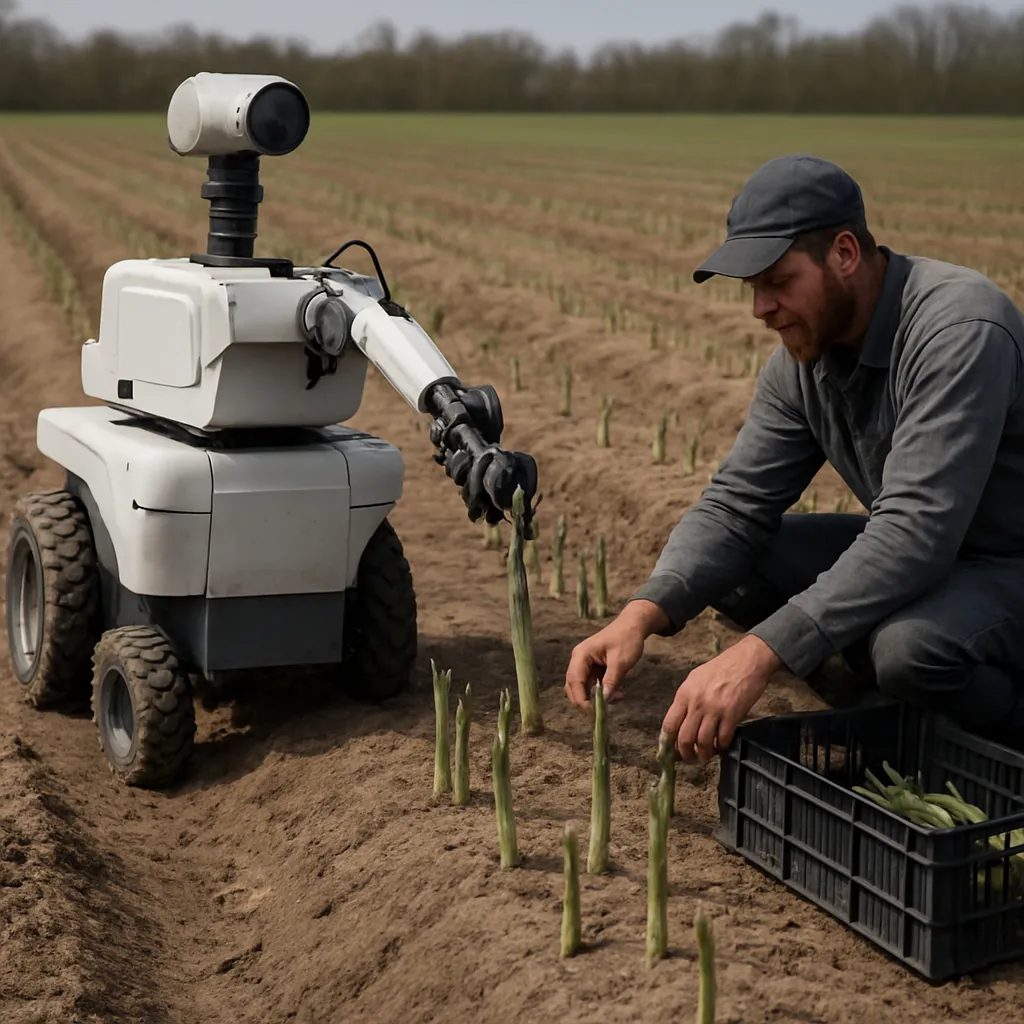
Mechanization of transplanting and harvesting can increase consistency and reduce labor dependence, but equipment selection must match soil types and root crop specifications.
Harvesting, post-harvest handling and processing technology
Once harvested, carrots destined for freezing require efficient post-harvest pathways to preserve quality and minimize losses. Time from harvest to processing, washing protocols, sorting criteria, and freezing technology are critical control points.
Harvest operations
- Timing: Harvest at optimal maturity to balance sugar content and texture. Overmature roots may become fibrous and less desirable for frozen products.
- Minimizing damage: Gentle lifting, cushioned handling systems, and rapid removal of tops reduce the incidence of bruising and microbial entry points.
- Field logistics: Coordinated transport and temporary holding areas near the field help shorten the window to processing.
Cleaning, grading and pre-processing
Cleaning and grading are major determinants of processing yield and final product uniformity.
- Washing systems: Multi-stage washers and brushes remove soil while reducing surface injury.
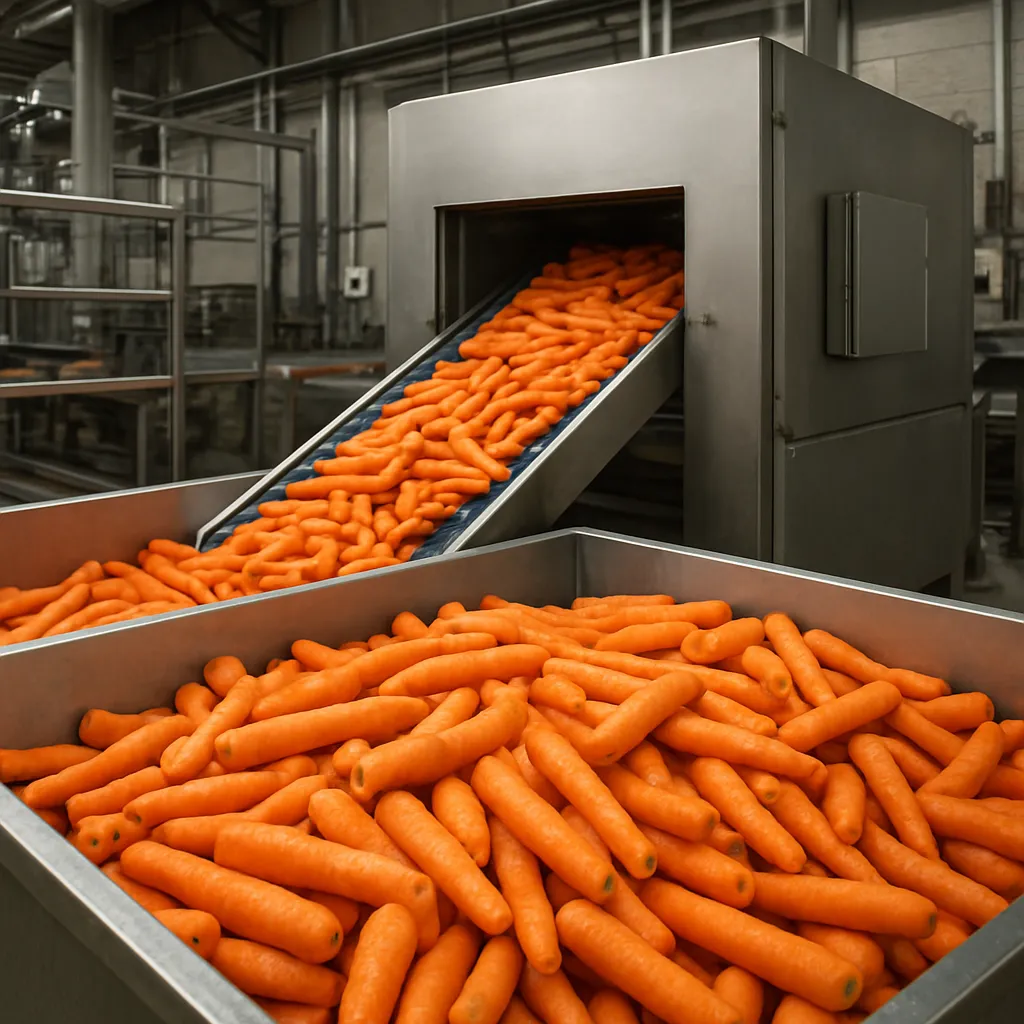
- Peeling and cutting: Depending on product specification (slices, dices, sticks), processors utilize precise cutting equipment to maintain size uniformity for even blanching and freezing.
- Sorting and quality control: Automated sorters and manual inspections detect defects, foreign matter, and size deviations. Sorting increases the proportion of marketable product and reduces downstream rework.
Thermal treatment and freezing
Blanching precedes freezing in many processes; it inactivates enzymes that would otherwise cause color and flavor deterioration. Proper control of blanching time and temperature is essential to retain vitamin content and texture.
- Blanching parameters: Optimized for particle size and cultivar; over-blanching reduces firmness and nutrients, under-blanching permits enzymatic spoilage.
- Cooling: Rapid cooling after blanching prevents further thermal degradation.
- Freezing technologies: Individual Quick Freezing (IQF) is standard for many carrot products, yielding separated frozen pieces with high surface-area freezing rates that preserve texture. Tunnel or blast freezers are used for bulk processing.
- Packaging and storage: Hygienic packaging and controlled atmosphere or temperature regimes maintain frozen shelf life. Cold chain integrity is essential to avoid recrystallization and textural loss.
Supply chain management, economics and sustainability
Economic viability for producers and processors depends on efficient supply chain coordination, cost control, and responsiveness to market requirements. Sustainability and environmental impacts are increasingly important to buyers and regulators.
Supply chain coordination
- Contracting and forecasting: Processors often use forward contracts to ensure a stable supply; accurate yield forecasting from growers reduces mismatch risks.
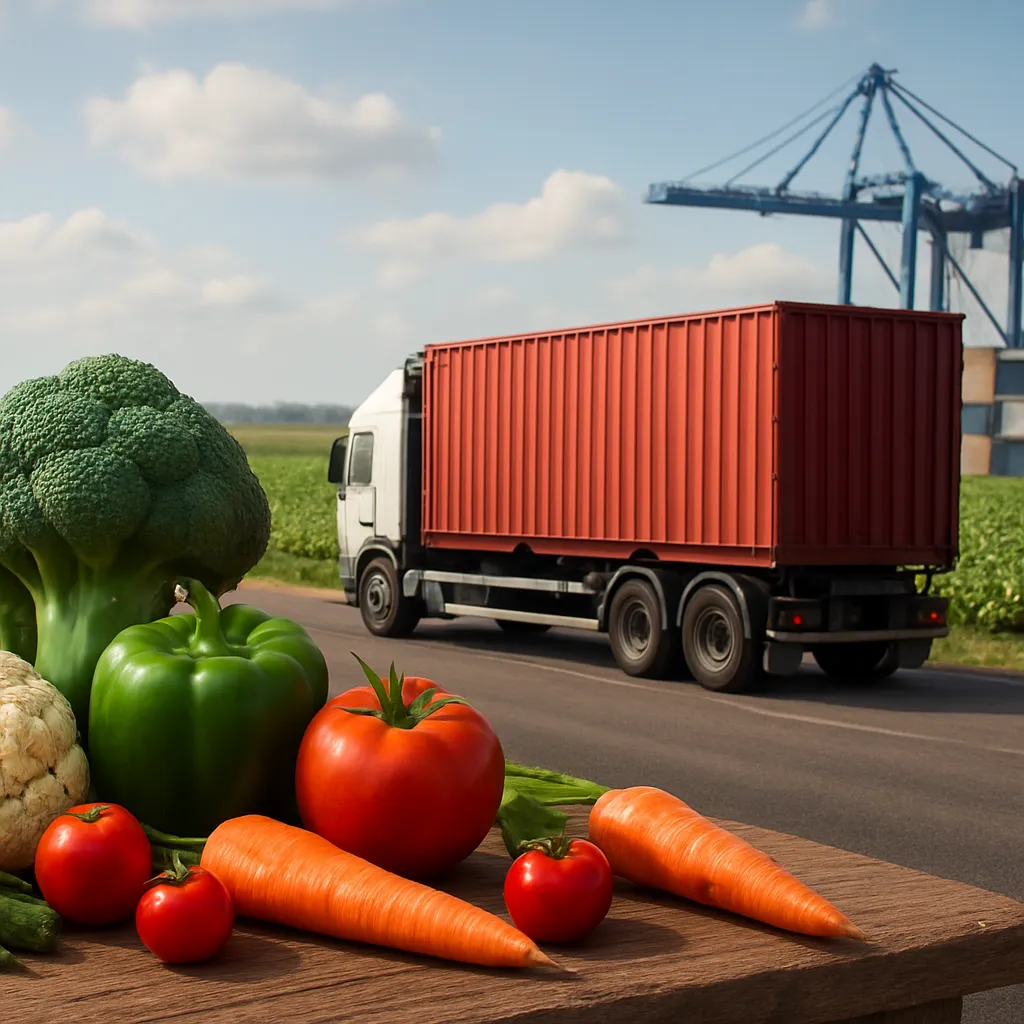
- Logistics: Temperature-controlled transport, rapid turnaround at processing facilities, and geographic proximity to end markets influence cost structures.
- Traceability: Recording field-to-factory data supports food safety audits and enables recalls if necessary.
Cost drivers and profitability
Major cost components include labor, energy (for freezing and refrigeration), transport, and input costs for cultivation. Investments in mechanization and energy-efficient freezing technology can reduce unit costs over time.
- Labor: Harvest and processing labor make up a significant share of expenses; mechanization can reduce variability but requires capital.
- Energy and utilities: Freezing is energy intensive; energy price volatility can dramatically affect margins.
- Waste and byproducts: Utilizing trimmings for animal feed, compost, or value-added products improves resource efficiency and economics.
Sustainability and regulatory considerations
Environmental and social governance is increasingly embedded in procurement criteria. Sustainable practices can open market opportunities and reduce long-term risks.
- Water management: Efficient irrigation and wastewater treatment at processing plants conserve water and prevent pollution.
- Green energy: Transitioning to renewable energy sources for freezing and processing lowers carbon footprint and exposure to fossil fuel price risk.
- Soil health and crop rotation: Maintaining soil fertility through rotations and cover crops reduces dependency on synthetic inputs and supports long-term yields.
- Social standards: Labor conditions, worker safety, and community relations affect a company’s social license to operate.
Quality assurance, food safety and certifications
Meeting stringent food safety and quality standards is essential when supplying processed frozen vegetables. Certifications and audit compliance facilitate market access and enhance consumer trust.
Critical control points
- Hygiene and sanitation: Clean facilities and equipment reduce microbiological hazards.
- Temperature control: Maintaining the cold chain from blanching through distribution prevents pathogen growth and quality loss.
- Chemical residues: Monitoring pesticide and heavy metal residues ensures compliance with importing country standards.
Certifications and standards
Common certifications include GlobalG.A.P., HACCP-based schemes, ISO food safety standards, and retailer-specific audit programs. Achieving and maintaining these standards often requires investment in training, infrastructure, and record-keeping.
Technological trends and future directions
Innovation in both agronomy and processing is reshaping the frozen carrot industry. Advances in breeding, mechanization, and freezing technology are driving gains in productivity and product quality.
- Breeding and genetics: New cultivars combining yield, shape uniformity, and stress tolerance can reduce inputs and improve processor yields.
- Precision agriculture: Sensors, satellite imagery, and data analytics enable optimized irrigation and nutrient application, improving uniformity and reducing waste.
- Energy-efficient freezing: Improvements in freezer design, cryogenic techniques, and heat recovery systems reduce energy use and operating costs.
- Automation and robotics: Automated sorting and packaging increase throughput and consistency while lowering reliance on manual labor.
Climate change poses both challenges and opportunities. Shifts in temperature and precipitation patterns may alter suitable growing regions and require adaptive agronomic practices. At the same time, investments in resilient varieties and efficient logistics can mitigate risks and create competitive advantages.
Practical recommendations for growers and processors
Stakeholders looking to participate or expand in the frozen carrot market should consider the following priorities: establish clear specifications with buyers, select appropriate varieties, invest in post-harvest handling to minimize damage, and implement robust food safety systems. Collaboration between growers, processors, and logistics providers improves supply chain reliability. Finally, monitoring market trends and adopting energy- and resource-efficient technologies can strengthen profitability and long-term sustainability.