Cucumber market seasonality and supply variability shape decisions made by growers, traders, and retailers, affecting prices, trade flows, and consumer availability. Understanding the biological rhythms of cucumber production, the logistical constraints of a perishable crop, and the market mechanisms that translate supply shocks into price movements is essential for stakeholders across the value chain. This article explores the interplay of agronomy, climate, trade, and risk management that determines how cucumber markets behave through the year.
Seasonality Patterns in Cucumber Production
Cucumbers follow clear seasonal rhythms in most open-field production systems. Planting dates, temperature windows for germination and flowering, photoperiod sensitivity, and pest pressure create predictable peaks and troughs in supply. In temperate regions, supply typically rises in late spring and summer as field-grown cucumbers come to market, while demand for fresh cucumbers persists year-round. In contrast, regions with extensive protected cultivation can smooth seasonal peaks.
Two production models dominate: open-field, where supply is tightly linked to weather and calendar, and protected cultivation such as greenhouse systems, where climate control extends growing windows and increases uniformity. Protected cultivation allows multiple cropping cycles per year and reduces exposure to frost, heavy rain, or heatwaves that would otherwise disrupt harvest schedules. However, higher capital and energy inputs are required, changing the economic calculus for growers.
Climatic and biological drivers
- Temperature thresholds determine flowering and fruit set; too low or too high temperatures reduce yield.
- Rain and humidity influence disease incidence (e.g., downy mildew, powdery mildew), creating seasonal risk spikes.
- Pest cycles (aphids, whiteflies, mites) often follow predictable patterns, requiring timed management that affects effective supply.
- Photoperiod and light intensity influence growth rates; in some latitudes growers use supplemental lighting to maintain production.
These drivers mean that, absent artificial control, cucumbers will have months of abundant supply and months of scarcity within a year. Regions complement one another through trade: northern hemisphere summer producers export within the same hemisphere and to neighboring markets, while southern hemisphere producers supply during the northern off-season.
Factors Driving Supply Variability
Beyond seasonal biology, a variety of unpredictable and structural factors cause supply variability. Weather extremes, input availability, labor constraints, shifting input prices, and policy changes can all create supply-side shocks. Because cucumbers are perishability-sensitive, even short disruptions amplify market impacts.
Weather and climate variability
Short-term weather events—late frosts, unseasonal rains, or heatwaves—can destroy young plants or reduce fruit quality, immediately reducing marketable supply. Longer-term climate trends are shifting suitability zones and increasing the frequency of extreme events, which raises production risk premia and can push growers toward more protected cultivation or irrigation investments.
Postharvest and logistics constraints
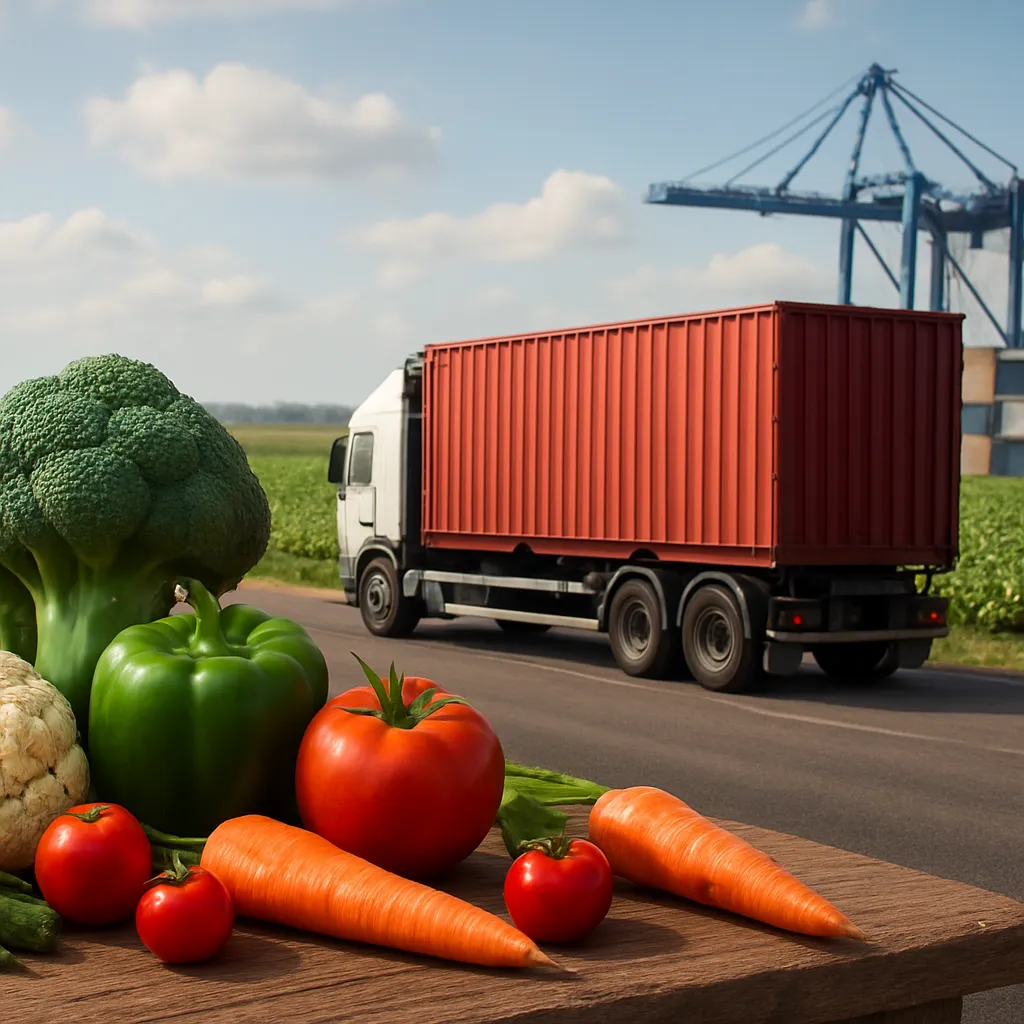
Even when harvest volumes are stable, failures in postharvest handling and logistics can constrain effective supply. Inadequate cooling, inefficient packing, or transport delays increase spoilage and reduce the quantity that reaches retail shelves. Because cucumbers have a relatively short shelf life compared to many vegetables, cold chain integrity is a major determinant of available supply in distant markets.
- Breakdowns in refrigerated transport can transform a surplus into an urgent shortage.
- Border inspections or export restrictions may delay shipments, amplifying volatility in destination markets.
- Packaging and standardization issues (size, quality grades) create segmentation that can obscure true supply conditions.
Economic and institutional drivers
Input cost fluctuations (fertilizer, energy, labor) influence planting decisions. High energy costs reduce incentives for energy-intensive greenhouse heating and lighting, leading some producers to defer planting or shift crops. Market access arrangements—such as bilateral trade agreements, sanitary regulations, or seasonal import bans—also reorder trade flows. Additionally, speculation and strategic behavior by intermediaries, including hoarding or contract renegotiation, can worsen short-term price swings.
Market Responses and Risk Management
Markets respond to supply variability through price adjustments, trade reallocation, and shifts in product offerings. Retailers may substitute other salad vegetables when cucumber supply tightens, while processors and picklers may secure supplies through contracts or vertical integration. Effective risk management combines agronomic practices, commercial instruments, and public policies.
Producer strategies
- Diversification of planting dates and varieties spreads harvest risk and smooths cash flow.
- Adoption of protected cultivation and hydroponics increases predictability and can boost quality, enabling access to premium outlets.
- Improved postharvest handling—rapid cooling, standardized packaging—reduces losses and increases deliverable supply.
- Participating in cooperatives or forward contracts stabilizes income and links production to market demand.
Market and trade mechanisms
Wholesalers and importers use multiple sourcing strategies to buffer supply shocks: diversifying origin countries, engaging multiple suppliers, and maintaining flexible logistics. Spot markets quickly reflect supply tightness via price spikes, but long-term contracts can mute that volatility for both producers and buyers. Well-functioning markets need reliable information flows—real-time production estimates, logistics status, and price signals—to allocate supply efficiently.
Advances in digital forecasting, blockchain traceability, and market intelligence platforms are making it easier to predict harvest volumes, track shipments, and match supply to demand. Accurate forecasts reduce the risk of over- or under-procurement and help align planting and harvesting with expected market windows.
Policy, Sustainability, and Long-Term Trends
Policy frameworks and sustainability objectives increasingly shape cucumber markets. Water management, pesticide regulations, and energy policy affect the cost and feasibility of production systems. Support for research into resilient varieties and integrated pest management can reduce the vulnerability of supply to climate and pest pressures.
Environmental and social considerations
- Sustainability goals push producers toward efficient water use, reduced agrochemical reliance, and lower carbon footprints from greenhouse operations.
- Labor shortages and migration patterns influence the availability of seasonal workers, which in turn affects planting and harvesting schedules.
- Fair trade and certification demands may reallocate value to compliant producers, altering competitive dynamics.
Policy instruments such as targeted subsidies for cold chain infrastructure, investment in rural roads, or support for protected cultivation can attenuate supply variability by reducing postharvest losses and enabling off-season production. Conversely, abrupt policy shifts—export restrictions during domestic shortages, temporary tariffs—can exacerbate global market volatility.
Practical Recommendations for Stakeholders
Stakeholders can adopt practical measures to reduce the negative effects of seasonality and supply variability. For producers: invest in staggered planting schedules, choose complementary varieties, and improve postharvest systems. For traders and retailers: maintain diversified sourcing, use short-term contracts to secure volumes, and invest in rapid-response logistics. For policymakers: facilitate market transparency, support infrastructure investments, and promote research on resilient production systems.
Key operational steps
- Implement modular greenhouse investments that allow gradual scaling rather than large one-time capital outlays.
- Adopt cold chain technologies and packhouse standards to extend shelf life and reduce losses during transport.
- Use forward contracting and collaborative planning with buyers to align production with demand windows, reducing waste and price swings.
- Leverage digital platforms for market intelligence and traceability, improving coordination across the value chain.
- Engage in risk-sharing arrangements—cooperatives, crop insurance, or multi-year supply agreements—to absorb shocks and encourage steady production.
By understanding the biological drivers of cucumber growth, investing in technologies and logistics that mitigate perishability risks, and fostering institutional arrangements that enhance market coordination, stakeholders can turn seasonality from a liability into a manageable feature of production. Careful attention to the interplay of agronomy, trade, and policy will help stabilize supply, reduce unnecessary price volatility, and improve outcomes for producers and consumers alike.