The plum is a small fruit with an outsized importance in many agricultural economies. This article explores the interplay between seasonal production and market forces that determine how plums move from orchard to table, the challenges producers face, and the opportunities for value addition. By looking at cultivation cycles, post-harvest systems, trade patterns and policy influences, we can better understand why the plum sector behaves as it does and what interventions can stabilize incomes and improve sustainability.
Seasonal production: biology, calendars and regional patterns
Plum trees follow a predictable biological rhythm, but that rhythm is modulated by local climate, variety selection and management practices. The timing of flowering, fruit set and ripening defines the harvest window, which in turn shapes labor needs, harvest logistics and short-term market supply. Growers who understand the nuances of frost risk, chill hours and irrigation scheduling can optimize yield and fruit quality.
Varieties and harvest timing
Different cultivars mature at different times. Early-season varieties provide fruit in late spring or early summer, while late-season cultivars extend the harvest into late summer or early autumn. This staggered ripening is a tool for smoothing farm-level cash flows if growers maintain mixed orchards or coordinate across cooperative networks. Varietal choice also affects suitability for fresh markets versus processing into prunes, jam or frozen products.
Labor and operational peaks
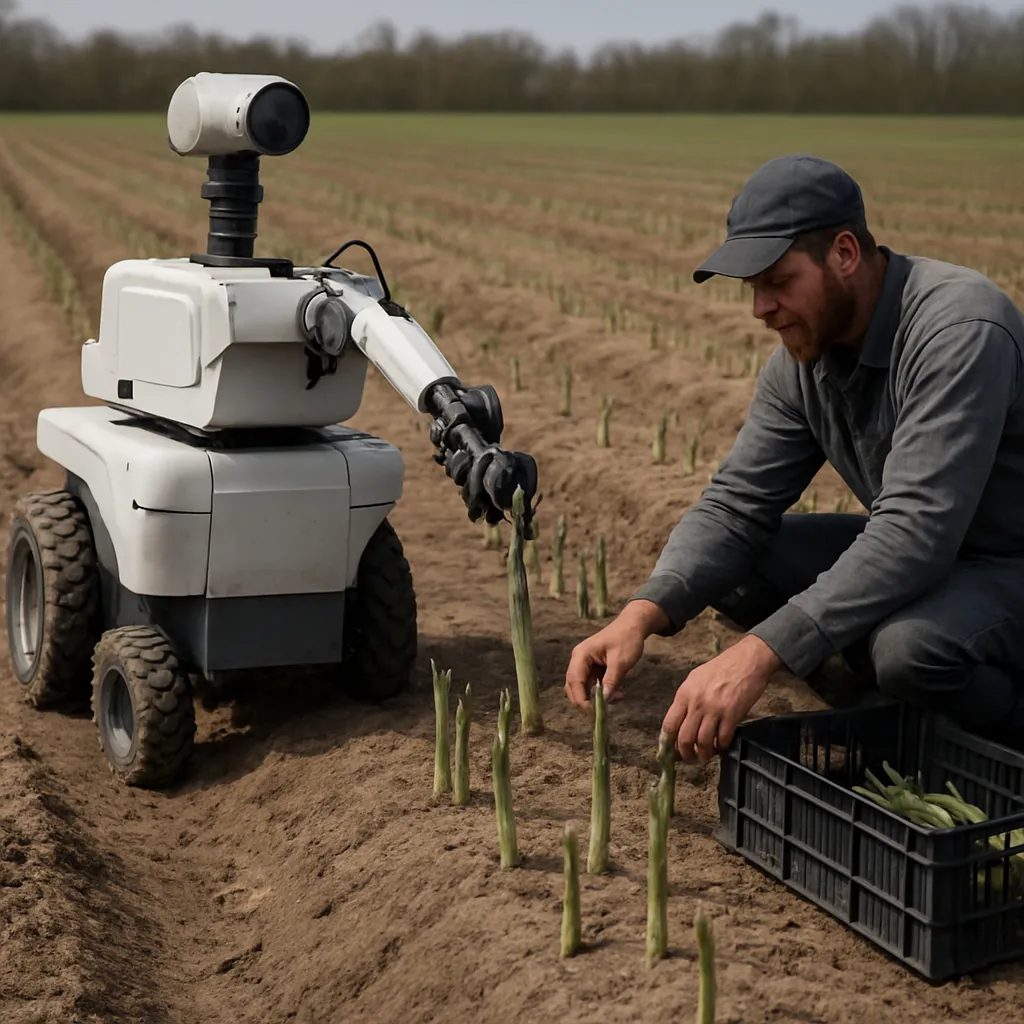
Harvesting plums is labor-intensive. Peak labor demand often exceeds local supply for a short period, creating a need for seasonal workers or mechanization. Poor planning can lead to fruit losses or quality downgrades. Investment in mechanical harvesters and sorting equipment can reduce dependence on hand labor, but requires capital and changes to orchard design. Labor shortages and rising wages are key drivers of production costs and ultimately influence farmgate markets.
Post-harvest handling, storage and value chains
Once plums are harvested, rapid handling is crucial to preserve quality. Cooling, sorting, packing and timely transport to markets determine whether plums fetch premium prices. Investments in cold chain infrastructure and good agricultural practices reduce post-harvest losses and allow producers to access distant markets.
Technologies and practices
- Pre-cooling and refrigerated transport extend shelf life and maintain firmness.
- Controlled atmosphere storage can delay ripening, smoothing supply into off-season windows.
- Standardized grading and packing increase buyer confidence and command better prices.
Where smallholders predominate, access to shared packing facilities or cooperatives can be transformative. Without adequate storage, seasonal gluts drive prices down and increase food waste.
Processing and diversification
Processing options—drying to make prunes, canning, juicing or producing purees—allow producers to capture value beyond the narrow fresh-market window. Processing absorbs surplus output during harvest peaks and markets it throughout the year, reducing exposure to spot-price swings. However, establishing reliable processing links requires contracts, quality control and sometimes public support for plant construction.
Market dynamics: price formation, trade and risk
Plum prices reflect a combination of local supply, global trade flows, consumer preferences and speculative behavior. Price formation in fresh fruit markets is often rapid, reacting to sudden changes in supply due to weather events or logistical disruptions. For producers, understanding these dynamics is essential for risk management.
Local versus export markets
Domestic fresh markets often reward appearance and immediate availability, while export markets demand strict phytosanitary standards and consistent supply. In many plum-producing regions, growers choose to specialize for either domestic fresh sales or export/processing chains. Export orientation can bring higher returns but exposes growers to currency risk and international competition.
Price volatility and hedging
Short-term gluts during harvest can depress prices dramatically. Conversely, unexpected supply shortfalls—due to frost, pests or irrigation failure—can cause price spikes. Producers and traders use contracts, forward sales and, where available, futures or options on broader fruit indices to hedge against extreme movements. Building cooperative marketing and storage capacity is a simpler, often more accessible, way for smallholders to smooth incomes.
Supply chain coordination and market institutions
Efficient plums value chains require coordination among growers, packers, transporters, processors and retailers. Information flows—about prices, demand and quality standards—are as important as physical flows of fruit. Digital marketplaces, weather services and extension programs strengthen linkages and reduce transaction costs.
Organizational solutions
- Producer organizations can consolidate volumes to meet buyer specifications and negotiate better terms.
- Contract farming aligns incentives between processors and growers, stabilizing supply and income.
- Public-private partnerships can finance infrastructure such as cold stores and testing labs.
Market institutions affecting trade—customs procedures, sanitary regulations and quality standards—shape access to lucrative destinations. Meeting export protocols often requires investment in traceability systems and consistent record keeping.
Climate variability, sustainability and policy responses
Climate change is reshuffling traditional production calendars. Altered temperature patterns affect flowering times and pest pressures, and extreme weather events increase year-to-year yield variability. Adapting to these changes requires agronomic, financial and policy responses.
Adaptation and resilience measures
- Shift to more resilient varieties and adjust planting dates to align with new climatic windows.
- Invest in water-efficient irrigation and soil health practices to secure yields under stress.
- Develop insurance products and contingency funds to buffer against catastrophic losses.
As consumer demand evolves toward sustainability and traceability, producers who invest in certified practices—integrated pest management, reduced pesticide use and carbon-smart farming—may secure price premiums. Supportive policies, including research into tolerant cultivars and investment in rural infrastructure, can accelerate beneficial transitions.
Role of policy and research
Government and research institutions can catalyze improvements by financing extension services, subsidizing technology adoption and creating predictable regulatory frameworks. Markets function best when smallholders have access to finance, information and aggregation services that lower their transaction costs. Public investment in roads, cold chains and testing facilities reduces systemic barriers to competitive market participation.
Key strategic considerations for stakeholders
- Producers should diversify varieties and market channels to spread risk across time and outlets.
- Packers and processors must invest in quality assurance and flexible capacity to absorb seasonal peaks.
- Buyers and retailers have an interest in supporting upstream improvements that secure long-term supply and traceability.
- Policymakers should prioritize data systems, infrastructure and extension to support small and medium producers.
By anticipating seasonal rhythms, investing in post-harvest systems and coordinating across value chains, the plum sector can reduce waste, stabilize incomes and respond to changing climate and market signals. Understanding the delicate balance of biological timing, logistics and market demand is the foundation for resilient and profitable plum agriculture. Strategic use of storage, quality control and market intelligence enables stakeholders to convert a short harvest season into year-round economic opportunity while promoting sustainable production practices that secure the future of the crop and the communities that depend on it.