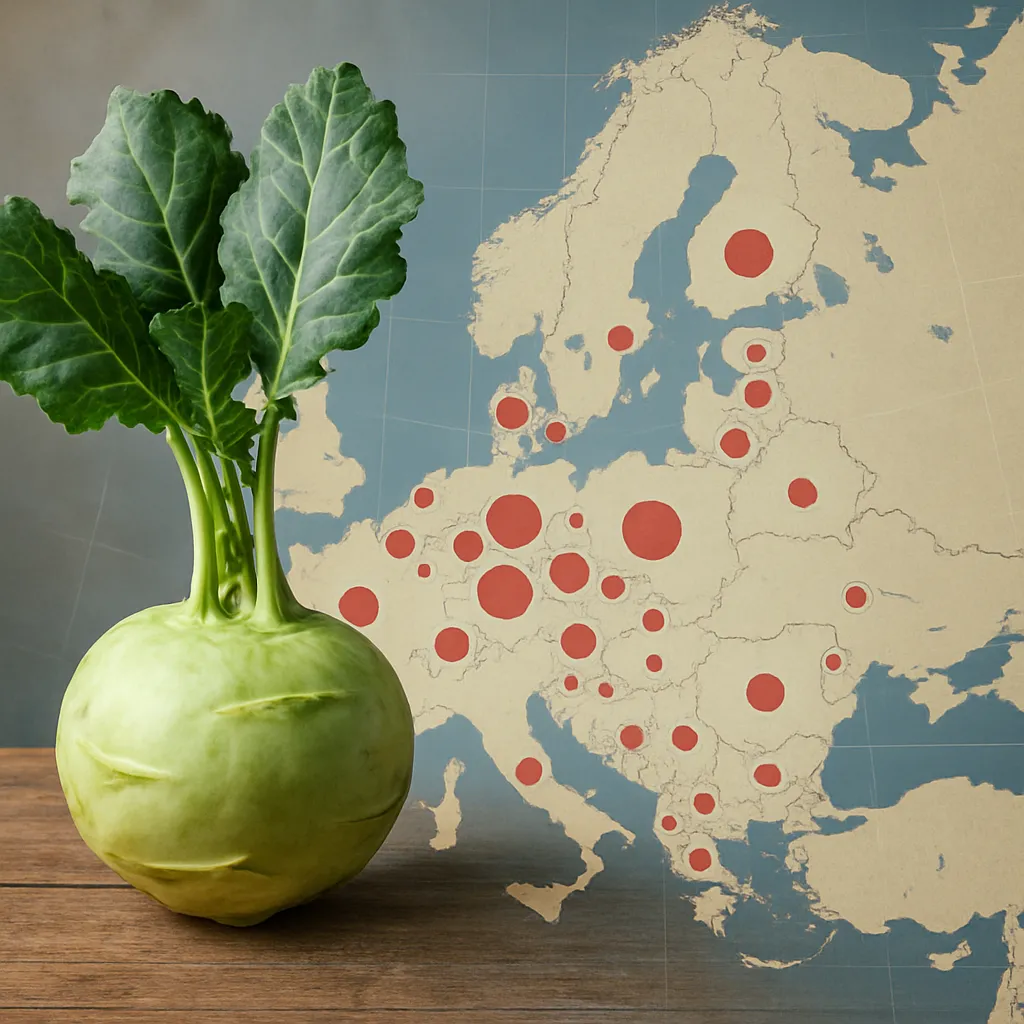
The arrival of vegetables from non-EU countries has reshaped European agricultural markets over the last decades, altering production patterns, trade flows and the economic viability of many farms. This article examines how these imports influence European growers, processors and rural communities, and outlines the main market mechanisms, regulatory frictions and adaptation strategies that matter for stakeholders. It balances economic evidence with practical considerations about supply chains, environmental pressures and policy responses.
Market dynamics and price effects
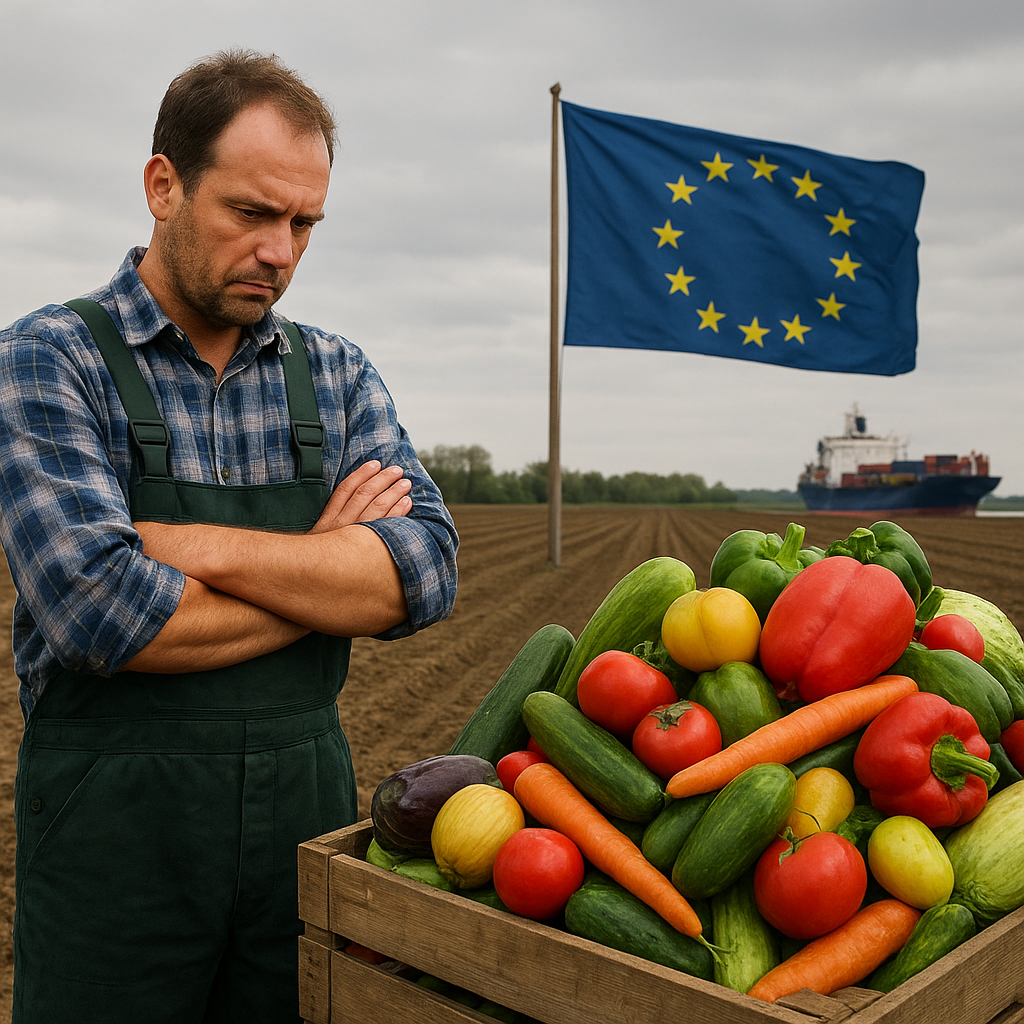
Globalization of food trade expanded the availability of fresh produce year-round. Increased imports of tomatoes, peppers, cucumbers and leafy greens from non-EU exporters affect local prices and seasonal supply. Price transmission between international and domestic markets can be rapid for perishable goods with thin margins. For many European growers the key challenge becomes maintaining viable margins in the face of lower-cost competition while meeting consumer expectations on quality and safety.
Channels of impact
- Direct competition at retail and wholesale levels, often leading to downward pressure on farmgate prices.
- Shifts in procurement by supermarkets and food service companies who prioritize year-round availability and cost predictability.
- Increased consumer choice, which can fragment demand and complicate market positioning for local producers.
Imported produce can reduce price spikes in off-season months, but it also raises the risk of price volatility for growers who cannot compete on cost. Retailers may switch sourcing according to short-term price advantages, making forecasting and investment decisions harder for small and medium-sized farms.
Economic consequences for European farmers
Not all producers are equally affected. The impact depends on farm size, production system, crop specialization and access to distribution networks. High-tech greenhouse operations may compete successfully by focusing on quality standards and speed to market, whereas many open-field producers face steeper challenges.
Income and employment
- Smaller farms often face falling revenues and higher relative costs, leading to consolidation or exit.
- On-farm employment can decline as marginal operations scale back or close, affecting rural livelihoods.
- Regions with diversified agricultural systems fare better, while mono-cropping areas become more vulnerable.
The competitive pressure from non-EU imports can accelerate structural change in the sector, favoring larger, more capitalized producers or those able to integrate vertically. This process raises concerns about social equity in rural regions and the preservation of local food cultures.
Quality, standards and non-tariff barriers
Beyond price, non-EU imports are governed by sanitary and phytosanitary rules, pesticide residue limits and traceability requirements. Compliance with EU rules can be a competitive advantage for local producers who meet strict standards, but enforcement disparities and certification costs shape market access.
Regulatory challenges
- Costs of certification and testing can be prohibitive for smallholders exporting to the EU, yet inconsistent enforcement can allow cheaper imports to undercut domestic prices.
- Different interpretation of rules across member states complicates trade and opens space for administrative delays.
- Food safety incidents related to imports can temporarily shift consumer demand to local producers, but long-term reputational effects vary.
Farmers that invest in higher standards, traceability systems and branding may capture niche markets willing to pay premiums for sustainability and provenance. However, achieving such differentiation requires access to capital, knowledge and reliable marketing channels.
Supply chain, logistics and seasonality
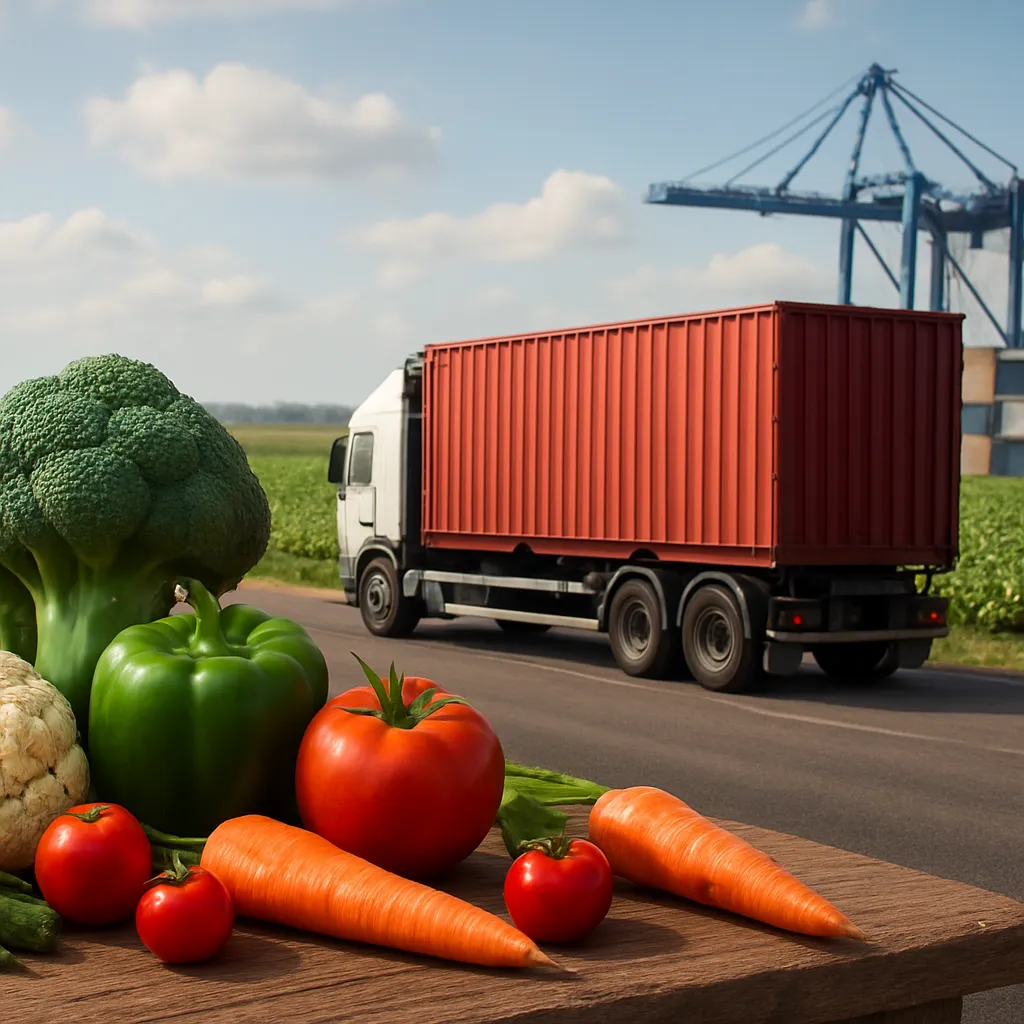
Imported vegetables usually travel longer distances and rely on cold chains, which transform supply patterns in Europe. The logistics dimension influences freshness, cost and carbon footprint, and determines which imported products reach which market segments.
Implications for distribution and waste
- Longer supply chains can increase the risk of spoilage and food loss if cold chain failures occur.
- Competitive pressure can push distributors to optimize inventory, sometimes reducing orders from local suppliers with shorter production runs.
- Seasonal import surges can depress prices for domestic producers during local harvest windows, increasing waste on farms if unsold produce cannot be stored.
Improving coordination between farmers, wholesalers and retailers—through contracts, better forecasting and collaborative logistics—can help reduce inefficiencies. Strengthening local short supply chains and farmers’ markets provides alternatives but often serves niche rather than mass markets.
Environmental and social sustainability
The environmental footprint of imports includes transport emissions, but also differences in production methods. Non-EU exporters may use less regulated inputs or irrigation practices that have distinct ecological consequences. For European producers, communicating superior environmental practices can be a market strategy, though it is not always rewarded in price-sensitive segments.
Labour and community impacts
- Competition can reduce local employment in farming communities, affecting local services and demographic trends.
- Imported produce sometimes originates from low-wage contexts where labour conditions differ from EU norms; this raises ethical and reputational questions for buyers.
- Investments in local processing and value-adding can offset some job losses, if supported by targeted policies.
Support for on-farm agroecological transitions and diversification into processing, direct marketing, or agritourism can bolster farmer incomes while delivering public goods. Yet these transitions require time, training and often public subsidies.
Policy responses and market instruments
European institutions and national governments have a range of tools to address competitive pressures while respecting WTO rules. The choice and design of instruments influence farm resilience and consumer outcomes.
Possible instruments
- Targeted subsidies or income support to cushion the transition for vulnerable producers.
- Investment in rural infrastructure and digital platforms to connect farmers with buyers and reduce transaction costs.
- Stronger enforcement of existing food safety and labour standards to level the playing field.
- Promotion of regional branding and quality labels to differentiate local produce.
Trade policy can also play a role: while broad tariff protection for perishable vegetables is limited by trade commitments and consumer price sensitivity, selective measures—like seasonal safeguards, tariff-rate quotas or stricter import checks—are sometimes used to manage disruptive import surges. Complementary measures that enhance farm resilience—such as insurance schemes and income diversification programmes—can be more politically and economically sustainable than permanent protection.
Adaptation strategies for farmers and cooperatives
Producers can adopt several strategies to respond to non-EU competition. Collective action through cooperatives improves bargaining power and enables investments in processing, storage and marketing that individual farms cannot afford. Crop diversification reduces risk from price swings and can open new market niches.
Practical steps
- Invest in post-harvest technology to extend shelf life and improve product quality.
- Develop direct-to-consumer channels—e-commerce, CSAs, farmers’ markets—to capture higher margins.
- Pursue certification (organic, fair trade, PDO/PGI) to access premium segments.
- Coordinate with logistics providers to ensure reliable cold chains and reduce losses.
- Engage in joint marketing and regional branding initiatives to communicate local value propositions.
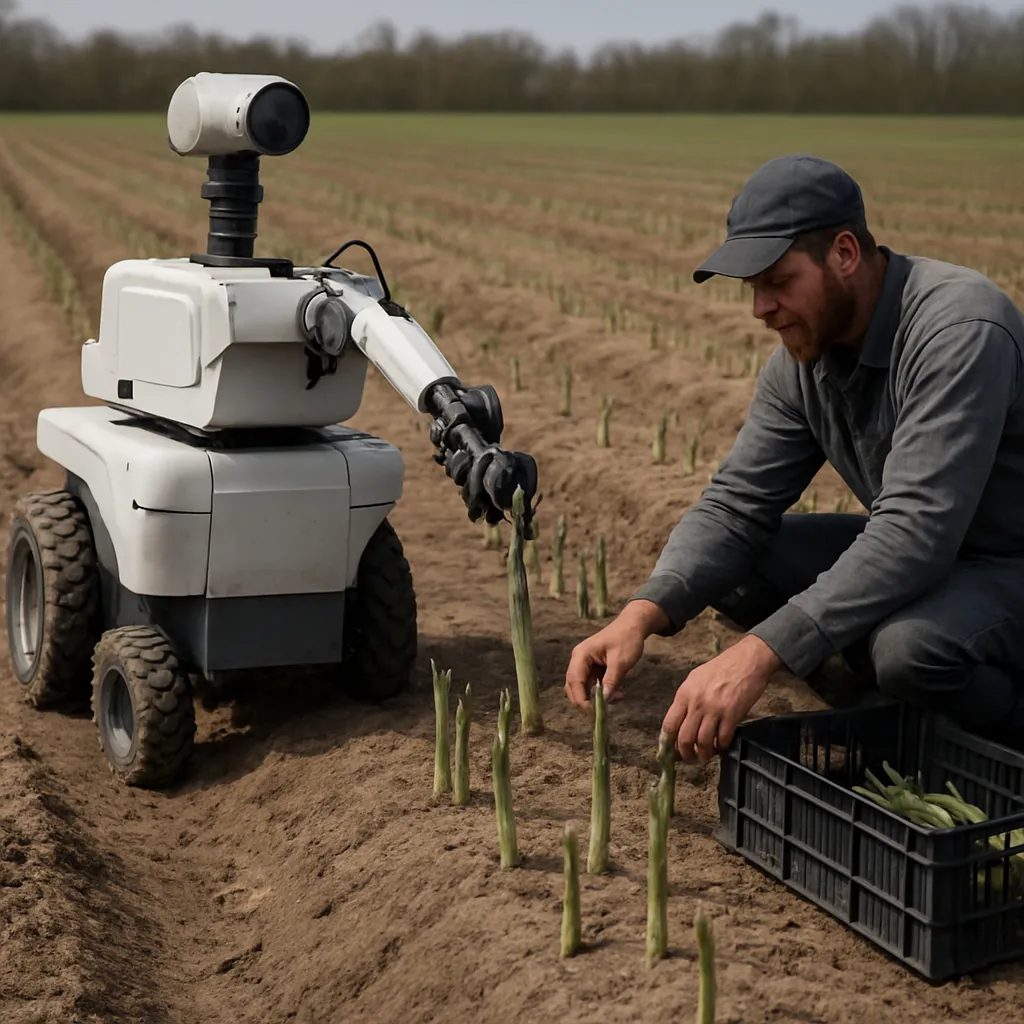
Adoption of precision agriculture and greenhouse technologies can increase yields and reduce unit costs, but they require capital and skills. Access to finance and advisory services is therefore critical for successful adaptation, especially for younger and smaller farmers.
Long-term outlook and strategic considerations
Global trade in vegetables is likely to continue expanding as consumer demand for year-round fresh produce grows and as transport costs evolve. European farmers who emphasize competitiveness through efficiency, quality and differentiation will be better positioned. At the same time, policymakers aiming to protect rural livelihoods must balance consumer interests, environmental goals and international commitments.
Key strategic choices include investing in resilient local supply networks, aligning standards to ensure fairness in competition, and supporting transitions towards more sustainable production methods. Strengthening farmer organizations and improving market intelligence can reduce information asymmetries and enable better contract design between producers and buyers.
Conclusions for stakeholders
For producers, the presence of non-EU vegetables in European markets is both a challenge and an opportunity. Those able to leverage market access, innovate in production and logistics, and build strong brands can thrive. For policymakers, the task is to design frameworks that support structural adjustment, maintain fair competition and incentivize sustainable practices. For buyers and consumers, transparent information about origin, production practices and social impacts enables more informed choices that can reshape demand patterns over time.