The global landscape of agriculture is experiencing a rapid transformation as advances in technology reshape how food is grown, harvested and brought to market. Automation in the harvesting of fruits and vegetables is at the forefront of that change, intersecting with shifting consumer preferences, supply chain dynamics and labor markets. This article explores the interaction between agricultural markets, the technological evolution of harvesting systems and the broader economic, social and environmental implications of adopting automated solutions.
Market dynamics and the pressures driving change
Agricultural markets today are characterized by variable prices, increased demand for year-round fresh produce and tighter margins for many growers. Global trade liberalization and improved logistics mean consumers expect consistent quality and availability, while retailers push for predictable supply and traceability. Key drivers encouraging investment in harvest automation include labor shortages, rising labor costs, and the need to reduce post-harvest losses.
Supply chains and value capture
Producers face pressure to maximize the value captured from a given hectare. Automated harvesting can improve harvest timing and reduce damage, increasing saleable yield and lowering waste. However, market structures differ: large-scale commercial farms can more readily absorb capital expenditures for automated systems, while smallholders operate under tighter liquidity constraints.
- automation enables predictable throughput for packing houses and cold chains.
- Retailers increasingly demand digital traceability and quality metadata generated at harvest.
- Export-oriented growers require consistency to meet phytosanitary and customer standards.
Technologies transforming fruit and vegetable harvesting
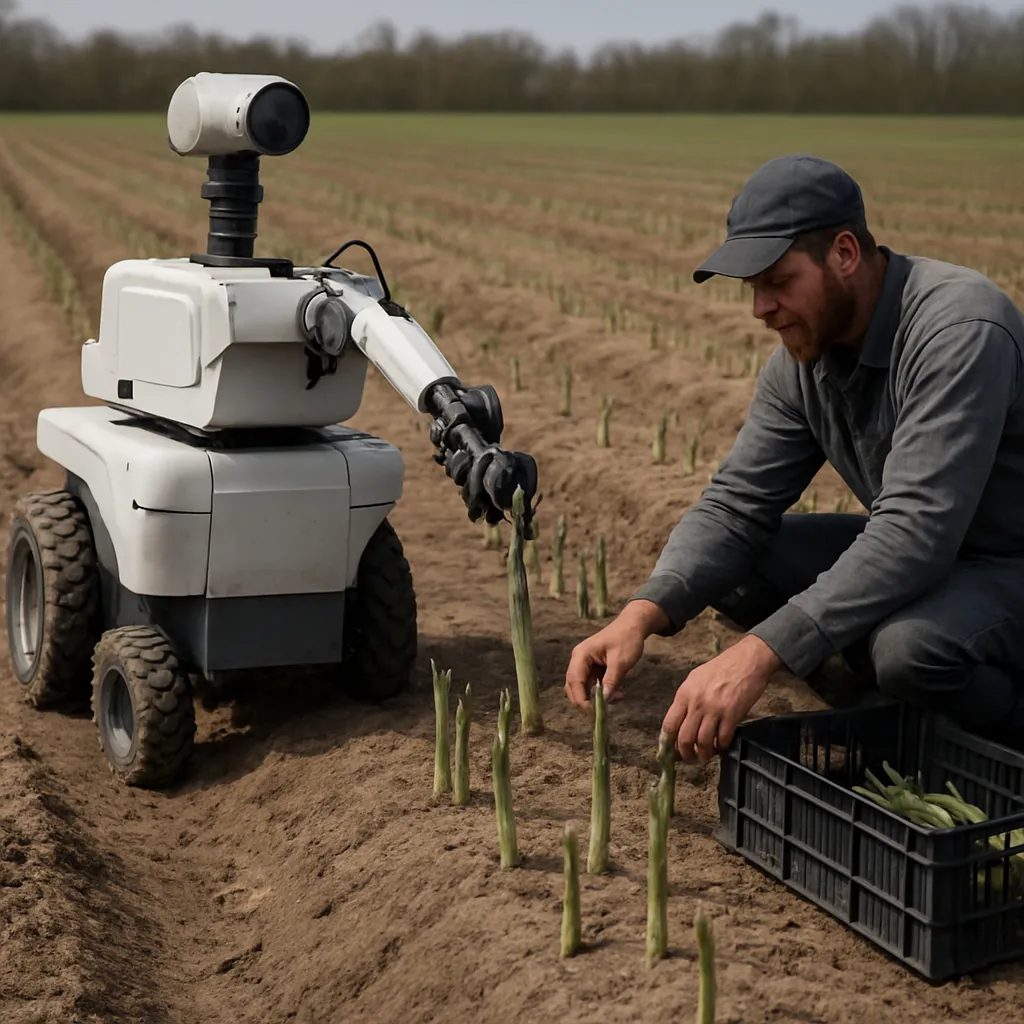
Harvest automation combines several technological domains into integrated systems that identify, pick and handle delicate produce with minimal human intervention. Innovations span mechanical design, perception systems, artificial intelligence and fleet coordination.
Robotics and end-effectors
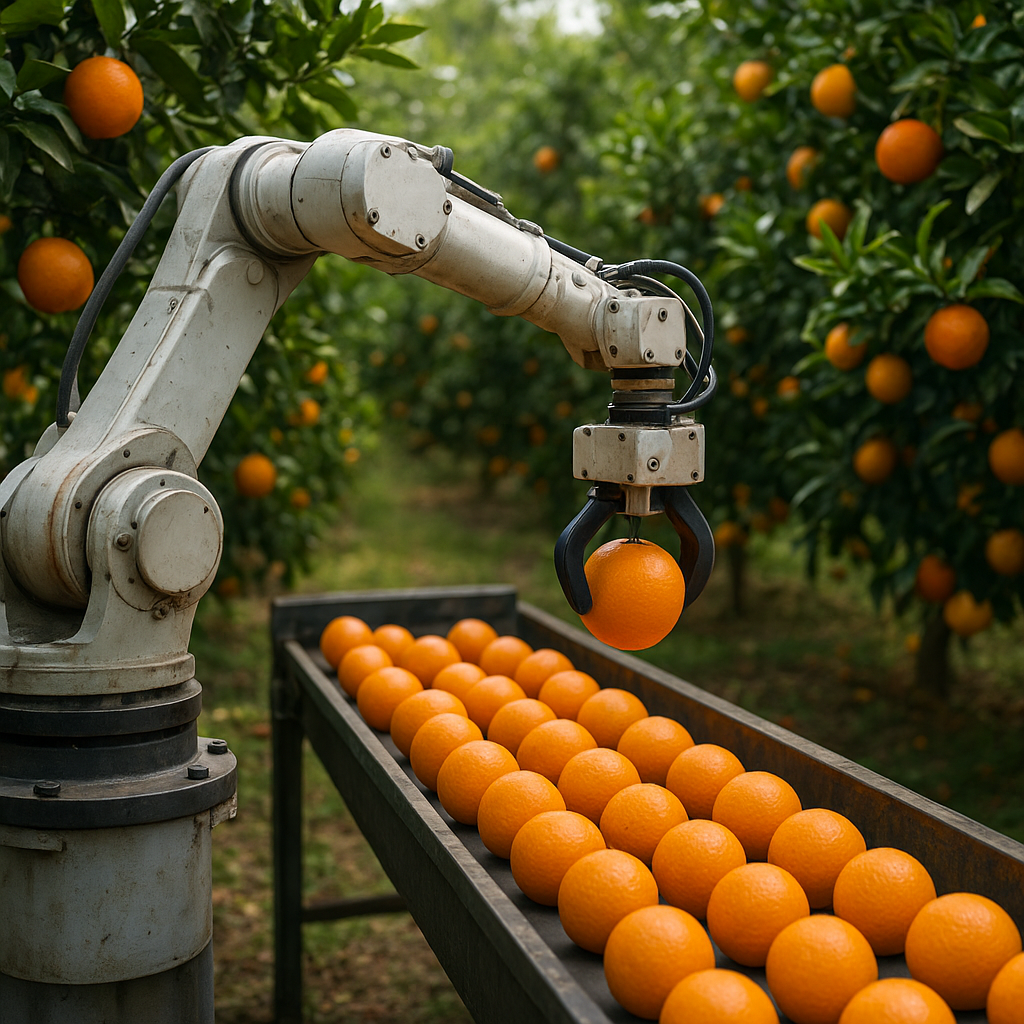
End-effectors — the tools that touch and pick produce — have evolved from rigid grippers to compliant and adaptive designs. Soft robotics and vacuum-assisted grippers reduce bruising and can accommodate variations in fruit shape and size. Modular picking heads allow a single robotic platform to handle multiple crop types with quick-change tooling.
Perception and decision-making
Computer vision, multispectral imaging and depth sensors enable machines to detect ripe fruit in complex foliage. Machine learning models classify ripeness and recommend optimal picking strategies. Advances in sensor fusion increase reliability under variable lighting and weather conditions.
- sensors provide the data inputs needed for precise harvesting decisions.
- AI algorithms optimize which targets to pick and how to grasp them.
Mobile platforms and fleet coordination
Robotic harvesters can be mounted on autonomous tractors, tracked vehicles or lightweight mobile platforms that navigate rows and groves. Swarm coordination and scheduling software manage multiple units to maintain continuous harvesting as fruit ripens. Integration with mobile apps and farm management systems allows remote monitoring and task assignment.
Economic, social and environmental implications
Transitioning to automated harvesting offers economic benefits but raises social and policy questions. Understanding these trade-offs is essential for equitable and sustainable adoption.
Productivity and profitability
Automated systems can increase picking speed and extend harvest windows, directly affecting productivity and profitability. Reduced reliance on seasonal labor lowers exposure to labor market volatility and migration-related shortages. For high-value crops, automation can yield clear returns on investment by reducing waste and improving pack-out rates.
Labor and workforce transformation
While automation reduces certain manual tasks, it also creates demand for new skills: system operators, maintenance technicians and data analysts. Workforce transition requires targeted training programs and policies that support reskilling. There are regional disparities: in areas where agriculture is a major source of employment, mechanization can disrupt livelihoods if not managed inclusively.
- labor displacement can be mitigated through education and redeployment strategies.
- Cooperatives and leasing models allow smaller farms to access expensive equipment without full capital outlay.
Environmental and sustainability outcomes
Automated harvesting may improve sustainability by reducing food loss, optimizing harvest timing (which can reduce over-ripening and rot) and enabling precision handling that minimizes chemical residues from bruised produce. Conversely, automation increases the need for energy and electronic waste management; life-cycle assessments are necessary to compare net environmental impacts.
- sustainability gains depend on energy sourcing and equipment longevity.
- Precision timing supports better post-harvest quality and reduces refrigeration loads.
Barriers to adoption and practical implementation
Despite promising benefits, several barriers slow widespread deployment of automated harvesters. Addressing these challenges is key for scalable, profitable implementations.
Technical limitations
Crops with occluded fruits, high variability in appearance, or delicate skins present engineering challenges. Field conditions — mud, dust, uneven terrain, and adverse weather — demand robust designs. Continuous improvements in perception and adaptive control are required to achieve reliable performance across diverse environments.
Economic and financing hurdles
High upfront costs and uncertain payback periods discourage many growers. Financial instruments such as leasing, equipment-as-a-service and public incentives can help lower the barrier to entry. Shared-use models and contracting arrangements enable smaller operations to benefit from automation without full ownership.
Standards, data and interoperability
Interoperable software standards and data-sharing protocols are essential to integrate harvesters with packing lines, cold storage and marketplaces. Open APIs and common data schemas reduce vendor lock-in and help farms leverage analytics across the value chain.
Policy, training and market mechanisms
Policies that support innovation while safeguarding workers and the environment will influence the rate and fairness of automation adoption. Collaborations between governments, research institutions and industry accelerate safe deployment and knowledge transfer.
- Invest in vocational training and extension services focused on agricultural robotics and maintenance.
- Support pilot projects and demonstration farms to validate technologies under local conditions.
- Design subsidy programs or tax incentives that reward sustainability and inclusive employment practices.
Innovations shaping the next decade
Emerging areas of research and commercialization promise to broaden the scope and effectiveness of automated harvesting.
Soft robotics and delicate handling
Soft, adaptive grippers and tunable compliance mechanisms reduce damage to fruits and vegetables that are sensitive to bruising. These advances expand automation to crops previously considered unsuitable for mechanized harvesting.
Edge computing and real-time analytics
Deploying computation at the edge reduces latency for perception and control tasks, enabling faster decisions in dynamic environments. Real-time analytics also provide quality metrics that feed back into market pricing and supply chain planning.
Digital marketplaces and traceability
Automation ecosystems that generate standardized quality and provenance data create opportunities for digital marketplaces that match supply to demand more efficiently. Transparent data can help farmers secure premium prices for verified quality and sustainability attributes.
Practical recommendations for stakeholders
Successful adoption requires a pragmatic combination of technology, finance and human capital strategies.
- Start with pilot projects focused on a single crop or field to evaluate ROI and operational challenges.
- Explore cooperative ownership models to share costs and technical expertise across multiple farms.
- Invest in workforce upskilling early, prioritizing local labor transition pathways.
- Integrate automated harvesters with existing farm management software and cold chains for end-to-end efficiency gains.
- Engage in public-private partnerships to co-develop standards and demonstration platforms.
Automation in fruit and vegetable harvesting is not a one-size-fits-all solution; its value depends on crop characteristics, farm scale, market structure and regional labor dynamics. When thoughtfully applied, however, robotic harvesting and allied technologies can increase efficiency, improve yield and support more resilient supply chains while creating opportunities for new services and roles across the agricultural sector.