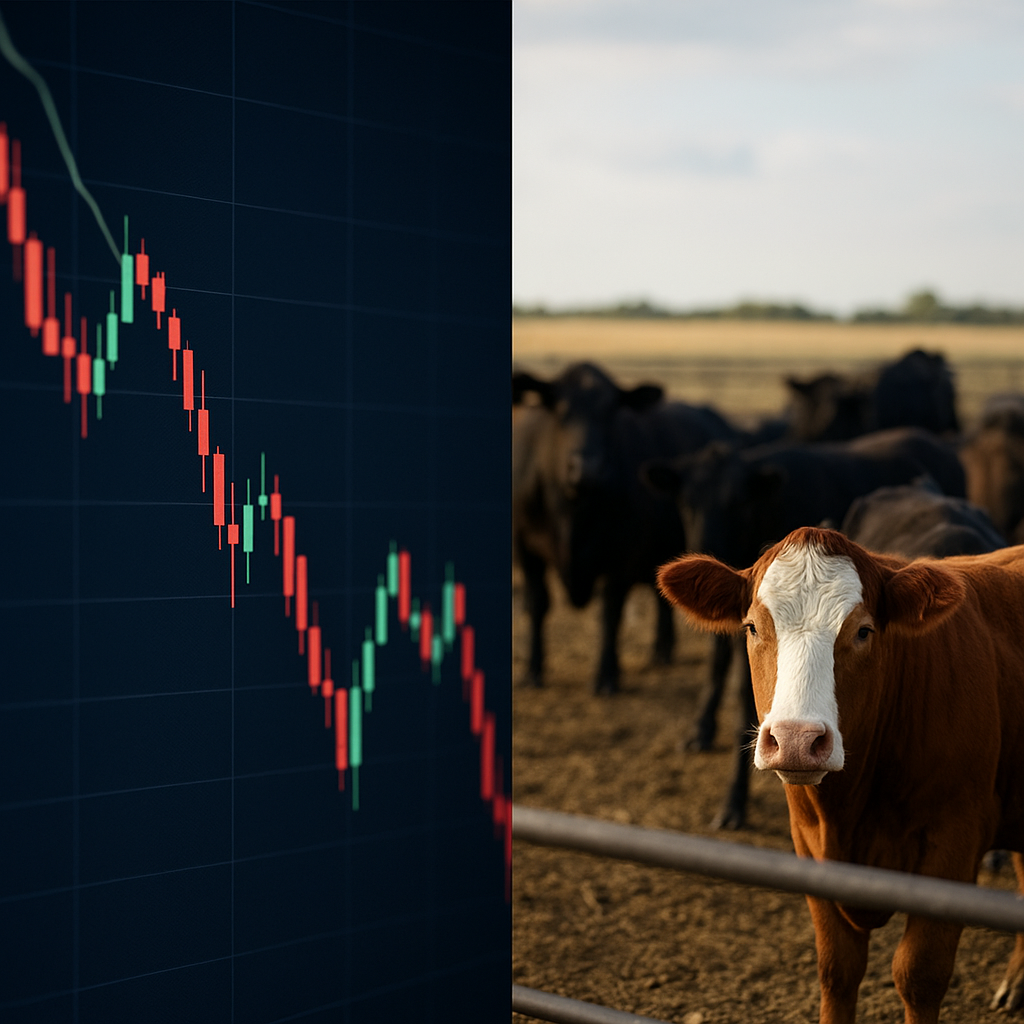
The interplay between agricultural commodity flows and animal production determines much of the economic and environmental landscape of modern farming. This article examines how fluctuations in the feed market ripple through the livestock sector, altering production decisions, affecting food security, and shaping strategies for resilience. By exploring the drivers of price swings, the direct and indirect consequences for producers, and practical responses at farm and policy levels, the piece offers a comprehensive view of a complex, interconnected system.
Drivers of feed market fluctuations and their characteristics
Understanding why feed prices move is the first step to grasping their impacts. Feed markets are subject to both classic economic forces and sector-specific shocks. Key drivers include weather events, input costs, global markets for grains and oilseeds, energy prices, trade policies, and demand pulses from competing sectors such as biofuels. These forces interact to create short-term spikes and longer-term structural changes in price levels.
Weather-related crop losses, often amplified by extreme events and changing climate patterns, can abruptly reduce available volumes of key feed ingredients such as maize, wheat, and soybean meal. Simultaneously, rising volatility in global commodity markets increases uncertainty for producers who cannot easily pass variable costs along to consumers. Exchange rates and shipping disruptions add layers of complexity, especially for countries dependent on imports of certain feedstuffs.
Market concentration and speculative activity further shape price formation. When a few exporters or traders control large shares of supply, policy changes or logistical bottlenecks have outsized effects. Similarly, speculative positions in futures markets can exacerbate price swings, transferring financial market turbulence into physical markets that affect farm-level decisions. The link between energy and feed is also crucial: higher oil prices raise fertilizer, transport, and processing costs, pushing up the cost base for feed production.
Impacts on livestock producers, supply chains, and animal welfare
Feed accounts for a large portion of the variable cost of livestock production, often representing the single biggest expense for intensive systems. Changes in feed costs therefore translate directly into margins for pork, poultry, dairy, and beef producers. A sudden increase in feed prices can force producers to reduce herd sizes, delay restocking, or lower investment in health and biosecurity measures, with cascading effects across the supply chain.
- Prices and profitability: Producers facing higher feed bills may cut production or switch to alternative, often lower-quality, rations. These changes can reduce productivity, increase feed conversion ratios, and raise unit production costs.
- Supply stability: Volatile feed supplies lead to uncertainty in production planning. Processors and retailers may experience irregular throughput, complicating contract fulfillment and market commitments.
- Animal health and welfare: Cost-driven ration changes or feed substitutions may compromise nutritional adequacy, increasing the risk of disease, poor growth, or reduced reproductive performance. In extreme cases, producers may resort to culling or forced sales, affecting market supply and animal welfare outcomes.
- Smallholder vulnerability: Smaller farms and family-based operations typically have weaker hedging options and limited access to credit, making them disproportionately vulnerable to price shocks. Reduced income undermines rural livelihoods and can accelerate consolidation in the sector.
Downstream effects include altered meat, dairy, and egg prices for consumers, with low-income households experiencing the greatest burden where food accounts for a significant share of budgets. Trade flows may shift as importing countries seek cheaper sources or attempt to stabilize domestic markets through tariffs and export restrictions, which in turn amplifies global uncertainty.
Risk management, policy responses, and private-sector strategies
Both private actors and public authorities have tools to mitigate the effects of feed market swings. On the farm level, producers can use a combination of financial and operational strategies to manage risk. These include forward contracting, futures and options, diversified feed sourcing, on-farm storage, and flexible feeding strategies that permit substitution among ingredients while maintaining nutritional standards.
At the same time, public policies play a central role in stabilizing markets and protecting vulnerable populations. Strategic grain reserves, targeted subsidies for feed inputs during crises, transparent information systems, and support for local feed processing can reduce vulnerability. However, poorly designed measures such as broad-based export bans can worsen price volatility internationally and harm trading partners.
- Market information: Reliable, timely data on crop prospects, stocks, and flows enable producers and traders to make better-informed decisions. Investment in monitoring systems and dissemination channels is critical.
- Infrastructure and logistics: Improving storage, transport, and processing capacity reduces post-harvest losses and helps smooth seasonal supply variations, lowering the likelihood of sharp price spikes.
- Financial access: Credit facilities, insurance products tailored for agricultural inputs, and payment innovations help producers absorb temporary shocks without resorting to costly coping mechanisms.
- Regulatory frameworks: Clear rules on trade, competition, and quality standards support efficient markets. Authorities should balance short-term consumer protection with long-term market functioning.
Long-term structural responses: sustainability, innovation, and resilience
Beyond immediate risk mitigation, the livestock sector must adapt structurally to a world where feed supply and costs are increasingly influenced by climate, competition for land, and changing consumption patterns. Sustainable intensification, improved feed efficiency, and integration of novel feed ingredients can all contribute to more resilient systems.
Technological innovations offer multiple pathways. Precision nutrition, improved forage varieties, and feed additives can enhance conversion efficiency and reduce reliance on imported protein meals. Alternative protein sources—such as insect meals, algal products, and single-cell proteins—are progressing from pilot to commercial scale and could diversify supply in the medium term. Meanwhile, circular approaches that valorize agricultural by-products and integrate crop-livestock systems can reduce waste and reduce pressure on primary commodities.
Policies and incentives aligned with environmental goals will influence the trajectory. Investments in research and extension are needed to scale innovations and ensure they are cost-effective for producers. Cross-sector collaboration between crop breeders, feed formulators, veterinarians, and economists helps ensure that new solutions are practical and adoptable at scale.
Global trade interactions and geopolitical considerations
Feed markets do not operate in isolation: they are embedded in global trade networks and affected by geopolitical dynamics. Export restrictions, bilateral disputes, and shifts in trade alliances can rapidly alter available volumes and routing. Countries seeking food security may prioritize domestic supply during crises, reducing exportable surpluses and driving up global prices.
Trade diversification and regional cooperation provide buffers against such shocks. Regional feed value chains—built on complementary production zones and harmonized standards—can insulate producers from distant shocks and reduce transportation costs. At the same time, reliance on a small number of global suppliers for key inputs increases systemic risk, underscoring the need for balanced trade strategies.
Practical considerations for producers and advisors
Farmers and industry advisors should maintain a pragmatic set of practices to navigate feed market turbulence. Key actions include:
- Scenario planning: Regularly model different price and supply scenarios to understand potential impacts on cash flow and production strategy.
- Feed budgeting: Track feed costs per animal or per unit of product to identify thresholds where production becomes unsustainable.
- Diversification: Source multiple feed ingredients and suppliers to reduce exposure to any single point of failure.
- Nutrition monitoring: Work with nutritionists to design flexible rations that preserve animal health while allowing ingredient substitutions.
- Investment in storage: Where feasible, increase on-farm storage to take advantage of seasonal price cycles and reduce reliance on spot markets.
Advisors should also emphasize the importance of maintaining herd health and biosecurity during cost pressures, since disease outbreaks can magnify financial losses and disrupt markets further. Investments in preventive health measures often pay off by preserving productivity when margins tighten.
Emerging risks and research priorities
Several emerging issues deserve attention from researchers, policymakers, and industry stakeholders. The interaction between climate change and crop yields will likely reshape where and how feed crops are produced. Understanding genetic resilience, drought tolerance, and nutrient-use efficiency in feed crops is a research priority. Equally important is assessing the lifecycle environmental footprint of alternative feeds to avoid unintended trade-offs.
Another priority is improving market transparency and the design of financial instruments tailored to agricultural contexts. Innovations in data analytics, remote sensing, and blockchain-based traceability can strengthen trust and reduce transaction costs. Social research on adoption barriers, particularly among smallholders and marginalized groups, will help ensure that resilience measures are equitable and effective.
Finally, integrated models that couple crop, livestock, economic, and climate systems can better inform policy by revealing feedbacks and unintended consequences. Filling data gaps and improving model resolution at regional scales will enhance decision-making for both public and private actors.