The global market for edible and industrial oils sits at the intersection of agronomy, trade, energy policy and environmental stewardship. This article examines recent and projected trends in the vegetable oil sector, explores the major drivers of long-term demand, analyzes supply-side constraints, and considers technological and policy responses that will shape markets over the next decade. Attention is paid to the dominant oil crops, price dynamics, and the sustainability challenges that define investment and trade decisions for producers, processors and buyers.
Market structure and crop fundamentals
Worldwide, a relatively small number of crops deliver the bulk of edible oils: palm oil, soybean oil, rapeseed (canola) oil, sunflower oil and, to a lesser extent, coconut and olive oils. Each crop has distinct agronomic characteristics, yield potential, land footprint and processing pathways, which in turn influence trade flows and price formation.
Production concentration and major players
- Indonesia and Malaysia dominate palm oil production thanks to very high per-hectare yield compared with temperate oilseeds. Their climatic advantage and established plantation systems make them central to global supply.
- Brazil and the United States are leading producers of soybeans, which are primarily crushed for soybean oil and protein meal for feed. Argentina, Paraguay and Bolivia also contribute significantly to the soybean complex.
- European Union countries (notably France, Germany, Poland) and Canada are large producers of rapeseed/canola, while Ukraine, Russia, Argentina and the European Union are important for sunflower oil supply.
Processing and the vegetable oil value chain
Crushing, refining and fractionation transform oilseeds into marketable oils and co-products. This vertically integrated chain couples oil prices with meal prices (animal feed), so decisions on acreage are influenced by both edible oil and protein market signals. Trade hubs, shipping costs and port capacity also determine how regional surpluses are absorbed globally.
Demand drivers and long-term projections
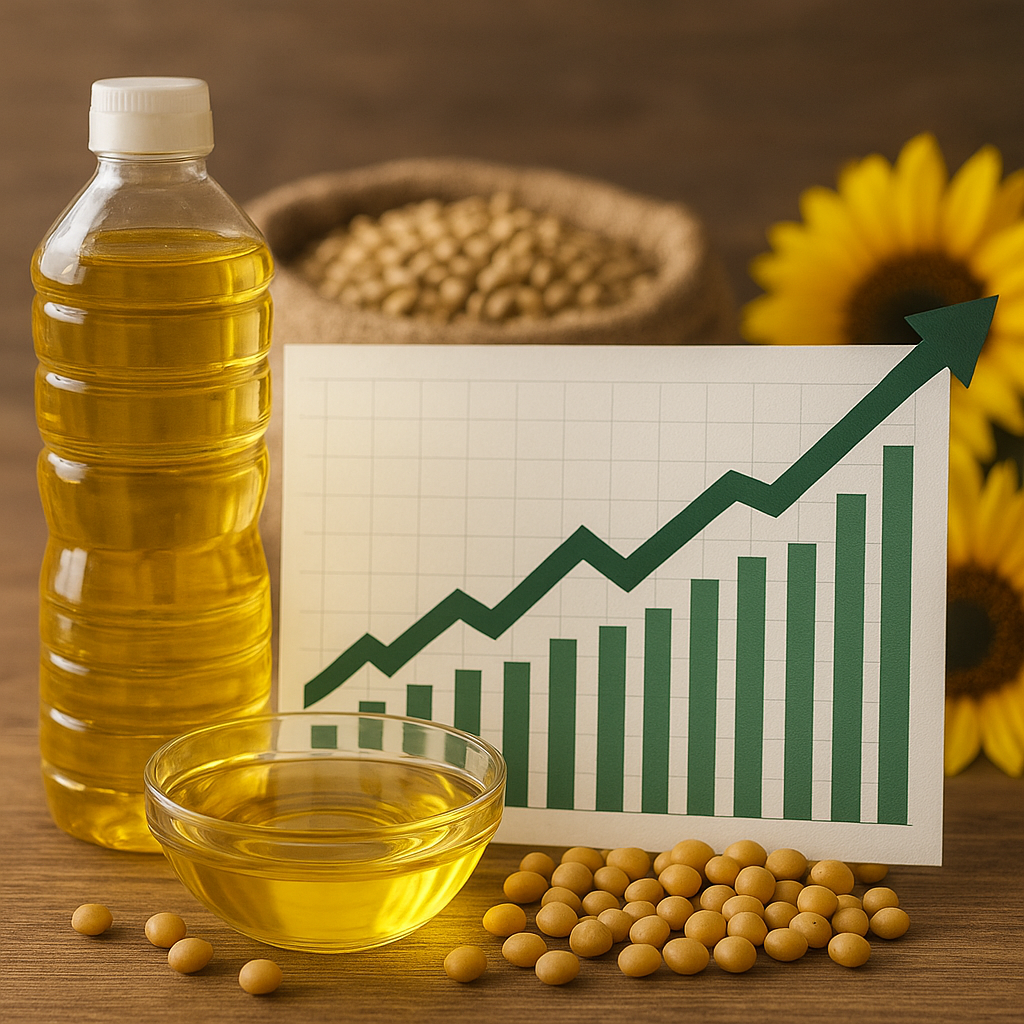
Global consumption of vegetable oils has risen steadily over past decades. Projections to 2035–2050 indicate continued growth, though trajectories vary by scenario.
Key end-use sectors
- Food and culinary use: Rising incomes and dietary shifts in Asia and Africa increase per-capita vegetable oil consumption, particularly for frying and processed foods.
- Biodiesel and bio-based fuels: Mandates and blended fuel policies in the EU, Indonesia, Malaysia and parts of Latin America integrate vegetable oils into transport fuels, raising industrial demand for certain oils.
- Oleochemicals and industrial uses: Soaps, detergents, lubricants and cosmetics consume specialized fractions and derivatives.
- Feed sector linkage: While not direct oil demand, soybean crush economics link vegetable oil supply to global animal protein production.
Projection scenarios
Analysts typically present three scenarios: conservative, baseline and high-growth. Under a baseline that assumes moderate GDP growth, urbanization and stable biofuel policies, global vegetable oil consumption may grow by 1.5–2.5% annually, implying a 20–40% increase in aggregate demand over 15 years. High-growth scenarios—driven by faster income growth in emerging markets or expanded biofuel mandates—could push demand increases beyond 40%.
Key sensitivities include changes in dietary patterns (e.g., substitution between animal fats and vegetable oils), energy prices that affect biofuel competitiveness, and innovations that alter yields or alternative oil availability.
Price dynamics, volatility and risk factors
Vegetable oil prices are influenced by crop yields, oilseed crush margins, currency movements, shipping and storage costs, and policy interventions. Price volatility remains elevated relative to many agricultural commodities because of concentrated production regions, crop susceptibility to weather shocks and rapid shifts in policy-driven demand (biofuels).
Important risk factors
- Climatic extremes: Droughts, floods and pests can sharply reduce output in concentrated producing regions, tightening markets quickly.
- Policy changes: Sudden adjustments to biofuel blending mandates, export restrictions or tariffs can re-route volumes and spike prices.
- Geopolitical events: Trade disputes or conflicts can disrupt shipments from key origins and raise premiums for alternative sources.
- Currency fluctuations: Many oilseeds are dollar-priced; local currency depreciation can lead exporters to expand market share.
Market participants use futures markets, options, and supply chain contracting to hedge these risks, but smallholders and processors in developing countries often lack access to sophisticated risk-management tools.
Sustainability, land use and social impacts
A central tension in projecting future vegetable oil supply is balancing expansion with environmental safeguards. The environmental footprint of oilcrop expansion—particularly deforestation linked to palm oil and some soybean frontiers—has prompted consumer pressure, corporate commitments, and certification schemes.
Certification and corporate commitments
- RSPO, ISCC, RTRS and other schemes aim to trace and verify sustainability attributes. Corporate zero-deforestation pledges have shifted sourcing strategies, but implementation and monitoring challenges remain.
- Traceability technology, satellite monitoring and blockchain pilots are increasingly used to validate origin and compliance.
Environmental trade-offs and opportunity areas
Improving productivity on existing farmland can reduce pressure to clear new land. Practices like improved seed varieties, better fertilizer management, integrated pest management, and agroforestry can raise yields while providing co-benefits for biodiversity and carbon sequestration. However, yield gains require investment, extension services and secure land rights—constraints in many producing countries.
Technological change, innovation and alternative sources
Technology will shape supply-side feasibility. Short- and medium-term gains are expected from breeding and agronomy; longer-term transformations may come from novel fats and oils.
Productivity and crop improvement
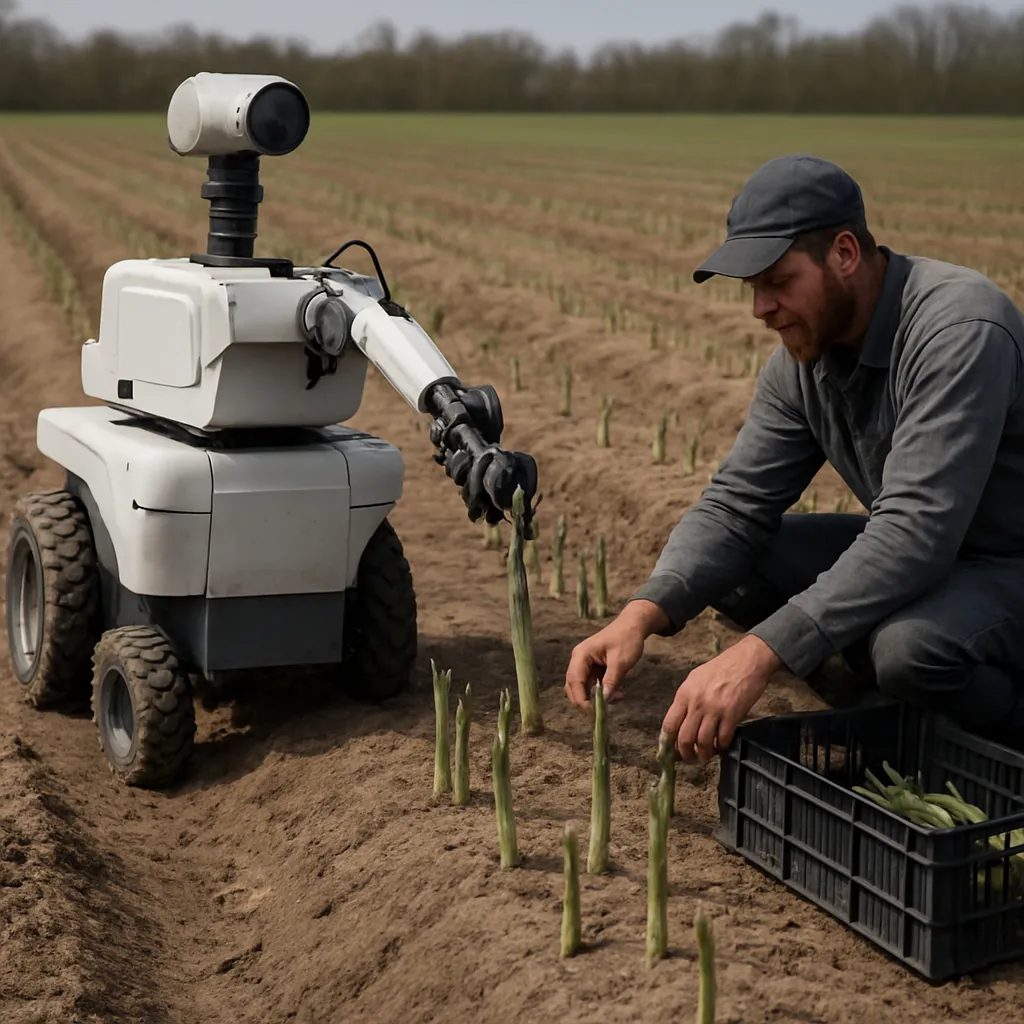
- Higher-yielding varieties, precision agriculture and mechanization can increase per-hectare output while reducing input waste. These innovations are especially valuable for smallholder systems where yield gaps are largest.
- Biotechnology, including marker-assisted selection and gene editing, offers potential for improved oil quality, pest resistance and climate resilience, though regulatory frameworks vary by market.
Alternative oils and circular pathways
Trends in alternative lipids include microbial oils, cell-cultured fats and expanded use of waste and used oils. Such alternatives could ease pressure on land if they scale economically. At the same time, converting waste oils into feedstocks for biodiesel or oleochemicals improves circularity but only provides a limited supplement to global supply.
Trade, policy and geopolitical considerations
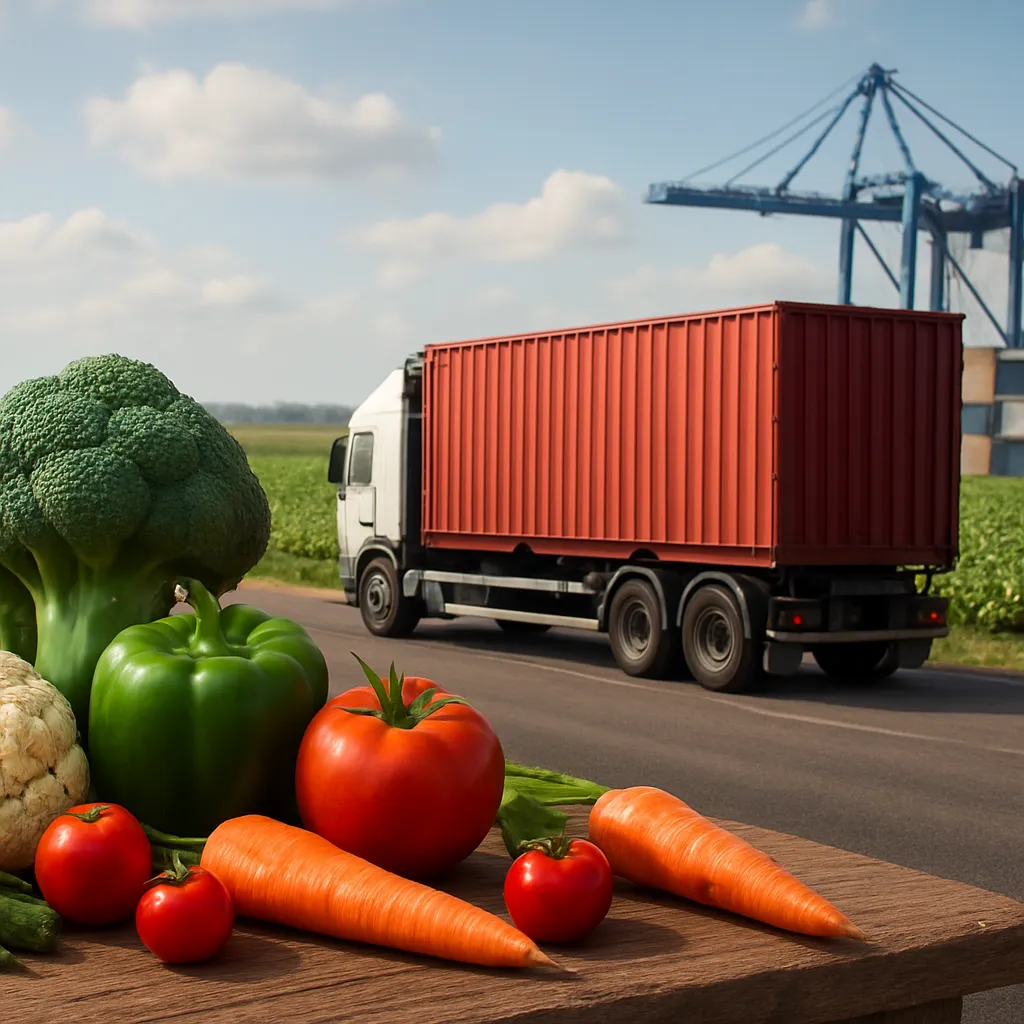
Trade flows of vegetable oils are shaped by comparative advantage, logistics, and policy instruments such as tariffs and export controls. Import-dependent regions—North Africa, the Middle East, parts of Asia and the EU—are sensitive to supply disruptions.
Biofuel mandates and market linkage
Biofuel policies create structural demand. For example, Indonesia’s palm oil-based biodiesel program and the EU’s renewable energy directives meaningfully affect global volumes. Policy shifts toward or away from crop-based biofuels will materially alter markets and prices.
Market resilience and supply chain transparency
- Diversification of sourcing and investment in storage and port capacity enhance resilience against shocks.
- Greater supply chain transparency responds to consumer and regulator demands, but can raise costs for traceability and compliance.
Implications for stakeholders
Producers, traders, policymakers and buyers must consider near-term volatility and long-term structural change simultaneously. Strategies differ by actor but share common themes.
For producers and agribusiness
- Invest in yield-enhancing practices and risk management. Improving farm-level productivity reduces exposure to volatile land expansion dynamics and supports better margins.
- Pursue verifiable sustainability credentials to maintain access to premium markets and mitigate reputational risk linked to deforestation.
For policymakers
- Design biofuel and agricultural policies that balance energy security, rural incomes and environmental goals. Incentives for yield improvement and smallholder inclusion are critical.
- Coordinate internationally to avoid beggar-thy-neighbor policies such as abrupt export bans that amplify global volatility.
For buyers and traders
- Hedge exposure using financial instruments and long-term contracts. Invest in traceability and supplier development to secure sustainable supplies.
- Support landscape-level initiatives that couple commodity production with conservation and community development.
Outlook: scenarios and strategic choices
Three plausible futures illustrate choices stakeholders face:
- Moderate-growth, high-efficiency pathway: Yield gains and improved waste recovery keep land expansion limited; sustainability practices become standard, and prices are stable.
- High-demand, constrained-supply pathway: Strong biofuel mandates and dietary shifts increase demand; constrained land and weather shocks push prices higher and volatility becomes endemic.
- Technological substitution pathway: Alternative oils scale, reducing pressure on land and changing the economics of traditional oilseeds; markets adjust toward new feedstocks and value chains.
Which path unfolds depends on investment in agricultural research, alignment of trade and environmental policies, corporate commitments to sustainable sourcing, and the pace of technological innovation. Across scenarios, managing social impacts, improving smallholder inclusion and ensuring equitable distribution of benefits will determine whether growth in the vegetable oil sector supports broad-based development or exacerbates ecological and social tensions.
Concluding considerations for market participants
Participants should monitor key indicators—yield trends, planting intentions, biofuel policy signals, stock levels, and weather forecasts—to interpret price movements and structural shifts. Emphasizing sustainability, building resilient supply chains, and investing in productivity improvements are practical steps that align commercial interests with environmental and social responsibilities. Finally, collaboration across public and private sectors will be essential to meet rising global needs without repeating past mistakes of unchecked land conversion or inequitable value distribution.