The rise in labor costs is reshaping agricultural landscapes around the world. As wages climb and labor availability fluctuates, farmers, agribusinesses, and policy makers must navigate a complex set of economic, technological, and social consequences. This article explores how rising labor expenses are altering production decisions, supply chains, rural communities, and the long-term resilience of farming systems. It also examines adaptation strategies and the trade-offs they create for sustainability, productivity, and farm profitability.
Economic pressures and immediate consequences for farm management
Rising labor costs exert direct pressure on the cost structure of farms. Labor often represents a significant portion of variable costs, especially in labor-intensive sectors like horticulture, fruit picking, vegetable production, greenhouse operations, and some livestock systems. When wages increase—whether due to statutory minimums, market competition for workers, or reduced availability of migrant labor—farm margins compress and farmers must make quick operational choices.
Cost pass-through and price signals
Some producers can partially pass higher costs to consumers through higher retail prices, but this depends on market power, product differentiation, and price elasticity of demand. Commodity crops traded on global markets have limited scope for passing costs on, making profitability especially vulnerable. In contrast, high-value specialty crops sometimes absorb increased labor costs into premium pricing for quality, organic, or locally produced labels.
Operational adjustments
- Reducing workforce size and reallocating tasks toward core operations.
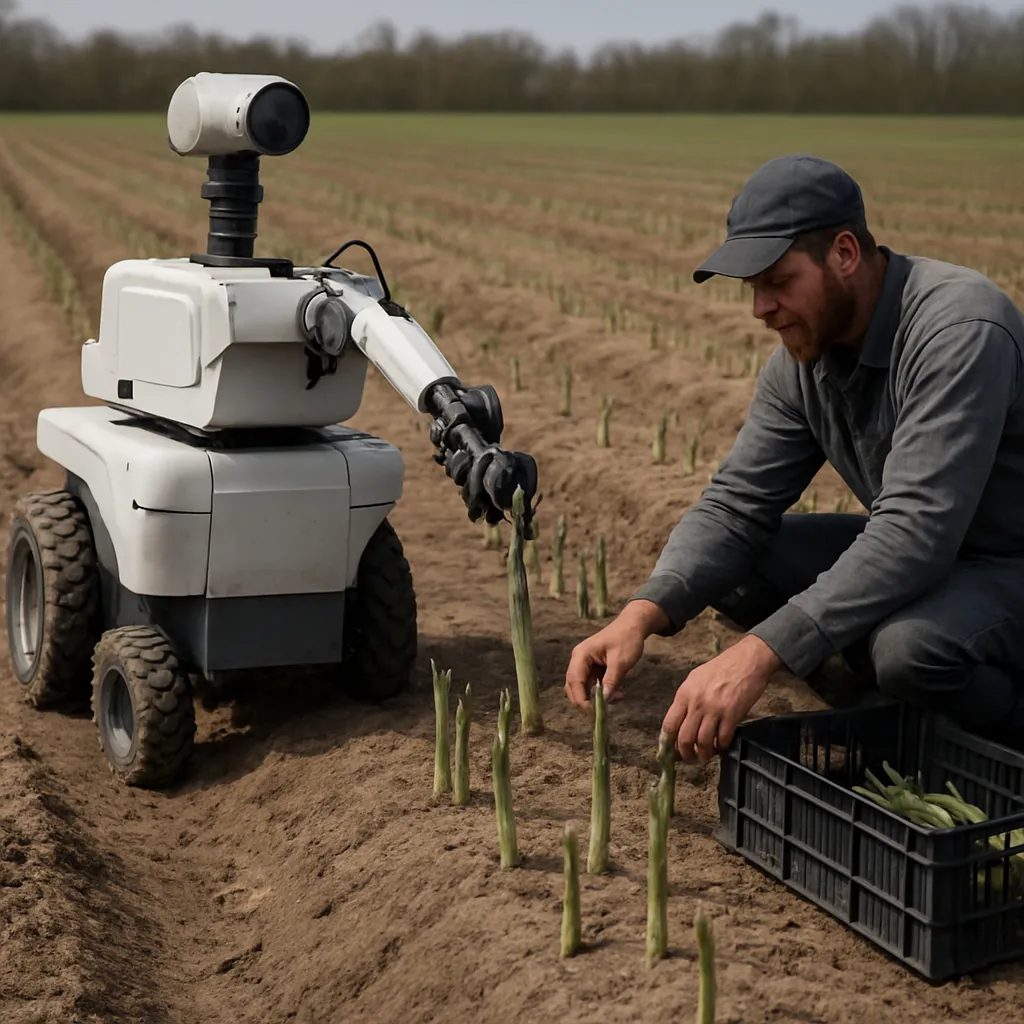
- Increasing mechanization and automation to replace manual tasks such as planting, harvesting, sorting, and packing.
- Altering crop choices toward less labor-intensive species or varieties.
- Shifting to contract arrangements or vertical integration to stabilize labor supply and costs.
Each adjustment carries transaction and capital costs. Investments in machinery require access to credit and skills to operate and maintain new equipment, and mechanization can be less effective for irregularly shaped fields or delicate crops. These trade-offs illustrate why some farms are quicker to mechanize while others opt for cooperative hiring schemes or subcontracting arrangements.
Labor scarcity, migration, and rural demographics
Labor cost increases are often intertwined with shortages. Migration controls, aging rural populations, and competition from non-farm sectors tighten the labor market. The combination of higher wages and fewer workers intensifies the pressure on seasonal peaks when harvest labor is critical.
Migration and seasonal workers
Many agricultural systems rely heavily on migrant and seasonal workers. Policy changes that restrict cross-border labor mobility or increase compliance costs tend to raise the price of available labor. Where labor becomes scarce, farms may delay planting, lose harvest windows, or accept lower quality yields. Some regions respond with guest worker programs or streamlined visa regimes, but these solutions bring administrative overhead and sometimes public controversy.
Rural livelihoods and social consequences
Higher wages can benefit rural workers by improving incomes and living standards, potentially stimulating local economies. Conversely, if farms respond by reducing employment, the net impact on rural jobs can be negative. Smaller family farms may be forced to exit the sector, which accelerates consolidation and changes rural socio-economic profiles. These shifts influence community services, local markets, and demographic trends.
Technology adoption: opportunities and limits
One clear response to rising labor costs is accelerated adoption of technology. Precision agriculture, robotics, sensor networks, and advanced data analytics offer ways to increase labor productivity and reduce reliance on manual work. Tractors and harvesters with mechanical attachments have improved for decades, but recent developments in robotic harvesters, computer vision sorting lines, and autonomous vehicles present more comprehensive labor substitutes.
Benefits of technological transition
- Improved consistency and potentially higher quality through automation of repetitive tasks.
- Reduced exposure to labor shortages and seasonal variability.
- Enhanced resource efficiency by precisely applying water, fertilizer, and pesticides based on real-time data.
Barriers and unintended effects
However, technology is not a universal panacea. Barriers include high upfront costs, maintenance needs, lack of local technical support, and the requirement for new skills among farm managers. Mechanization can also reduce the demand for on-farm labor, which has broader social implications for employment. Furthermore, some crops and practices resist mechanization without significant redesign of production systems.
Supply chains, market structure, and value distribution
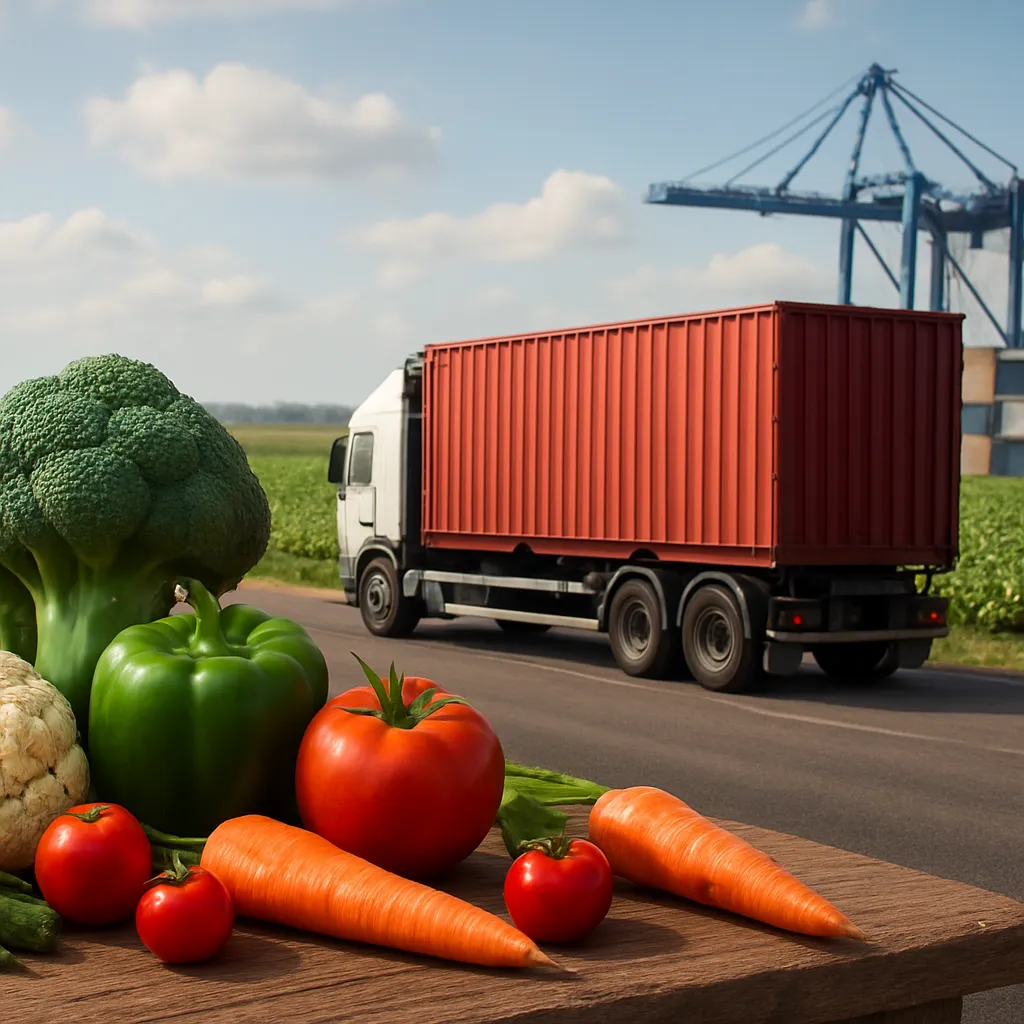
Rising labor costs reverberate through supply chains. Processors, distributors, and retailers feel downstream impacts as producers adjust volumes, timing, and quality of supply. This dynamic can lead to tighter contracts, shifts in sourcing patterns, and greater emphasis on vertical integration to control labor costs more effectively across the chain.
Contract farming and consolidation
To manage labor uncertainty, firms may pursue contract arrangements that specify labor responsibilities, pricing, and risk-sharing. Larger companies may integrate vertically to internalize labor management and spread fixed costs over larger output. Consolidation trends can squeeze smallholders unless they secure cooperative arrangements, niche markets, or services that help them compete.
Consumer impacts and fairness concerns
When labor-driven cost increases reach consumers, price-sensitive buyers may reduce consumption or switch to cheaper alternatives. There are also equity considerations: who bears the cost—workers, farmers, or consumers? Policies that raise wages without complementary measures (training, subsidies, or technology support) may lead to unintended losses in employment or farm viability.
Environmental and sustainability trade-offs
Decisions made in response to labor cost pressures affect environmental outcomes. Mechanization and consolidation can lead to intensified production that boosts yields per hectare but may increase energy use and greenhouse gas emissions if not paired with sustainable practices. Conversely, labor-intensive, diversified systems can deliver environmental benefits like biodiversity and soil health but become less viable when labor prices rise.
Paths to reconciling productivity and sustainability
- Adopting agroecological methods that reduce labor where possible while enhancing ecosystem services.
- Investing in energy-efficient machinery and renewable-powered automation to lower emission footprints.
- Supporting innovation in crop and system design to make mechanization compatible with conservation goals.
Balancing these objectives requires careful policy and market incentives that reward both efficiency and stewardship.
Policy responses and institutional roles
Public policy profoundly shapes how agriculture adapts to rising labor costs. Governments can mitigate negative outcomes and amplify benefits through a range of interventions focused on workforce development, technology diffusion, income support, and regulatory design.
Key policy instruments
- Training and extension services to equip farmers and workers with skills for mechanized systems and precision agriculture.
- Targeted subsidies or tax incentives for investments in labor-saving equipment, especially for small and medium farms.
- Flexible labor policies—such as seasonal worker programs designed to be fair and administratively efficient.
- Support for rural infrastructure and digital connectivity to enable remote sensing, telemaintenance, and platform-based coordination.
Policy must be attentive to distributional effects. For instance, subsidies that disproportionately benefit large farms can accelerate consolidation. Measures that promote cooperative ownership of equipment or public-private partnerships for shared services can help smallholders remain competitive while controlling labor costs.
Strategies for farmers: adaptation and resilience
At the farm level, a combination of tactical and strategic responses enhances resilience. Short-term tactics include reshaping work schedules, hiring temporary help during peaks, and improving labor productivity through better management. Long-term strategies encompass diversifying income sources, investing in mechanization and automation, adopting high-value crops that can absorb labor costs, and engaging in cooperative models for labor and equipment sharing.
Practical measures
- Implement workforce training programs focused on multi-skilling and safety to increase productivity.
- Use labor-monitoring tools to optimize task allocation and minimize downtime.
- Explore contract growing or forward contracts to secure prices and share risks.
- Strengthen relationships with processors and retailers to gain better information about demand and timing.
These measures can help farms remain viable even as input cost structures evolve. Emphasis on adaptive capacity—access to finance, networks, and knowledge—determines which farms will thrive under rising labor costs.
Looking ahead: scenarios and research needs
Multiple future scenarios are plausible. In one, rapid technological adoption combined with supportive policies leads to highly mechanized, efficient systems with fewer on-farm jobs but higher per-worker productivity. In another, sustained labor shortages push production to regions with more affordable labor or foster radical redesign of cropping systems. Each scenario carries implications for food security, rural livelihoods, and environmental outcomes.
To make informed choices, stakeholders need improved data on labor use by commodity and region, cost-benefit analyses of technology adoption for different farm sizes, and longitudinal studies on social impacts. Research that integrates economics, agronomy, engineering, and social sciences will be essential to craft policies that balance labor rights, farm viability, and environmental goals.