The strawberry market occupies a distinctive place within agricultural value chains: a high-value, perishable fruit whose economics are shaped by biological cycles, consumer tastes and rapidly shifting environmental conditions. This article examines seasonal dynamics that shape production and trade, explains methods used in market forecasting, and outlines strategies producers, traders and policymakers can use to manage volatility and strengthen resilience. Emphasis falls on how weather, technology and logistics interact to determine farm-level decisions and retail prices, and why timely, accurate seasonal insight can make the difference between profit and loss in a single harvest window.
Production cycles, seasonality and supply dynamics
Strawberries are plant-driven commodities whose calendar is dominated by biological timing. Photoperiods, winter chilling, and spring warming determine flowering and fruit set, and those climatic signals in turn govern the length of harvests and the concentration of supply to markets. Producers must plan months in advance for planting, cultivar selection, irrigation and pest control. Because strawberries ripen quickly and have a short shelf life, a small shift in harvest dates can create large local swings in market supply that ripple through wholesale and retail channels.
Key agronomic and market features that characterize strawberry seasonality include:
- Early-season crops (protected culture or warm-climate regions) that supply markets in late winter and early spring, often commanding premium prices.
- Peak-season domestic harvests in late spring and early summer, which can depress prices if demand is not equally strong.
- Late-season and fall harvests from certain cultivars or regions, which can smooth supply but are vulnerable to weather extremes.
Seasonality interacts with global trade to shape availability. Imports can fill gaps when domestic production is off-season, yet they introduce exposure to exchange-rate moves, trade policy changes and logistic disruptions. For growers, the calendar is a strategic tool: staggered plantings, multiple cultivars and greenhouse technologies are used to manage the timing of production and reduce exposure to deep price troughs.
Market signals, pests and yield risks
Beyond timing, strawberries are sensitive to a suite of on-farm risks. Weather extremes—late frosts, heat waves and heavy rains—affect pollination, fruit quality and shelf life. Biological threats such as fungal diseases, viral infections and insect pests can wipe out entire plantings if not detected early. Risk translates directly into variability in yield and quality, which complicates planning for processors, fresh-market packers and supermarkets.
Effective seasonal planning requires continual monitoring of:
- Field conditions and pest outbreaks through scouting and integrated pest management (IPM).
- Soil moisture and irrigation scheduling, particularly under water-constrained conditions.
- Quality metrics such as sugar content and firmness that determine market class and retail routing.
When risks materialize, markets respond quickly. A localized pest outbreak during the peak harvest week can remove supply from a major packing shed, tightening nearby markets and causing short-term price spikes. Conversely, a bumper crop in several producing regions can depress prices for weeks, creating stress for farms with higher production costs. Managing these swings requires both agronomic resilience and financial tools such as contracts, forward sales and crop insurance.
Seasonal forecasting methods and data sources
Forecasting for the strawberry market blends agronomic models with economic analytics. Forecasters use multiple data streams to predict both physical production and market outcomes, including:
- Remote sensing and satellite data that indicate growing-area health and vegetative indices.
- Weather and climate forecasts that influence phenology, frost risk and irrigation demand.
- On-the-ground reports from cooperatives, packers and extension services about planting intentions and observed fruit set.
- Market data such as futures (where available), wholesale prices and retail scanning data that reveal demand patterns.
There are several modeling approaches commonly employed:
- Statistical time-series models that extrapolate seasonal patterns from historical price and production data.
- Process-based crop models that simulate plant development stages as functions of temperature, sunlight and water.
- Machine-learning models that fuse heterogeneous data — satellite imagery, weather forecasts, market indicators — to produce probabilistic projections.
A robust seasonal forecast will incorporate both short-term (weekly-to-monthly) and medium-term (seasonal) horizons. Short-term forecasts are critical for logistics and retail promotions: they inform shipping schedules, cold-storage allocation and price promotions to reduce spoilage. Medium-term seasonal forecasts help growers decide planting windows and investment in season-extension technologies such as high tunnels and supplemental lighting.
Demand drivers and consumer behavior
Demand for strawberries is driven by seasonality in consumer preferences, health trends and retail promotions. Strawberries are often purchased for immediate consumption or short-term use, and demand can spike around holidays, school calendars and media-driven recipe trends. Retailers use promotions and category management to shift demand across weeks, absorbing some supply variability but sometimes amplifying volatility when promotions coincide with unexpected supply changes.
Understanding demand requires data from multiple sources:
- Point-of-sale (POS) and scanner data that reveal price elasticity and response to promotions.
- Consumer surveys and social-media sentiment that detect emerging flavor or format preferences (e.g., organic, ready-to-eat packs).
- Macro-economic indicators such as disposable income and inflation that influence consumer willingness to pay for premium fruit.
When demand weakens during a period of high supply, prices fall rapidly because strawberries are perishable and storage options are limited. Conversely, strong demand during constrained supply can sustain high retail prices and favor imports or processed uses such as preserves.
Trade, logistics and cold-chain considerations
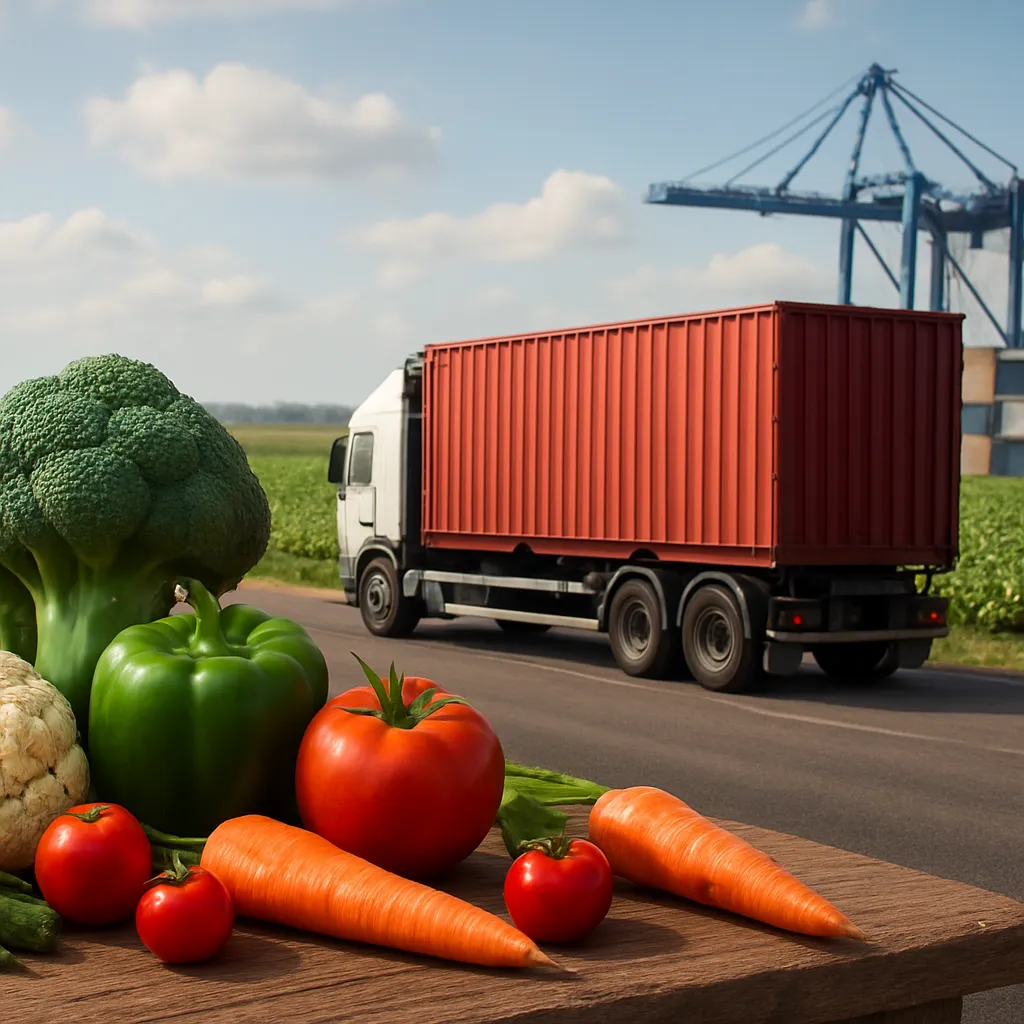
Because fresh strawberries lose quality quickly, a reliable cold chain is fundamental to linking seasonal production to distant markets. Temperature control from harvest through packing, transport and retail shelving preserves shelf life and reduces losses. Logistics disruptions—truck shortages, port congestion or labor constraints—can amplify seasonal price swings even when production is normal.
Key logistics elements to manage seasonal risk:
- Flexible transport contracts and diversified shipping routes to handle sudden shifts in sourcing.
- Investment in packing-house refrigeration and rapid post-harvest cooling to extend marketability.
- Coordination with retailers on delivery windows and inventory turns to reduce spoilage and mismatched expectations.
International trade provides a cushion against regional seasonality but introduces exposure to tariffs, phytosanitary rules and exchange-rate movements. For instance, lower-cost imports during off-season months can keep retail shelves full but may reduce domestic grower margins and affect long-term local production decisions.
Risk management, policy and adaptation strategies
Managing the seasonal strawberry market requires a mix of agronomic, financial and policy tools. At the farm level, strategies include planting diverse cultivars, employing season-extension structures and adopting precision irrigation and IPM to stabilize yield. Financial instruments such as forward contracts, cooperative marketing and crop insurance can smooth income across variable seasons.
Policy interventions can also be important during acute disruptions. Governments and industry groups may provide:
- Early-warning systems and extension services to disseminate pest alerts and frost warnings.
- Support for cold-chain infrastructure investments to reduce post-harvest losses and expand market reach.
- Temporary trade measures or emergency purchase programs to stabilize rural incomes after catastrophic crop failures.
At a strategic level, adaptation to long-term shifts in climate and markets is essential. Practices that build resilience include improved water management, breeding programs for heat- and disease-resistant cultivars, and diversification into processing or value-added products that are less perishable. Institutional adaptation involves better data sharing across the supply chain and investment in analytics that translate weather forecasts into actionable planting and marketing plans.
Technology, innovation and future outlook
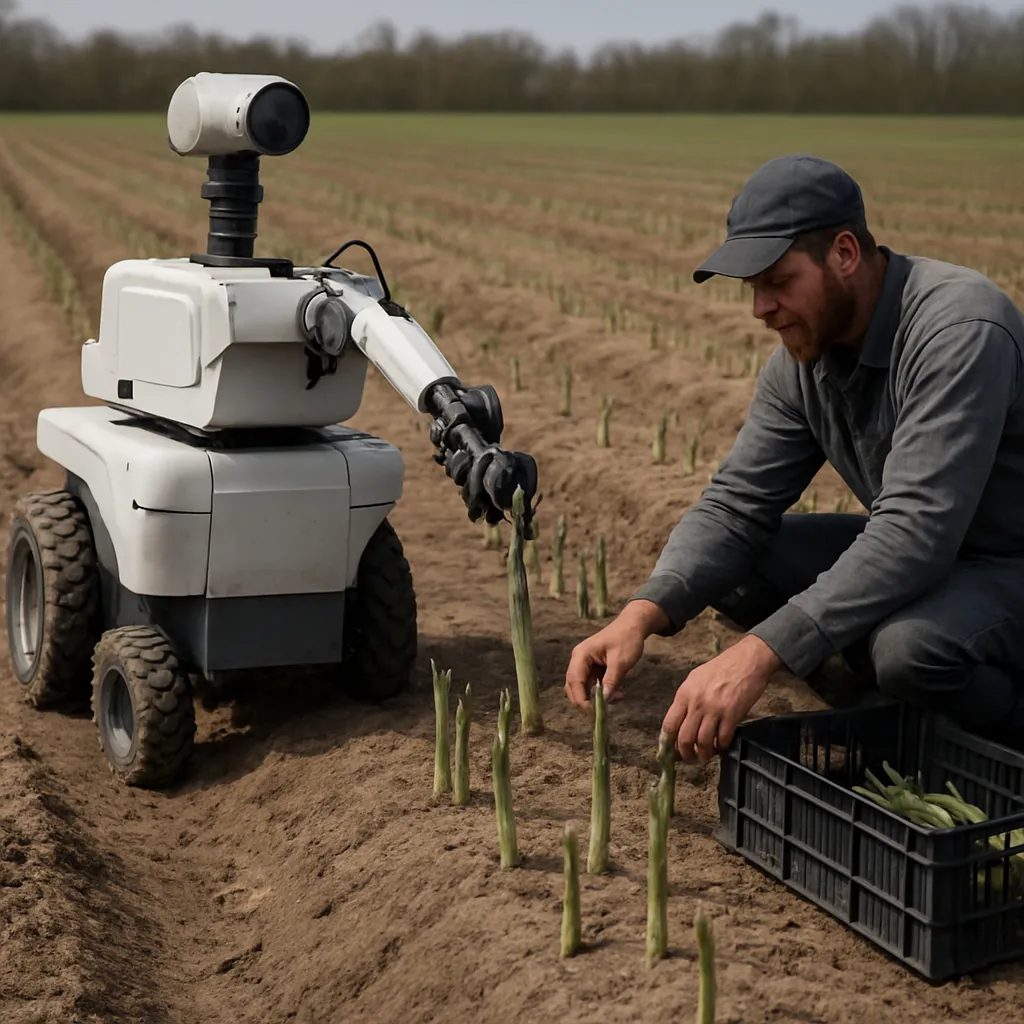
Technological innovation is reshaping how seasonal signals are captured and acted upon. Precision agriculture tools—soil sensors, automated irrigation systems and drone imagery—allow growers to optimize inputs and respond rapidly to localized stress. In the marketplace, near-real-time price and inventory data enable smarter promotional timing and sourcing decisions.
Promising trends that will influence future seasonal forecasting and market behavior include:
- Integration of climate-model outputs with crop-specific phenology models to predict shifts in harvest windows several months ahead.
- Greater use of blockchain and traceability systems to coordinate supply chains and reduce information asymmetries between growers and retailers.
- Expansion of controlled-environment agriculture to extend seasons and reduce dependence on climate-sensitive outdoor yields.
Ultimately, the interplay of climate variability, technological adoption and market adaptation will determine the resilience of the strawberry sector. Those actors who combine sound agronomy with robust data and flexible logistics will be best positioned to manage seasonal swings and capture value through the entire supply chain.
Practical recommendations for stakeholders
To make seasonal forecasts actionable, stakeholders should focus on data integration, timely communication and flexible contracts. Specific steps include:
- Establishing regular data-sharing routines between growers, packers and retailers to align expectations before and during the harvest window.
- Investing in seasonal forecasting tools that merge weather outlooks with phenological models and market indicators.
- Designing procurement contracts with contingency clauses for quality and timing, and developing secondary markets for surplus fruit (processing or donation) to reduce losses.
Effective market management recognizes that seasonal forces cannot be eliminated, but they can be anticipated and mitigated. Attention to biological cycles, coordinated logistics and informed adaptation strategies will help the strawberry sector deliver quality fruit to consumers while sustaining farm viability and market stability.