The global bell pepper sector stands at the intersection of traditional production practices and rapid modernization. This article examines major market forces, logistical frameworks, consumer behavior, and emerging innovations shaping the future of the pepper industry. It highlights the economic, environmental, and technological drivers that influence growers, distributors, retailers, and policy makers, and outlines how these factors are likely to reshape trade, prices, and farm-level decisions over the coming decade.
Global market dynamics and trade flows
Bell pepper markets are characterized by pronounced seasonal cycles, regional specialization, and a growing volume of cross-border trade. Major producing regions include parts of Central and South America, southern Europe, China, and increasingly controlled-environment production in North America. Seasonal export surges from major suppliers create windows of abundant supply that drive down prices, while off-season reliance on imports increases market volatility.
Market concentration varies by region. Some countries maintain vertically integrated supply chains in which large agribusinesses handle everything from seed selection to retail logistics. Other regions rely on smallholder farms and local cooperatives, which can limit scale but provide resilience and diversified varietal portfolios. Global demand remains robust, driven by rising incomes, urbanization, and the integration of peppers into processed foods and prepared meal markets.
Production systems, yields and supply chain resilience
Growing systems and yield drivers
Bell peppers are produced in a variety of systems: open-field cultivation, high tunnels, and fully controlled greenhouses. Yield is influenced by genetics, agronomic practices, and environmental control. Improved varieties and better access to inputs have raised per-hectare yield in many producing countries, but yield gains are not uniform and depend on farm-level management skills and capital availability.
Postharvest handling and logistics
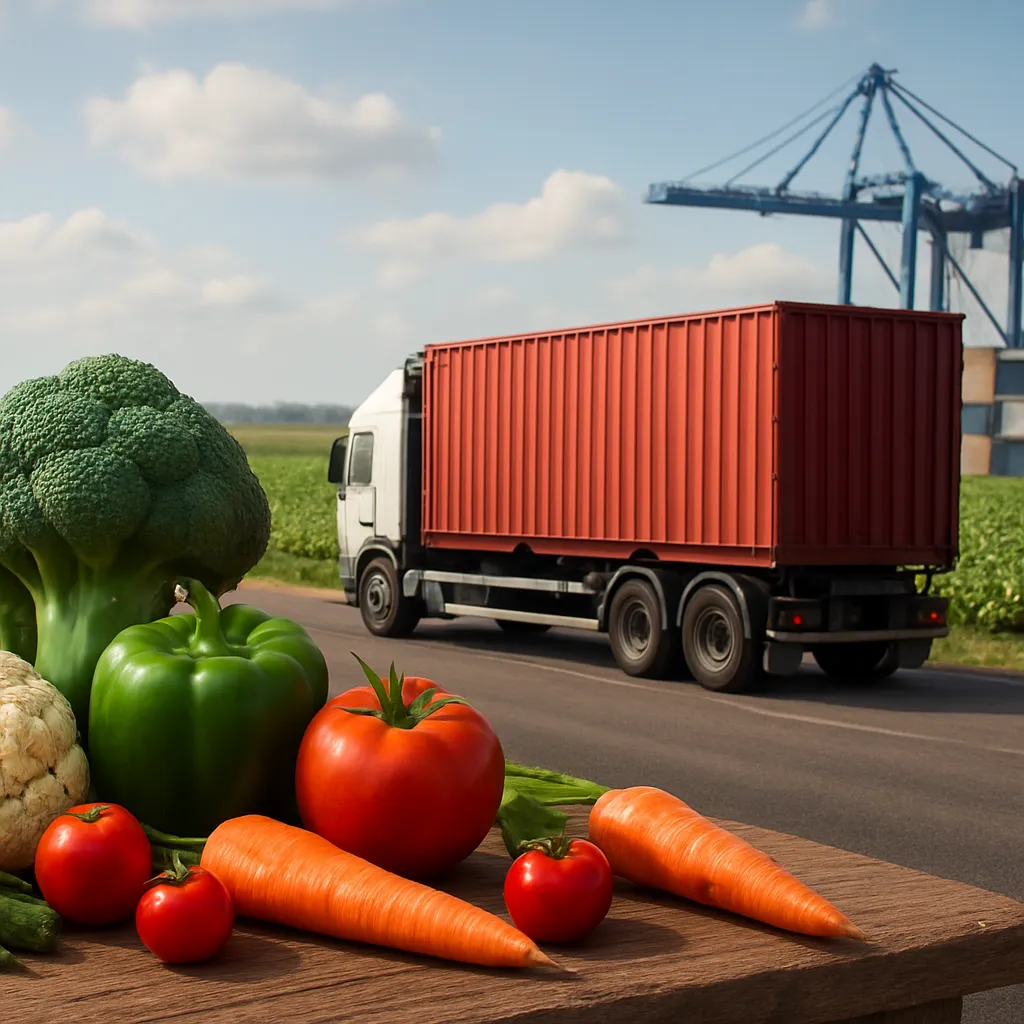
Postharvest losses remain a critical challenge for the industry. Efficient cold chains, rapid cold storage at harvest, and optimized packing lines reduce weight loss and preserve quality—critical to accessing higher-value export markets. Investment in refrigerated transport and packhouse technologies strengthens the ability of suppliers to meet strict quality standards in supermarkets. Strengthening the link between growers and distribution centers reduces time to market and helps stabilize local supply.
Resilience to shocks
The sector’s resilience hinges on diversification of markets and logistics redundancy. Unexpected weather events, plant diseases, or trade disruptions can reduce the availability of peppers and inflate prices. Building flexible sourcing networks, regional processing capacity, and buffer inventories helps moderate volatility. Digital platforms that connect producers with buyers improve transparency and can shorten supply chains, benefiting smallholders by providing better market access.
Demand patterns, consumers and market segmentation
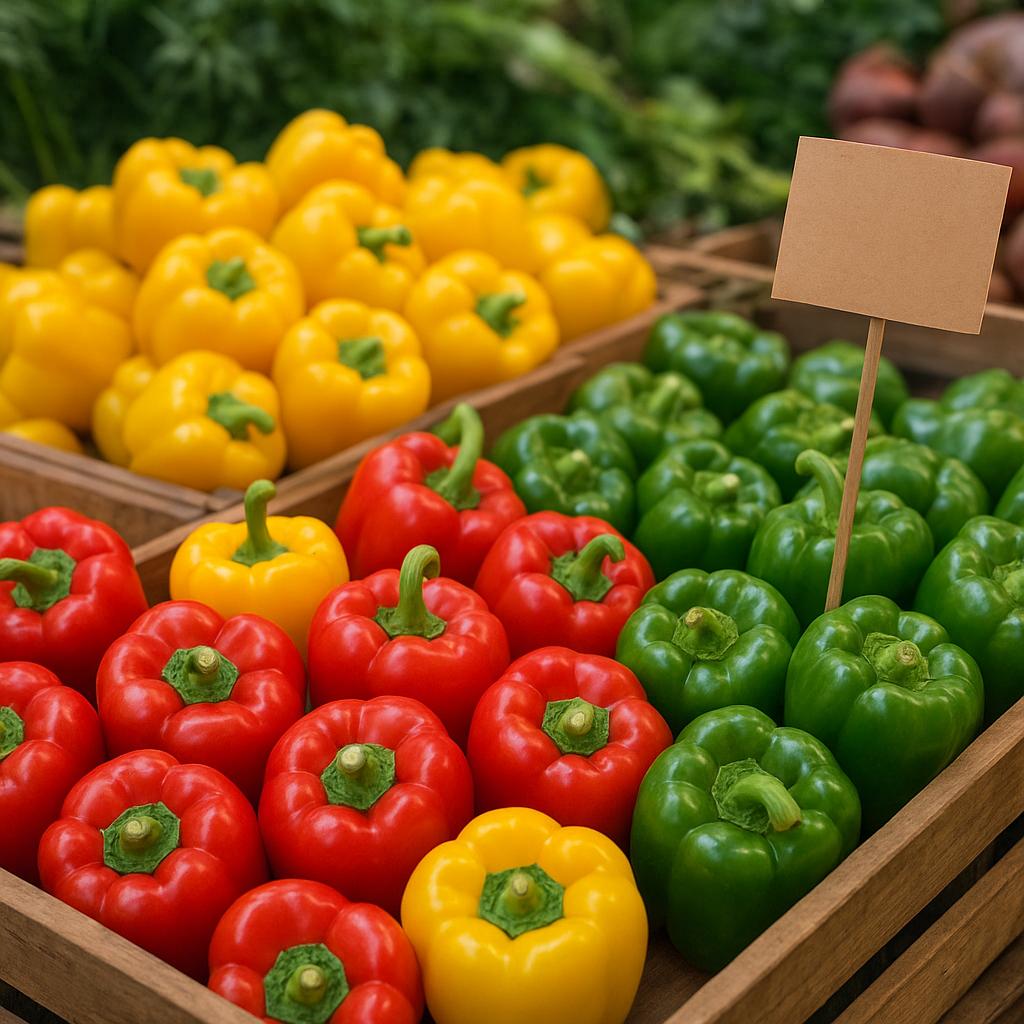
Consumer preferences shape product differentiation and marketing strategies. Fresh whole peppers, minimally processed cuts, and pre-packaged convenience packs each serve distinct market segments. Supermarkets and food service channels emphasize uniform appearance, shelf life, and food safety certifications, while direct-to-consumer and farmers’ markets prioritize variety, flavor, and local provenance.
Key demand drivers
- Consumer lifestyles: Urban consumers favor ready-to-eat and ready-to-cook formats.
- Health trends: Perceptions of peppers as nutritious vegetables increase household use.
- Culinary globalization: Rising popularity of international cuisines expands demand for diverse pepper varieties.
- Food processing: Demand from processors for peeled, diced, or pureed pepper products supports year-round production.
Price sensitivity is notable in many markets. While premium segments absorb higher costs for organic or specialty varieties, mass retail often competes heavily on price, which squeezes margins for producers lacking scale or certification. Retailer procurement strategies—contracts, spot purchasing, and private label programs—play a significant role in determining farmgate returns.
Sustainability, pests and climate impacts
Sustainability is a growing factor in buyer decisions and regulatory frameworks. Consumers and institutional buyers increasingly expect environmental stewardship, which includes efficient water use, reduced agrochemical inputs, and attention to soil health. Certification schemes for organic production and integrated pest management add market value but require investment in training and record-keeping.
Climate change presents both challenges and opportunities for bell pepper cultivation. Shifts in temperature and precipitation patterns alter growing windows and increase the risk of pest and disease outbreaks. Controlled-environment agriculture and protected systems mitigate climatic risk, reduce pesticide reliance, and can produce year-round supplies, though they require higher capital and energy inputs.
Pest and disease pressure
Common threats—such as bacterial spot, powdery mildew, and various insect vectors—force growers to adopt integrated approaches combining resistant varieties, biological controls, and targeted chemical use. Research into varietal resistance and alternative pest management is accelerating, supported by public and private research institutions. Effective pest control is tightly linked to both yield stability and quality standards demanded by export markets.
Technology, innovation and value chain modernization
Technological adoption is a major determinant of competitiveness. Innovations span from breeding to digital marketing:
- Breeding and genetics: New hybrids offer improved disease resistance, longer shelf life, and tailored color and size profiles that meet retailer specifications. These advances can increase production efficiency and reduce input needs.
- Controlled-environment systems: Greenhouses and vertical farms provide stable conditions for premium, out-of-season supply, increasing market access for producers with capital. Energy efficiency and renewable integration are priorities to lower operational costs.
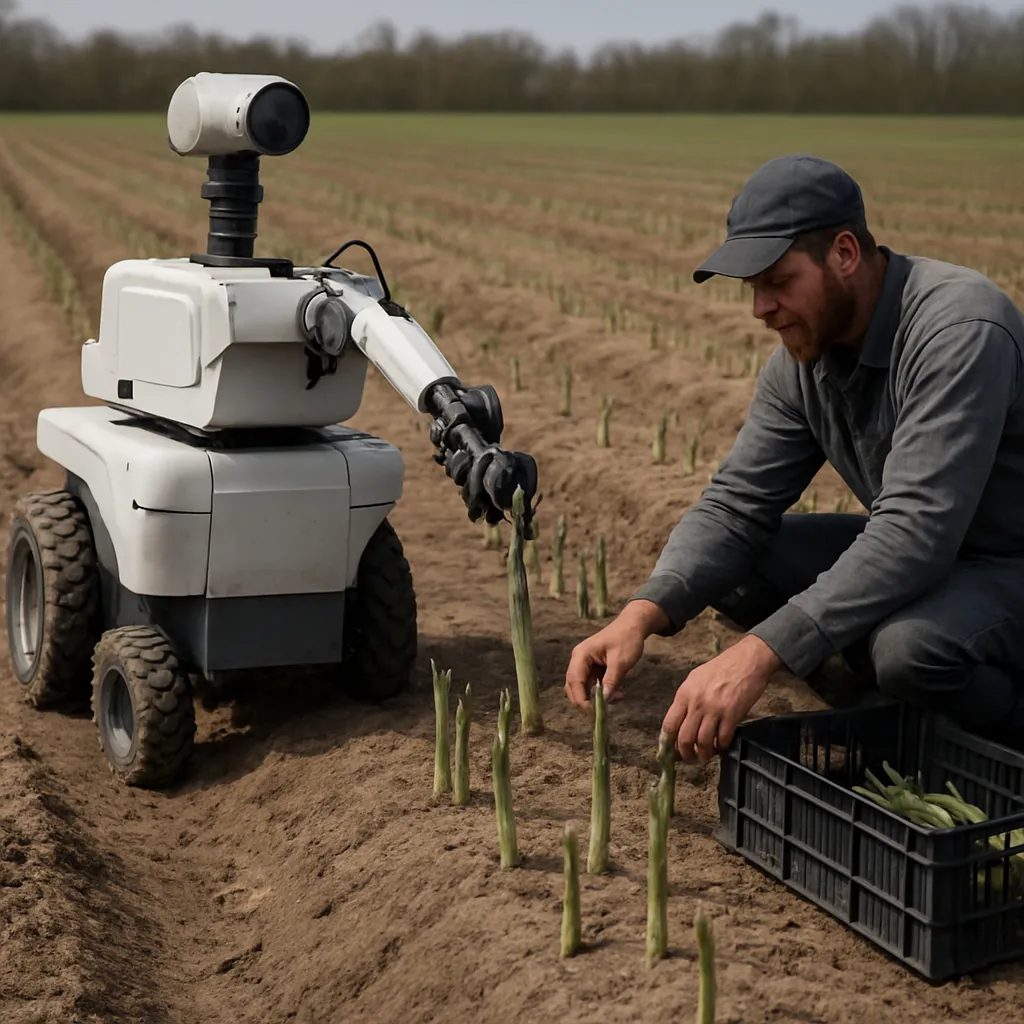
- Precision agriculture: Soil sensors, remote sensing, and data-driven irrigation reduce water use and input waste while optimizing plant health.
- Postharvest tech: Modified atmosphere packaging, better cooling technologies, and shelf-life extenders help maintain quality during transport.
- Digital platforms: Marketplaces and traceability systems improve price discovery and meet growing requirements for supply chain transparency.
Market access, policy and investment considerations
Trade policies, sanitary and phytosanitary regulations, and tariff regimes can dramatically alter export competitiveness. Compliance with quality and safety standards requires investment in testing and certification. Public policy that supports infrastructure—roads, cold chains, and research extension—enables small and medium producers to compete in higher-value markets. Private investment often flows into consolidated supply chains and technology-driven operations, while grant and loan programs can stimulate adoption among smaller farms.
Access to finance remains a bottleneck for many growers looking to upgrade to protected cultivation or to adopt advanced postharvest systems. De-risking instruments, contract farming arrangements, and aggregation models help mobilize capital and technical assistance. Cooperative structures that enable shared investment in packhouses and cold storage facilities can improve returns for members and strengthen regional marketing capability.
Outlook and strategic pathways for stakeholders
The bell pepper industry is likely to see continued segmentation: a high-volume, price-sensitive commodity channel and a premium channel focused on sustainability, traceability, and consistent quality. For producers, strategies that improve efficiency—through better genetics, integrated pest management, and improved postharvest handling—will be essential to maintain margins. For buyers and retailers, diversification of sourcing and investment in supplier relationships and transparency will reduce supply risk and support consumer trust.
Investments in technology and sustainability are not only market differentiators but also risk-management tools in an era of climate uncertainty. Policymakers and industry associations that promote research, support cold-chain infrastructure, and facilitate finance will accelerate sector modernization. The integration of digital traceability and e-commerce channels will continue to alter how peppers are marketed and consumed, shifting some value capture away from traditional intermediaries toward integrated suppliers and branded products.
Key challenges and opportunities
- Challenge: Managing seasonal volatility and price swings without eroding farm incomes.
- Opportunity: Developing year-round supply through protected cultivation and strategic imports.
- Challenge: Meeting stringent food safety and sustainability standards at acceptable cost.
- Opportunity: Capturing premiums for certified and value-added pepper products.
- Challenge: Ensuring smallholders access technology, finance, and market intelligence.
- Opportunity: Aggregation, cooperative investment, and digital platforms that link producers to buyers.
By aligning investments in production efficiency, supply chain modernization, and market-oriented innovation, the bell pepper industry can navigate short-term disruptions while building long-term resilience. Stakeholders who prioritize quality, traceability, and environmentally responsible practices will be best positioned to capture growing consumer demand and to stabilize returns across diverse markets.