The global cabbage market represents a fascinating intersection of traditional agriculture, modern supply chains and shifting consumer preferences. This article explores market dynamics, seasonal pricing patterns and practical strategies for producers, traders and policymakers navigating the cabbage value chain. By examining production cycles, storage technologies, demand drivers and price formation mechanisms, readers will gain an informed perspective on how seasonality and market structure shape outcomes for stakeholders from farm to fork.
Market overview and production fundamentals
Cabbage is a widely cultivated vegetable with major production centers in Asia, Europe and the Americas. Its relative hardiness and adaptability to different climates make it a staple crop for smallholders and commercial farms alike. Key market features include the crop’s short growing cycle, potential for multiple harvests per year in some regions, and a high degree of seasonality that affects both supply and prices.
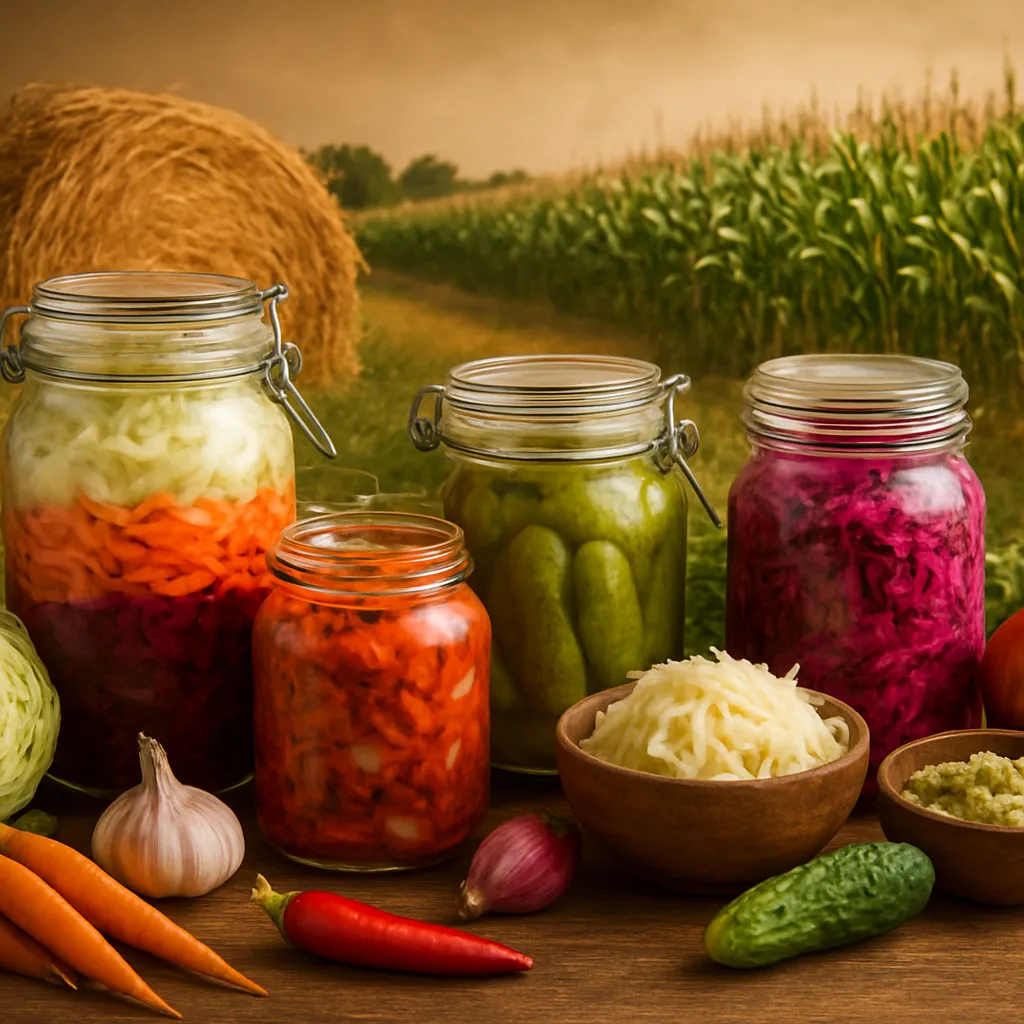
Global trends in consumption are influenced by dietary preferences, preservation techniques, and the rise of processed products such as fermented cabbage (sauerkraut, kimchi) and frozen forms. These processed markets can stabilize demand to some extent, offering alternative outlets when fresh-market prices fall. Trade flows are shaped by comparative advantages: countries with lower production costs export fresh and processed cabbage, while importers tend to be regions with shorter growing seasons or high domestic demand concentrated in the off-season.
Production factors
- Variety selection: Hybrid and open-pollinated cultivars differ in yield, storage life and market suitability.
- Input costs: Fertilizer, labor and irrigation are the main cost drivers, and feed directly into the break-even price for producers.
- Climate and pests: Temperature extremes, excessive rainfall and pest pressure can cause localized supply shocks.
- Farm scale and technology: Mechanized operations reduce unit costs but require capital; smallholders rely on manual labor and local markets.
Understanding these fundamentals helps explain why price cycles occur and why different actors in the supply chain experience varying margins and risks. For instance, regions with advanced cold-storage capacity can smooth supply and command better prices during lean months, highlighting the role of infrastructure in converting production into profit.
Seasonal pricing dynamics and price formation
Seasonality is the dominant force in cabbage pricing. Prices typically fall during the harvest season when supply surges, then rise during the off-season when stored stocks deplete and fresh supplies become scarcer. The amplitude and timing of price swings depend on the local climate, the availability of storage facilities, and the presence of processing demand that can absorb excess production.
Price formation results from the interaction of supply-side cycles and demand-side factors. On the demand side, consumption patterns linked to holidays, foodservice demand and cultural practices (e.g., increased consumption of fermented cabbage in winter in some cultures) can create predictable peaks. On the supply side, planting calendars, weather events and pest outbreaks affect the timing and volume of harvested cabbage.
Key drivers of seasonal price variation
- Planting and harvest windows: Short, concentrated harvest periods create harvest gluts unless staggered planting is used.
- Storage loss rates: Without adequate cooling and humidity control, cabbage deteriorates, reducing effective supply.
- Processing capacity: Large-scale processors can buy excess at low prices and convert it into shelf-stable products, supporting farm prices mid-season.
- Transport and logistics: High transportation costs in remote areas magnify local price differences.
- Market concentration: Few large buyers (wholesalers or processors) can exert downward pressure on farmgate prices.
Examples of seasonal patterns: In temperate zones, early spring months often show high prices due to limited local supply and dependence on stored produce. Late summer and early autumn, following peak harvests, typically bring the lowest prices. However, regions with year-round production or significant imports may have flattened seasonal curves, though price volatility can still occur due to extreme weather or policy-driven trade barriers.
Storage, logistics and the value chain
Effective storage and logistics transform seasonal surpluses into marketable supply during lean periods, thereby reducing price volatility and improving returns for producers. Cold-chain investment—refrigerated storage rooms, controlled-atmosphere technology and efficient transport—plays a central role in maintaining quality and extending shelf life.
Storage technologies and post-harvest handling
- Traditional methods: Underground cellars and simple cool rooms can preserve cabbage for several months if humidity is managed.
- Modern solutions: Refrigerated warehouses and controlled-atmosphere storage slow respiration and microbial growth, preserving texture and flavor.
- Processing as storage: Converting cabbage into pickled or fermented forms provides a low-cost, value-added means of storing calories and capturing different market segments.
Logistics efficiency also matters. Faster time-to-market reduces waste and preserves quality, enabling producers to reach higher-paying retail and export channels. Conversely, inadequate roads or seasonal transport bottlenecks can create local gluts and depressed prices despite national or global shortages.
Value chain participants and margins
- Producers: Capture the first margin but bear most production and climatic risks.
- Traders/wholesalers: Aggregate, grade and distribute volumes; their bargaining power varies with market fragmentation.
- Processors and retailers: Add value and manage inventory, often earning steadier margins.
- Exporters and logistics providers: Link domestic markets to international demand and capture margins tied to trade services.
Improving coordination among these actors through contracts, forward-selling and cooperatives can reduce information asymmetry and give producers more predictable incomes. For example, producer cooperatives that invest in shared storage can collectively capture a greater share of seasonal upside by selling into higher-price months.
Risk management, policy and market interventions
Several tools exist to mitigate price risk and improve market functioning. From a policy perspective, targeted interventions can stabilize farmer incomes without creating dependency or market distortions. On the private side, risk management instruments and better market information empower producers and traders to make more informed decisions.
Policy options
- Investment in rural infrastructure: Roads, cold storage and market facilities reduce transaction costs and spoilage.
- Support for research and extension: Developing high-yield, long-storage varieties and training on post-harvest techniques raises effective supply and quality.
- Market information systems: Price reporting and demand forecasts reduce information gaps and blunt the power of intermediaries.
- Carefully designed subsidies or insurance schemes: Crop insurance can transfer weather risk while targeted subsidies for storage investment can encourage supply smoothing.
Interventions should be evidence-based. For instance, indiscriminate export bans to keep domestic prices low often backfire by disincentivizing production and creating volatility. A balanced approach focuses on resilience—building the capacity of farms and local markets to respond to shocks while maintaining open trade where it supports price stability.
Practical strategies for farmers, traders and retailers
Actors along the cabbage value chain can adopt several practical tactics to manage seasonal variability and improve profitability.
Strategies for producers
- Stagger planting dates to spread harvests and avoid severe price troughs at peak supply.
- Invest in basic post-harvest handling and cooperative storage to extend market opportunities.
- Explore value addition: drying, freezing or fermenting to access different markets and lengthen shelf life.
- Use contract farming or forward contracts with processors and retailers to lock in prices and reduce marketing risks.
Strategies for traders and retailers
- Develop flexible procurement: blend local purchases with imports to manage supply gaps cost-effectively.
- Invest in rapid grading and cold logistics to maintain quality and reduce spoilage losses.
- Use dynamic pricing and promotional strategies around seasonal peaks to balance inventory and consumer demand.
Across the value chain, better forecasting and data analytics can sharpen decision-making. Price models that incorporate seasonal indices, weather forecasts and storage decay rates can help predict optimal purchase and sale times. In many markets, digital platforms are emerging that connect growers to buyers and provide near-real-time price signals, improving transparency and market efficiency.
Emerging trends and future outlook
Several broader trends will shape the cabbage market in coming years. Climate change introduces more frequent weather extremes, making traditional planting calendars less reliable and increasing the value of resilient varieties and robust storage systems. Urbanization and changing diets will affect demand patterns, with urban consumers often preferring convenience formats and year-round availability.
Technological advances—improved seed genetics, low-cost cold storage innovations and digital marketplaces—offer practical pathways to reduce the negative effects of seasonality and raise producer incomes. Meanwhile, policy frameworks that promote investment in infrastructure and market transparency can amplify these private-sector solutions.
Ultimately, the dynamics of the cabbage market exemplify broader agricultural themes: how supply and demand rhythms interact with infrastructure, technology and policy to determine prices and livelihoods. Stakeholders who combine agronomic knowledge with market intelligence and strategic investment are best positioned to capture value throughout the cycle, turning seasonal challenges into opportunities for growth and resilience.