Dairy farming sits at the intersection of traditional agricultural practice and rapid technological change. This article explores how emerging tools and systems are reshaping production, markets and policy across the global dairy sector. It examines the on-farm transformations driven by digital and mechanical advances, the market forces and supply chain innovations that influence profitability, and the environmental and regulatory pressures that guide investment decisions. Emphasis is placed on practical examples and strategic considerations for producers, cooperatives and agribusinesses navigating a period of intense adaptation and opportunity.
On-farm technologies changing production dynamics
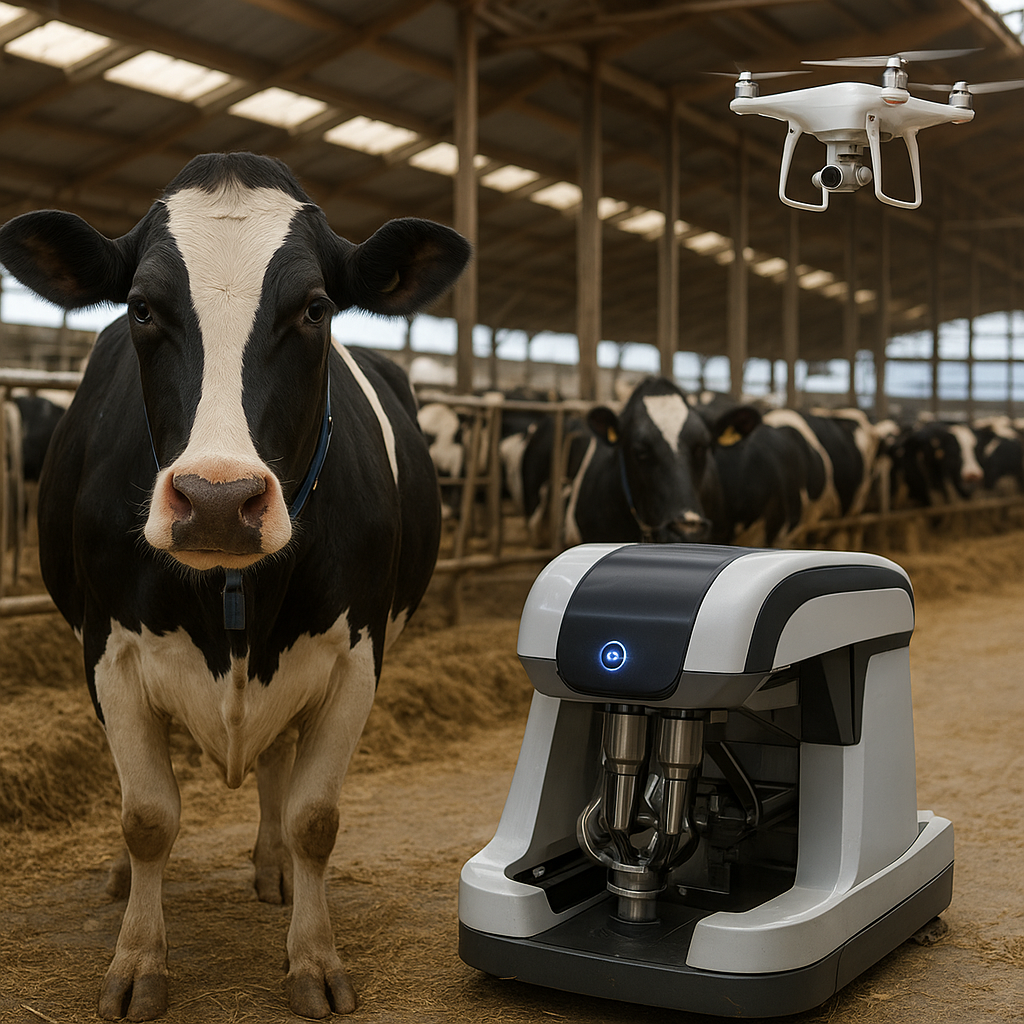
Modern dairy operations increasingly rely on a combination of mechanization and data-driven decision-making. Milking parlors and parlourless systems are being upgraded with automation that reduces labor costs and improves milking consistency. Robotic milkers and automatic feeders allow farms to operate with fewer repetitive tasks, freeing managers to focus on herd health and business planning. At the same time, implantable and wearable devices provide continuous monitoring of individual animals, creating a network of information previously unavailable to producers.
Robotics, sensors and precision management
Robotic milking machines, automated feed pushers and robotic manure scrapers are now common on mid- to large-scale farms in many regions. These pieces of equipment are paired with an array of sensors measuring temperature, rumination, activity, milk yield and somatic cell counts. The integration of sensor data enables precision interventions: tailored feeding, targeted veterinary treatment and optimized breeding windows. Precision technologies help reduce waste, improve reproductive performance and extend productive lifespans of cows.
Data analytics and decision support systems
Raw data must be converted into actionable insight. Cloud-based platforms and on-farm software apply analytics and machine learning to generate alerts, predict disease risk and recommend herd management strategies. Decision-support tools can simulate outcomes of nutrition changes, milking frequency adjustments or breeding selections. As a result, producers are able to prioritize investments that yield the highest return per animal and reduce variability in herd performance.
Genomics and breeding
Advanced genetic testing and selection methods accelerate improvements in milk composition, disease resistance and fertility. Genomic evaluation shortens generation intervals and helps farmers select sires and dams with traits aligned to market demands and environmental constraints. Integration of genomic data with production records allows for more precise genetic progress while also helping to manage inbreeding and maintain herd robustness.
Market dynamics: pricing, supply chains and trade
The economic environment for dairying is driven by global demand patterns, input cost fluctuations and policy interventions. Dairy commodities—milk powder, butter and cheese—are traded on international markets where prices respond to supply shocks, currency movements and feed price volatility. Producers must balance short-term cash flow concerns with long-term investments into capital-intensive technologies that improve efficiency and lower per-unit costs.
Price signals and producer response
Milk price volatility often prompts changes in production scale and herd size. When margins compress due to rising feed costs or depressed commodity prices, some producers delay technology adoption, while others seek efficiency gains through investment. The adoption of on-farm sensors and automated systems can increase resilience by improving feed conversion and lowering labor dependency, yet upfront capital remains a substantial barrier.
Supply chain integration and value capture
Traceability, quality assurance and differentiated product lines are becoming tools for capturing greater value. Blockchain and digital traceability systems are being used to verify origin, animal welfare standards and environmental claims—enabling premium pricing for certified products. Cooperatives and processors that invest in shared digital platforms can improve logistics, reduce spoilage and enhance market access for smallholders by providing aggregated quality data.
Trade policy and global shifts
Trade agreements, tariffs and sanitary regulations shape access to international markets. Export-dependent dairy sectors must comply with varying regulatory regimes and consumer expectations. For example, markets with growing demand for high-protein dairy or lactose-free products create opportunities for producers that can adjust herd management and milk processing accordingly. Geopolitical events and regional trade agreements continue to alter comparative advantages between dairy-producing nations.
Sustainability, regulation and consumer trends
Environmental concerns and consumer preferences are powerful drivers of change in dairy farming. Public and corporate commitments to reduce greenhouse gas emissions, protect water quality and ensure humane treatment of animals are prompting both technological innovation and new supply chain practices. Farms that demonstrate measurable improvements in sustainability metrics often gain market access and brand advantages.
Methane mitigation and nutrient management
Enteric methane and manure management are primary environmental issues. Dietary additives, improved genetics and feed formulation can lower methane emissions per liter of milk. Technologies such as anaerobic digesters convert manure into biogas, providing renewable energy and reducing odor and pathogen loads. Nutrient management software, supported by field sensors and GPS, helps optimize fertilizer application, limiting runoff and improving pasture health.
Animal welfare and consumer expectations
Consumers increasingly demand transparency regarding animal husbandry practices. Welfare certification schemes and public reporting require farms to demonstrate compliance with standards on housing, medical treatment and humane handling. Farms employing sensors and video monitoring can document compliance and gather evidence for supply chain partners. Emphasizing animal welfare is not only an ethical imperative but a commercial advantage in many retail channels.
Policy, subsidies and compliance costs
Regulatory frameworks vary widely. Subsidies and incentives for sustainable practices can accelerate adoption of carbon-reducing technologies; conversely, new compliance costs may strain smaller producers. Policymakers balancing environmental goals with rural livelihoods must design programs that support technological diffusion while avoiding unintended consolidation of farms due to rising capital requirements.
Implementation challenges and business models
While the technological potential is significant, successful implementation depends on financing, skills, connectivity and appropriate business models. Adoption rates differ across regions and operation sizes. Farmers need access to affordable capital, extension services and reliable digital infrastructure to capture benefits.
Financing and return on investment
High upfront costs for robotics, sensors and software can deter adoption despite favorable long-term payback. Leasing models, equipment-as-a-service and cooperative purchasing arrangements lower barriers. Public–private partnerships and targeted grants for sustainability outcomes can de-risk investment. Detailed economic modeling that accounts for labor savings, improved productivity and potential premium pricing is essential to justify capital expenditures.
Skills, training and advisory services
Technological systems require new skills in data interpretation, equipment maintenance and cybersecurity. Extension agents, veterinarians and feed advisors must be trained in digital tools to support producers effectively. On-farm trials and demonstration farms play a critical role in translating abstract benefits into concrete operational practices that local producers can emulate.
Connectivity and digital infrastructure
Rural broadband availability remains a bottleneck in many regions. Reliable connectivity is necessary for real-time monitoring, remote diagnostics and cloud-based analytics. Where internet infrastructure is weak, edge-computing solutions and local data hubs can provide interim functionality, but broader investment in rural connectivity is vital for long-term modernization.
Market access strategies and supply chain innovation
Beyond the farm gate, producers and processors must navigate shifting consumer preferences, concentrate on value-added products and find efficient routes to market. Collaborative approaches and technological platforms facilitate better coordination across the value chain.
- Product differentiation: Specialty cheeses, organic milk, and carbon-neutral labels allow farmers to command premiums.
- Digital marketplaces: Platforms that connect producers directly to retailers or consumers reduce intermediaries and improve margin capture.
- Cooperative data sharing: Aggregated performance and quality data strengthen negotiating positions with buyers and enable pooled investments in processing facilities or certifications.
Case examples and practical lessons
Across different geographies, certain patterns emerge. In high-cost labor regions, automation and robotics adoption accelerates. Where feed is the largest cost driver, precision feeding and herd genetics become priority investments. In markets with stringent traceability requirements, implementing digital traceability systems earlier yields competitive advantage. Smaller farms often benefit from shared services, such as mobile milking units, contract genetics, or cooperative-managed digesters.
Scaling innovations sensibly
Not every technology suits every operation. A phased approach—pilot testing, performance monitoring and incremental scaling—reduces risk. Strategic partnerships with technology vendors who offer training and maintenance support improve long-term outcomes. Maintaining a clear set of performance metrics linked to financial indicators helps managers decide when to expand or pivot.
Looking forward: strategic priorities for stakeholders
To fully harness technological change, stakeholders should coordinate across levels: farm, cooperative, processor, market and regulator. Key priorities include building resilient value chains, investing in rural digital infrastructure, aligning incentives for environmental performance and supporting farmer education. Emphasis on interoperability and data standards will ensure systems can be integrated rather than creating siloed solutions that limit producer choice.
- Encourage open data standards and interoperability so sensor and software systems communicate effectively.
- Promote financing mechanisms that spread risk and lower the barrier to entry for smaller producers.
- Design policy frameworks that reward demonstrable sustainability outcomes and foster innovation rather than imposing prohibitive compliance burdens.
- Strengthen market signals for quality, traceability and humane production so producers can capture value from investments.
Technological change in the dairy sector is not solely a matter of equipment—it’s a transformation of knowledge flows, market relationships and environmental responsibilities. Farms that connect technological innovation with clear market strategies and strong governance will be best positioned to thrive. Building capacity, investing in reliable infrastructure and fostering collaborative business models create the conditions for sustained improvement in productivity, profitability and sustainability. Producers who embrace continuous learning and adapt to evolving consumer and regulatory demands will enhance their resilience and long-term competitiveness.