The global expansion of legume cultivation represents one of the most significant shifts in modern agriculture and food systems. Increasingly recognized for their role in improving food security, diversifying diets, and enhancing environmental outcomes, legumes are at the intersection of **nutrition**, **climate resilience**, and market transformation. This article explores the drivers behind the rising production of legumes, examines regional market trends, and discusses agronomic, economic, and policy dimensions that shape the future of legume-based farming worldwide.
Drivers of Global Expansion
Several interlinked forces are accelerating the adoption and production of legumes across continents. Important among these are changing dietary preferences, heightened awareness of the environmental benefits of crop rotations with legumes, and technological advances that increase productivity. The capacity of legumes to contribute to soil health through nitrogen-fixation has placed them at the heart of sustainable intensification strategies, while the growing global demand for plant-based proteins has expanded commercial markets for pulses, soybeans, chickpeas, lentils, and peas.
Nutrition and demand shifts
Consumers in urban and rural areas alike are turning toward diets richer in pulses due to their affordability and high-quality protein content. Legumes provide an accessible source of plant-based **protein** and essential micronutrients, which has driven both retail demand and institutional purchases (schools, hospitals, and food aid programs). Food processors and manufacturers are responding with new legume-derived products—flours, meat analogues, and protein isolates—further stimulating demand along the value chain.
Environmental and agronomic incentives
The role of legumes in reducing reliance on synthetic fertilizers has become a compelling argument for farmers and policymakers. Through biological nitrogen fixation, legumes contribute to soil fertility, which can reduce input costs and improve subsequent cereal yields in rotation. This synergy has led to renewed interest in legumes among farmers aiming to increase overall farm **yield** and long-term viability.
Regional Market Dynamics and Trade
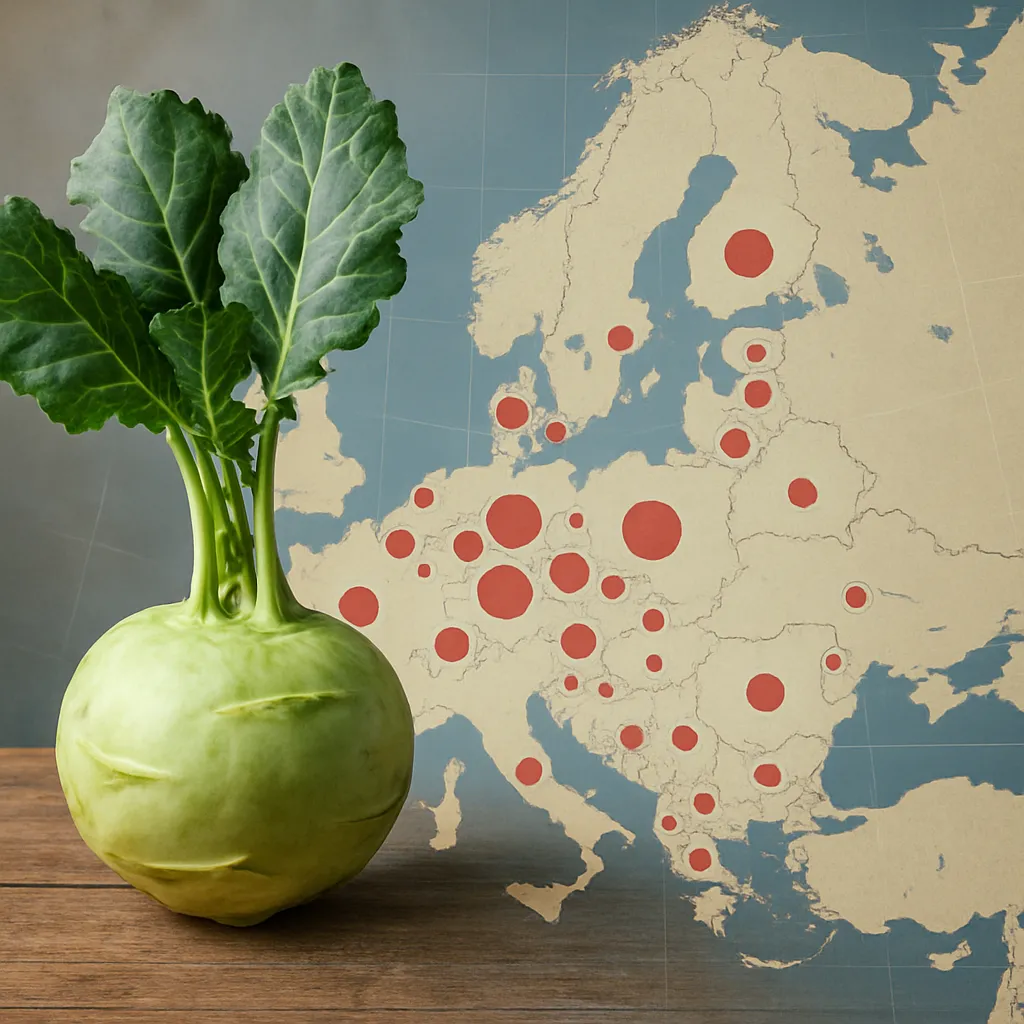
Legume production growth is not uniform; it varies by region and by commodity. Major producers like Brazil, India, Canada, and parts of sub-Saharan Africa and Australia show different trajectories shaped by domestic consumption, export opportunities, and investment in agricultural research.
South Asia and India
India remains one of the largest consumers and producers of pulses. Domestic demand is driven by traditional diets and food security policies, while production faces challenges from fragmented landholdings and climate variability. Policy measures, such as minimum support prices and procurement programs, influence planting decisions and market stability.
Americas
In the Americas, soybean production dominates legume metrics because of its central role in global oilseed and animal feed markets. North American and South American producers have expanded soybean area due to favorable global prices and investments in mechanization. Simultaneously, pulse production in Canada (peas, lentils, chickpeas) serves both export markets and rotation benefits for cereal farmers.
Africa
Sub-Saharan Africa exhibits growing interest in legumes such as cowpeas, pigeon peas, and groundnuts. Smallholder systems leverage legumes for household nutrition and soil fertility, with rising commercial opportunities where infrastructure and market linkages permit. However, inconsistent input access and post-harvest losses constrain market-oriented production for many farmers.
Sustainability, Practices and Innovation
Expanding legume production is increasingly framed as a pathway toward climate-smart agriculture. Farmers and researchers promote integrated approaches combining improved varieties, better management, and digital tools to raise productivity without sacrificing ecological integrity.
Crop management and agronomy
- Improved seed varieties that combine disease resistance with higher nutrient content help enhance the competitiveness of legumes on both small and large farms.
- Intercropping and relay cropping systems allow legumes to complement cereals, providing harvest diversification and risk reduction.
- Conservation agriculture practices—reduced tillage, residue retention, and diversified rotations—amplify the soil benefits of legumes and increase system-level resilience.
Technology, mechanization and digital tools
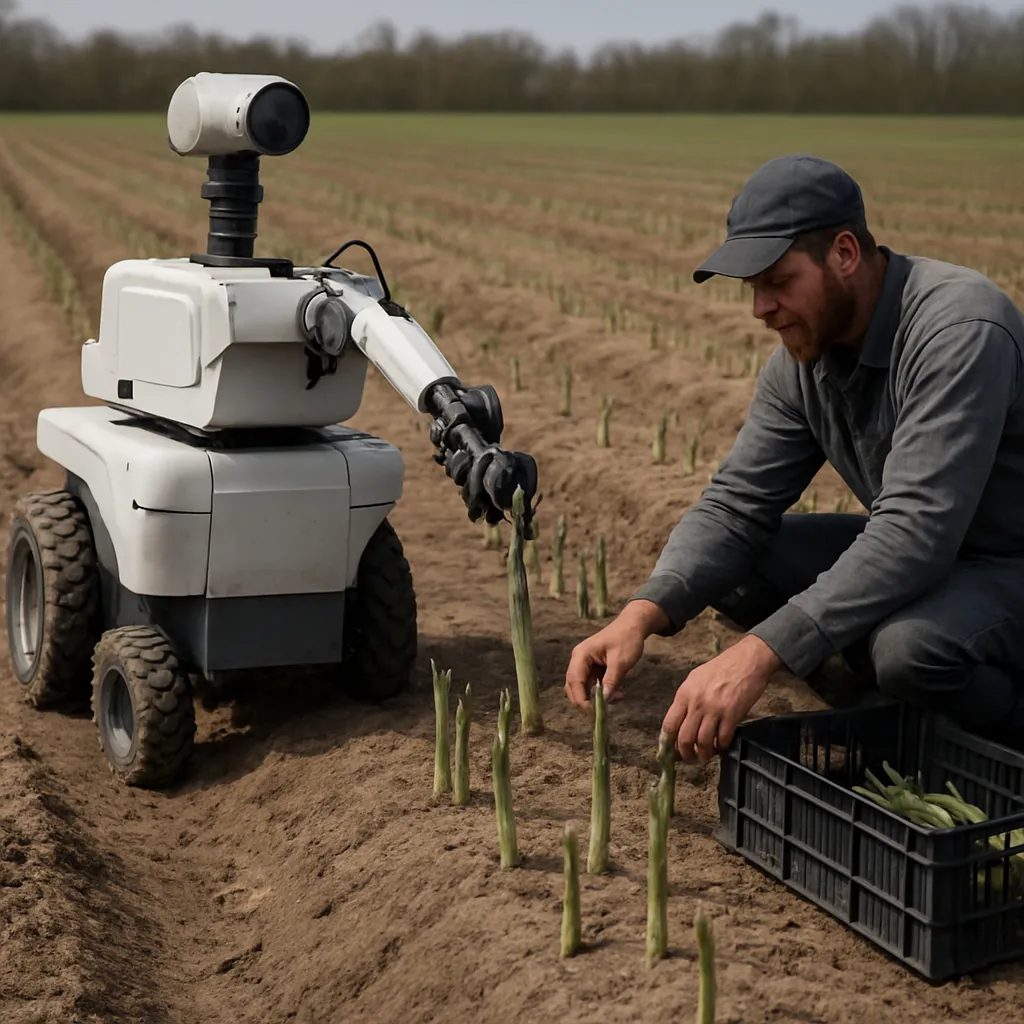
Advances in mechanization for small- and medium-scale producers reduce labor bottlenecks for planting and harvesting legumes. Digital advisory platforms and remote sensing improve planting recommendations, pest surveillance, and market intelligence. Extension services increasingly promote legume-specific best practices, aligning farmer decisions with emerging market signals.
Climate adaptation and mitigation
Legumes contribute to climate mitigation by lowering synthetic nitrogen use and sequestering carbon in soils when integrated into complex rotations. Moreover, drought-tolerant and early-maturing varieties enable farmers to adapt to shifting rainfall patterns, sustaining production in marginal environments.
Economic Incentives, Policies and Value Chains
Markets and policies shape incentives for legume expansion. Public procurement, subsidies, trade policies, and investment in processing infrastructure determine whether legumes remain an attractive option for producers and traders.
Value chain development
Processing capacity is crucial: milling, oil extraction, and pulse-cleaning facilities add value and open export opportunities. Investment in cold chains and storage reduces post-harvest losses and stabilizes supply, enabling producers to capture better prices. Contract farming arrangements and cooperatives often help smallholders integrate into higher-value chains.
Policy frameworks
Policies that support research and extension, provide market transparency, and ensure price incentives can accelerate legume adoption. At the same time, trade policies (tariffs, export bans) can cause volatility. Strategic policy design seeks to balance domestic food security with export potential to avoid supply shocks.
Challenges Facing Legume Scaling
Despite their advantages, legumes face constraints that limit wider adoption and commercialization. These challenges require coordinated action across research institutions, governments, private sector actors, and communities.
- Pests and diseases: Many legumes are susceptible to pests and pathogens. Investment in integrated pest management and resistant varieties is essential.
- Market volatility: Price spikes and crashes discourage long-term investments by farmers who lack risk-management tools.
- Seed systems: Reliable access to quality seed is uneven, particularly for smallholders and marginalized groups.
- Infrastructure gaps: Weak roads, storage, and processing facilities increase transaction costs and limit market participation.
- Gender and labor constraints: Women often perform key roles in legume production but face limited access to land, credit, and extension services.
Opportunities and Strategic Priorities
To translate the potential of legumes into durable economic and ecological gains, stakeholders should consider several priority actions that strengthen both markets and on-farm performance.
- Invest in breeding programs that focus on yield stability, nutritional quality, and resilience to abiotic stresses.
- Develop inclusive seed systems to ensure farmers can access high-quality planting material at affordable prices.
- Promote market linkages through cooperatives, contract farming, and digital platforms that connect producers to processors and buyers.
- Expand public and private investment in processing and storage to unlock value-added opportunities and reduce post-harvest losses.
- Support research on rotation effects and integrated systems to quantify the long-term economic benefits of legumes at farm and landscape scales.
Implications for Farmers, Consumers and Policymakers
For farmers, integrating legumes can reduce input costs, improve soil health, and diversify income streams. For consumers, broader legume availability enhances dietary options and contributes to more sustainable protein sources. Policymakers face the task of aligning incentives—ensuring that regulations, subsidies, and public investments support the resilient growth of legume sectors without creating adverse trade-offs.
Key terms that frequently surface in discussions around legume expansion include legumes, protein, nitrogen-fixation, sustainability, smallholders, yield, markets, biodiversity, soil, and innovation. These concepts reflect the multifaceted value of legumes—from agronomy and ecology to economics and nutrition—underscoring why they are central to contemporary agricultural transformations.