The global food system is experiencing a major shift as consumers, investors and policymakers increasingly prioritize new sources of nourishment. The rapid rise in interest for alternative protein options reflects broader concerns about sustainability, health and supply-chain stability. This article examines how evolving tastes are reshaping agricultural markets, production practices and rural economies, while also exploring technological advances, regulatory responses and the challenges inherent in scaling up diverse protein pathways.
Market drivers and economic dynamics
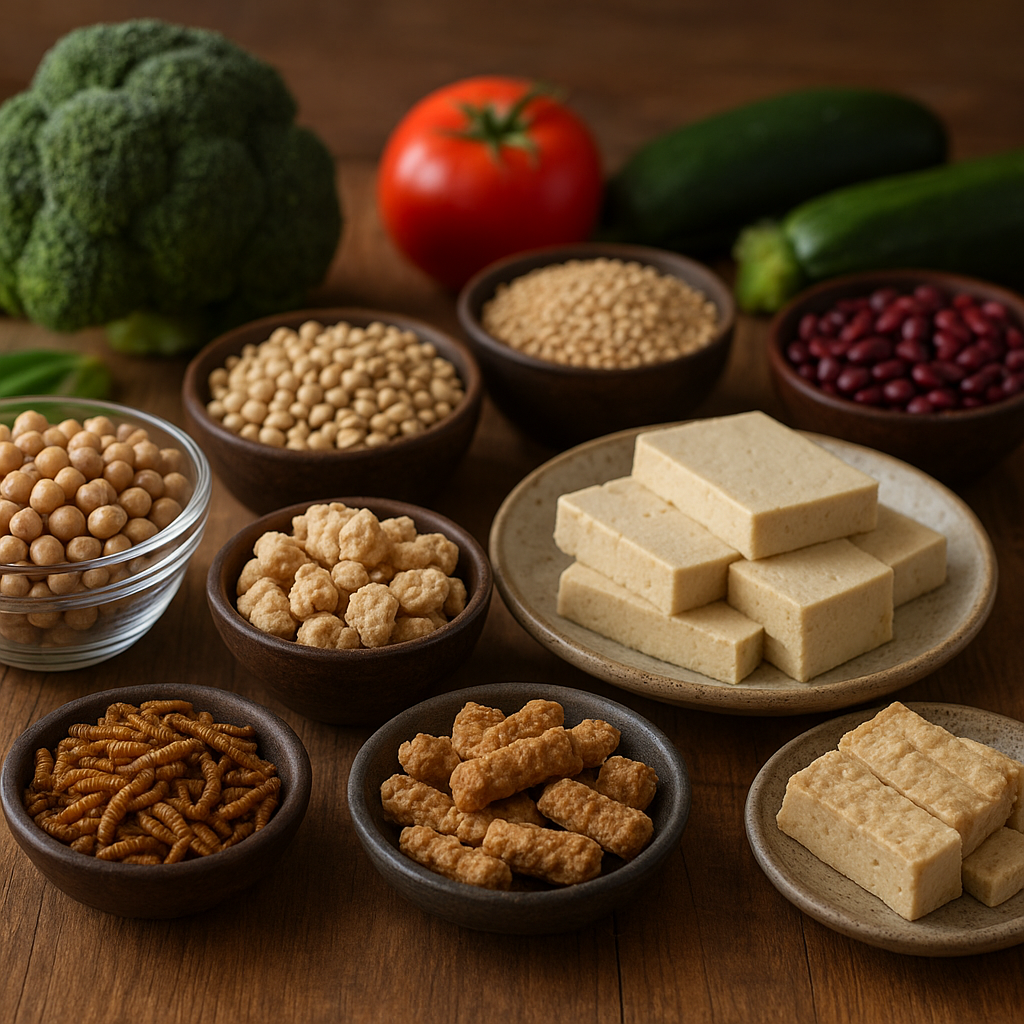
Several intersecting forces have accelerated the adoption of novel proteins. Population growth, urbanization and rising incomes push overall food demand upward, while shifting preferences among younger consumers promote plant-based and novel products. At the same time, volatility in commodity prices and concerns about long-term food security have prompted buyers and governments to diversify protein sources.
Key economic dynamics include:
- Changing demand patterns: Health-conscious and environmentally aware consumers often seek lower-impact foods. This trend increases demand for plant-derived and lab-grown options that can be marketed on the basis of lower emissions or ethical production.
- Investment flows: Venture capital and corporate R&D spending have surged into startups focused on fermentation, cultured meat and insect farming, fueling rapid product development and market entry.
- Price competitiveness: As production scales, costs for many alternative proteins are dropping, narrowing the gap with conventional animal proteins. Economies of scale and process optimization are key to continued cost reduction.
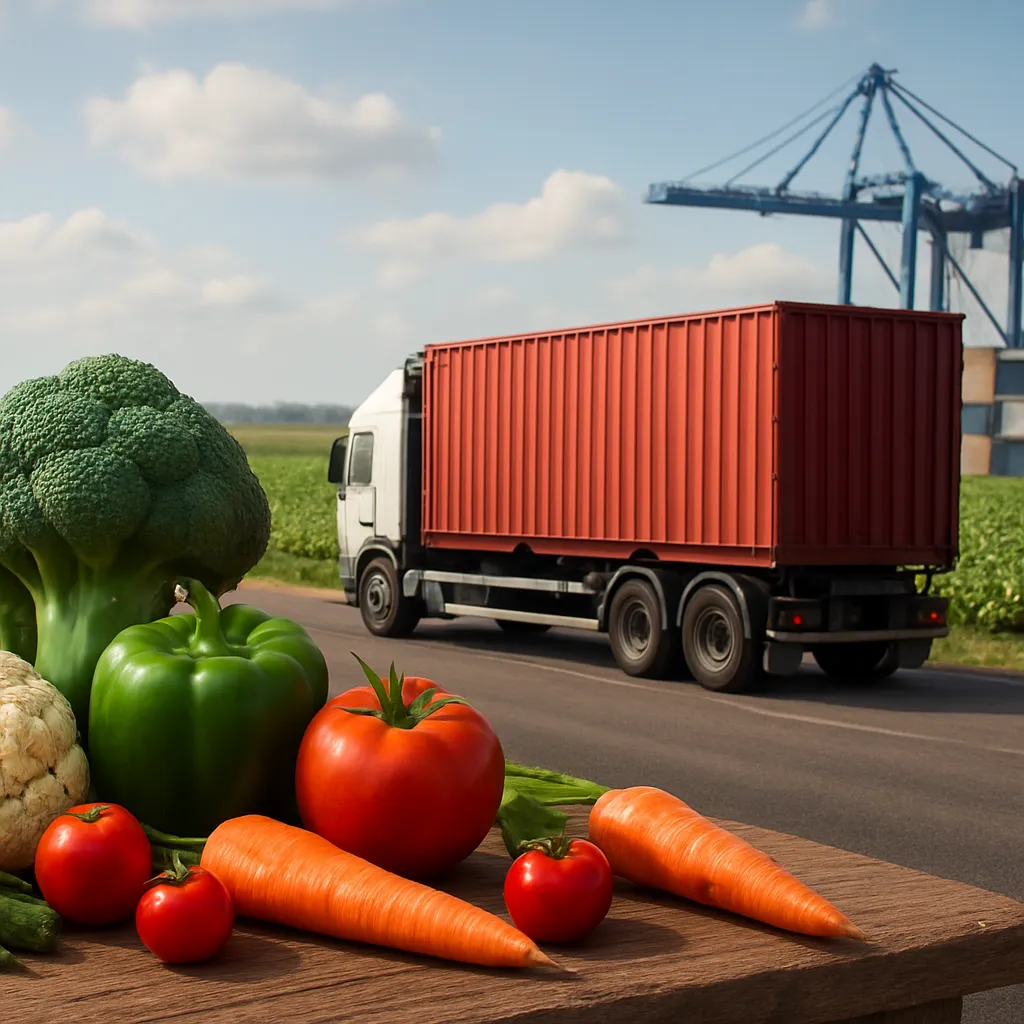
- Trade and supply chains: New supply chains are emerging for specialized inputs—such as protein isolates, microbial biomass and growth media for cell-cultured products—creating trading opportunities and dependencies that differ from traditional grain or livestock markets.
Agricultural implications and supply-chain transformations
The expansion of non-traditional protein production influences land use, crop choices and farm-level decisions. Farmers are adapting by diversifying rotations, growing protein-rich legumes for processing, or supplying biomass feedstocks for fermentation facilities.
Crop and land-use changes
Cultivation of pulses, oilseeds and specialty crops for protein extraction is becoming more attractive. These crops often bring agronomic benefits—such as nitrogen fixation in legumes—that can enhance soil health and reduce fertilizer needs. Nonetheless, scaling up demand for certain feedstocks could create pressure on land, potentially leading to monocultures if not managed responsibly.
Integration with existing systems
Many producers are exploring integrated models where existing agricultural outputs feed into alternative-protein value chains. Examples include:
- Processing co-located with farms to convert oilseed or legume harvests into concentrates and isolates.
- Using agricultural residues and by-products as substrates for microbial fermentation, increasing resource efficiency.
- Contract farming agreements that guarantee off-take and price stability for growers producing specialized crops.
Environmental and nutritional considerations
One of the principal arguments for expanding alternative proteins is their potential to reduce the environmental footprint of food production. However, the reality is nuanced.
Emissions, water and land use
Life-cycle analyses generally show that many plant-based and single-cell-protein products have lower greenhouse gas emissions and water footprints than conventionally produced beef or lamb. Yet the impacts vary depending on feedstock, production methods and energy sources. For lab-grown meat, for instance, the environmental benefit depends heavily on the source of electricity and the efficiency of cell-culturing processes.
Nutrition and food safety
Ensuring that alternative proteins deliver adequate nutrition is critical. Plant-based products can be formulated to approximate essential amino acid profiles, but bioavailability and micronutrient completeness must be monitored. Fermentation- and microbial-derived proteins offer promising nutrient density, yet require robust safety and quality controls to address potential contaminants and allergenicity.
Technological innovation and the role of research
Technological progress is central to lowering production costs and improving product quality. Advances span breeding and agronomy for protein crops, process engineering for extraction and texturization, fermentation technologies, and cell-culture systems.
Important innovation areas include:
- Precision fermentation to produce specific functional proteins, fats or flavor compounds with high efficiency.
- Cellular agriculture techniques that reduce growth-media costs and increase cell-density yields.
- Bioprocess optimization to scale up microbial protein production while minimizing energy inputs.
- Biotechnology improving crop yields and protein content without compromising environmental resilience.
Public-private partnerships and open research networks can accelerate these developments. Policymakers that support translational research and pilot facilities help bridge the gap between laboratory breakthroughs and commercial viability.
Policy, regulation and standards
Regulatory frameworks will determine how quickly and safely novel proteins enter mainstream diets. Clear labeling rules, safety assessment protocols and standards for production practices are essential to build consumer trust and facilitate trade.
Regulatory considerations include:
- Establishing safety assessment pathways specific to fermentation-derived and cell-cultured products.
- Developing accurate labeling rules that allow consumers to distinguish product types without creating misleading claims.
- Harmonizing international standards to enable cross-border trade and investment.
Supportive policies—such as pilot-project grants, tax incentives for sustainable processing plants, and farmer extension services—can encourage adoption and mitigate transition risks for traditional livestock sectors.
Impacts on farmers, rural communities and labor
As demand for different raw materials shifts, farmers face both opportunities and risks. Diversification into protein crop production or contract growing for processing facilities can increase income stability. Conversely, reduced demand for feed grains in some scenarios could pressure certain regions reliant on livestock chains.
Rural employment patterns may evolve as manufacturing, processing and biotechnology facilities are sited near feedstock supplies. This can create new skilled-labor opportunities, but also requires investments in training and local infrastructure. Ensuring equitable rural development will depend on inclusive policies and partnerships that integrate smallholders into new value chains.
Consumer adoption, marketing and cultural factors
Consumer acceptance is not automatic. Taste, price, perceived naturalness and cultural norms all influence whether people embrace alternative proteins. Effective strategies to enhance adoption include sensory improvements, targeted nutritional messaging and price parity initiatives.
Marketing considerations:
- Transparency around ingredients, sourcing and environmental claims helps build trust.
- Product formats that fit existing cooking patterns and culinary traditions tend to succeed faster.
- Education campaigns can clarify nutritional equivalence and safety, addressing misconceptions and fears.
Risks, trade-offs and ethical questions
The transition raises ethical and systemic questions. How will animal welfare concerns be balanced with livelihoods dependent on livestock? What happens to ecological services provided by pasture-based systems if large-scale land-use changes occur? And how can regulation prevent consolidation that marginalizes small producers?
Potential trade-offs must be managed through multi-stakeholder dialogue, adaptive policymaking and investments that prioritize both environmental goals and social equity. Building resilience into supply chains means planning for shocks—such as energy price spikes or crop failures—that disproportionately affect emerging protein sectors.
Paths to scalable and inclusive growth
For the sector to mature sustainably, coordinated actions are needed across public and private actors. Steps that can accelerate inclusive growth include:
- Investing in decentralized processing hubs that allow small and medium producers to participate.
- Creating standards and certification schemes that reward sustainable practices and ensure fair returns.
- Funding workforce retraining programs to help agricultural communities shift into new roles.
- Supporting circular approaches that use agricultural residues and renewable energy to power production.
Collaboration between traditional agricultural stakeholders and innovators helps align incentives and reduce friction during the transition.
Outlook: scenarios for the coming decade
Multiple trajectories are possible. In one plausible scenario, a diversified protein landscape emerges where plant-based, microbial and cultured products coexist with conventional meat, each occupying distinct niches based on price, taste and sustainability profiles. In another, rapid technological improvements and decisive policy support push novel proteins into the mainstream, substantially altering global livestock demand and agricultural commodity flows.
Whichever path unfolds, the central challenge will be ensuring that transformation enhances food system resilience and equity. Technologies and business models need to be paired with sound governance and inclusive economic strategies so that farmers, consumers and ecosystems all benefit. The rise in global demand for new protein solutions offers an opportunity to rethink how food is produced and distributed—if innovation is guided by the principles of environmental stewardship, social fairness and economic practicality.
To navigate the transition successfully, stakeholders should prioritize research that compares full life-cycle impacts, pilot programs that bring processors and producers together, and regulatory frameworks that balance safety with innovation. The coming years will be decisive in determining whether these promising proteins become a complement to existing systems or a disruptive force that reshapes agricultural landscapes worldwide. The capacity of institutions, markets and communities to adapt will largely determine whether the shift delivers better outcomes for the environment, public health and rural livelihoods.
As the sector evolves, attention to innovation, equitable policy design, and investment in human capital will be essential. The interplay between technological progress and grounded agricultural practice will ultimately define the contribution of alternative proteins to global food security and the long-term resilience of farming systems.