The global expansion of greenhouse agriculture is reshaping how food is produced, traded and consumed. Across continents, a growing number of producers are adopting controlled environment systems to increase productivity, extend growing seasons and reduce exposure to extreme weather events. This trend is driven by the convergence of rising consumer demand for year-round fresh produce, advances in technology, and the pressing need to strengthen food-security in a world facing climatic uncertainty. The following sections explore market dynamics, agronomic practices, and the environmental and economic implications of the greenhouse revolution.
Drivers of Global Expansion
Several structural and immediate forces explain why greenhouse agriculture is expanding rapidly. First, shifting consumer preferences for fresh, high-quality vegetables and fruits year-round have stimulated demand for reliable production systems. Second, unpredictable weather patterns and the increased frequency of droughts and storms make open-field production riskier, elevating the appeal of protected cultivation. Third, technological progress in automation, lighting and climate control systems has lowered the barriers to entry and improved returns.
Economic and market incentives
- Premium pricing for off-season or locally grown produce improves profitability for greenhouse growers.
- Vertical integration along supply chains allows retailers and processors to secure consistent volume and quality.
- Global trade networks create opportunities for greenhouse producers to export specialty crops to distant markets with limited season overlap.
Climate resilience and resource optimization
By shifting production into a controlled environment, growers can buffer crops from extreme weather and pest outbreaks, stabilizing yields. Investments in greenhouse infrastructure also enable better management of scarce resources: systems designed for water-efficiency and nutrient recycling dramatically reduce per-kilogram resource footprints compared with open-field agriculture.
Market Dynamics and Trade
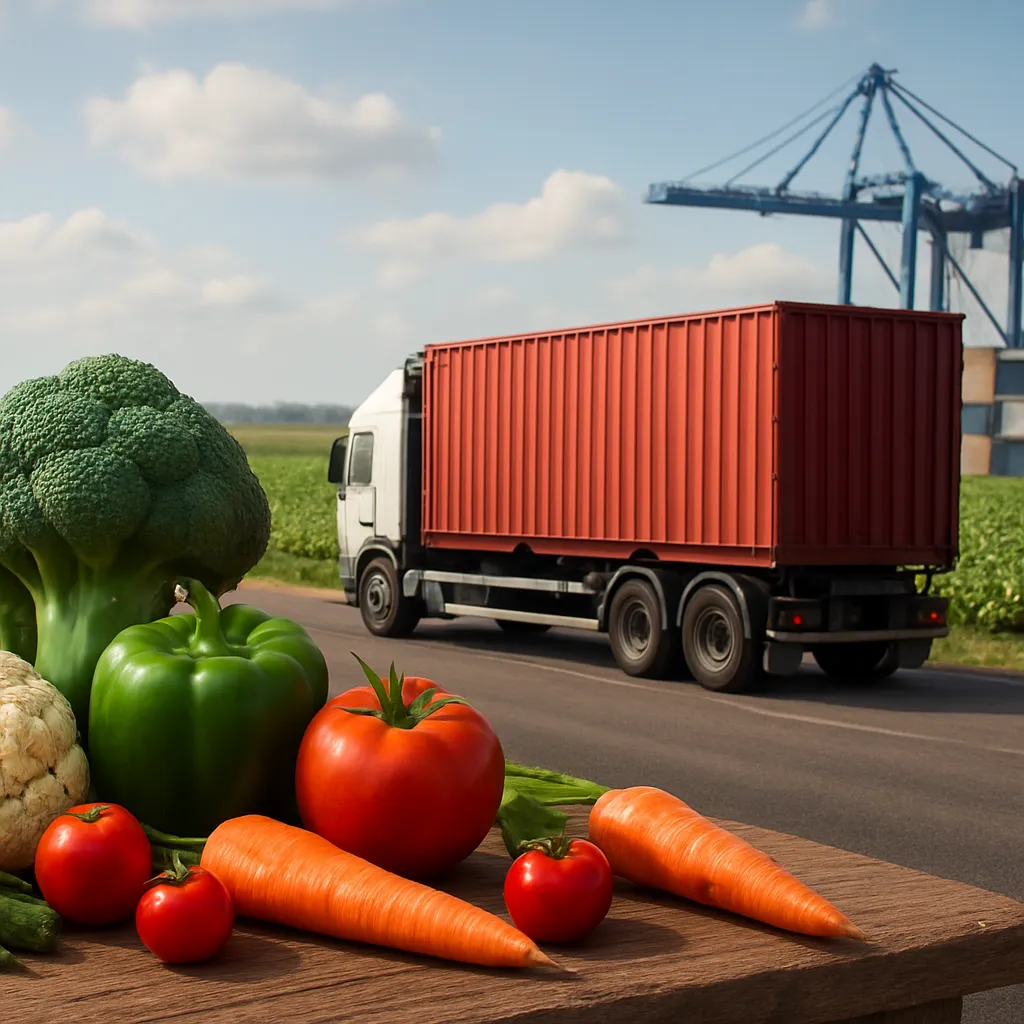
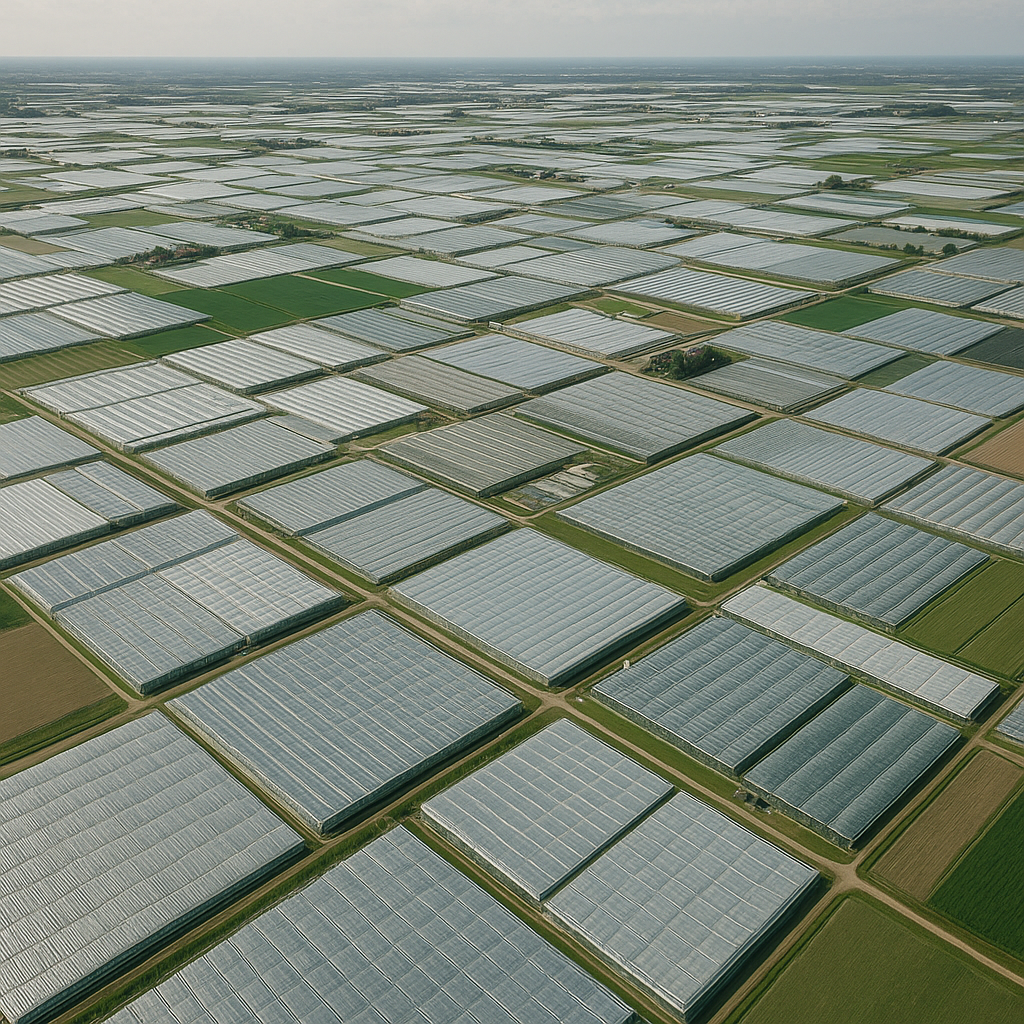
Greenhouse products are becoming a significant segment of the fresh produce market. Countries with limited arable land or harsh climates—such as the Netherlands, Spain, Israel and parts of the Gulf—have turned greenhouse horticulture into competitive export industries. Conversely, major agricultural producers are investing in greenhouse technology to supply urban markets with high-value crops.
Regional patterns
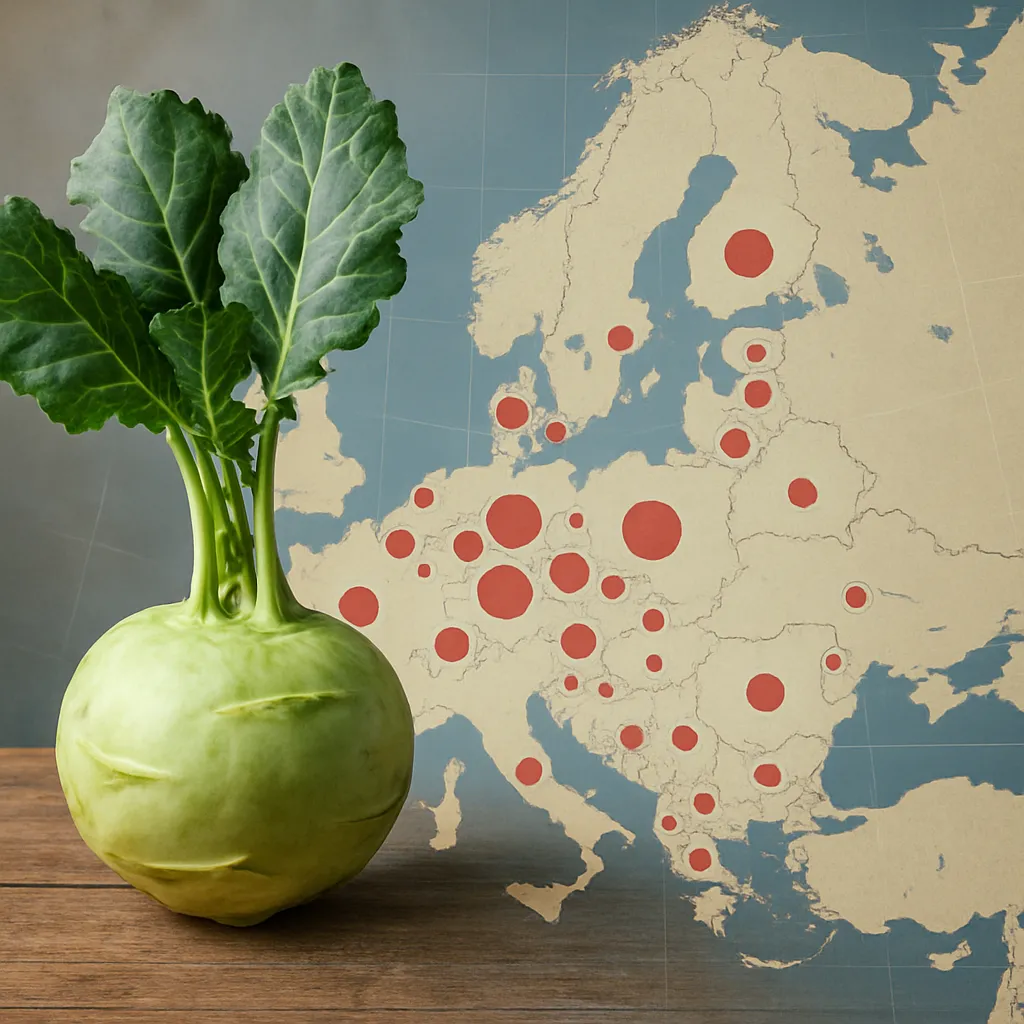
- Europe: Long-standing expertise in greenhouse engineering and high labor costs have accelerated automation and large-scale, high-tech facilities focused on tomatoes, cucumbers and leafy greens.
- Middle East and North Africa: Water scarcity and import dependence have catalyzed investments in greenhouses and hydroponic systems to boost local production.
- Asia: Rapid urbanization and rising incomes have driven vertical farms and rooftop greenhouses in cities, while rural greenhouse clusters expand vegetable output.
- Americas: Investment is concentrated in both commodity-scale greenhouses in temperate zones and technology-driven urban farms near dense consumer bases.
Supply chains and market access
Market access for greenhouse produce depends on cold chain logistics, certification standards and retail relationships. Premium supermarket chains and foodservice companies value consistency, traceability and reduced pesticide residues—areas where greenhouse-grown crops can excel. However, smaller producers may struggle to meet certification costs or to access high-value distribution channels, making cooperative marketing and contract farming important strategies.
Technologies and Practices Transforming Production
Technical innovations are at the heart of greenhouse expansion. Integration of sensors, data analytics and automated controls enable precise management of microclimates and inputs. Modern greenhouses increasingly rely on integrated systems that combine climate control, fertigation, LED lighting and pest management to optimize plant growth and resource use.
Controlled environment agriculture and vertical farming
Beyond conventional greenhouses, controlled environment agriculture (CEA) and vertical farming systems are proliferating in urban and peri-urban contexts. These models employ stacked layers, artificial lighting and hydroponic or aeroponic growing media to maximize yield per square meter. While capital and energy costs remain challenges, steady improvements in LED efficiency and system design are narrowing the viability gap.
Pest, disease and nutrient management
Greenhouse systems allow for more targeted and reduced use of chemical inputs through biological control agents, integrated pest management and closed-loop nutrient systems. This contributes to greater food safety and can lead to lower residues on produce, which is increasingly demanded by health-conscious consumers.
Environmental and Social Impacts
While greenhouses offer substantial benefits, they also pose environmental and social trade-offs that require careful management. Energy consumption for heating, cooling and lighting can be significant, particularly in colder climates or in facilities relying heavily on artificial lighting. Conversely, greenhouse systems can reduce land-use pressures and prevent habitat conversion when implemented in place of expanding open-field cultivation.
Energy and emissions
Depending on the energy source, greenhouse operations can either increase or decrease net greenhouse gas emissions. Integration of renewable energy, waste heat recovery and energy-efficient design reduces the carbon intensity of production. Policymakers and investors are increasingly tying incentives to climate-friendly practices within greenhouse projects.
Water and nutrient footprints
Recirculating hydroponic systems and drip irrigation markedly reduce water use versus traditional irrigation. Nutrient management in closed systems reduces leaching and pollution of local waterways, supporting broader sustainability goals. However, initial setup costs for closed-loop systems can be high, posing barriers for smallholders.
Social considerations and labor
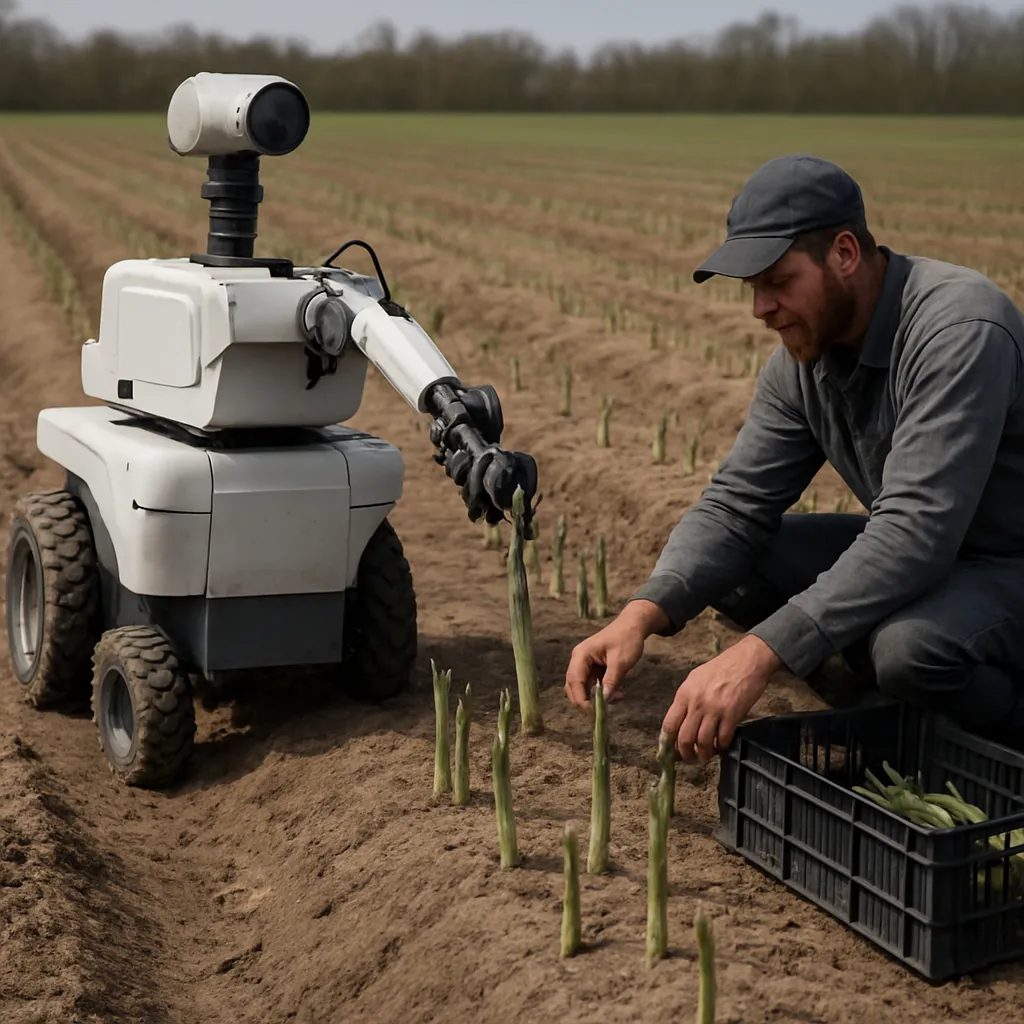
Greenhouse agriculture can create stable, year-round employment and reduce the seasonality of farm labor. Automation, however, can displace low-skilled tasks, emphasizing a need for workforce retraining and new skill development. Ensuring equitable access to the benefits of greenhouse technology is a pressing social policy challenge.
Finance, Policy and Pathways to Scale
Scaling greenhouse agriculture requires targeted finance, enabling policies and capacity building. Public and private investment models—from concessional loans to public-private partnerships—are facilitating the establishment of greenhouse clusters and demonstration projects. Governments can accelerate adoption by offering tax incentives, subsidized energy for pilot installations, and streamlined permitting for greenhouse construction.
Business models and risk management
- Contract farming and offtake agreements reduce market risk for new greenhouse operations.
- Shared-service platforms—such as cooperative buying of energy or inputs—lower operational costs for small producers.
- Insurance products tailored to controlled-environment agriculture can improve bankability and attract capital.
Research, extension and capacity building
Knowledge transfer is essential. Extension services, vocational training and farmer-to-farmer networks help disseminate best practices in greenhouse design, crop selection and integrated pest management. Public research institutions and private firms should collaborate to adapt technologies to local conditions and to develop low-cost solutions for resource-constrained producers.
Opportunities and Challenges Ahead
The expansion of greenhouse agriculture presents significant opportunities to strengthen regional food systems, boost rural incomes and deliver high-quality produce with lower environmental impacts. Realizing these benefits at scale requires addressing several challenges: reducing energy intensity through renewables and design improvements; lowering capital costs for small- and medium-sized enterprises; ensuring equitable access to markets; and aligning incentives to support sustainable practices.
Success will depend on multi-stakeholder collaboration: producers, technology providers, financiers, regulators and research institutions must co-design pathways that prioritize resilience, efficiency and social inclusion. As greenhouse systems become more sophisticated and widely adopted, they are likely to play a central role in diversified, climate-resilient agricultural landscapes that can serve growing urban populations while conserving natural resources.