The ongoing digital transformation is reshaping modern agriculture across production, trade and rural economies. Farmers, agribusinesses and policymakers are increasingly integrating new tools that change how crops are grown, how prices are discovered, and how risks are managed. This article examines technological drivers, evolving agricultural markets, sustainability implications and the institutional shifts required to scale innovation. It focuses on practical market dynamics and on-farm changes while highlighting emerging opportunities for more resilient and efficient food systems.
Technologies driving change in production
Advances in sensors, robotics and information systems are elevating farm management from art to a more measurable science. At the heart of this transition are systems that enable precision application of inputs and increasing levels of automation in routine tasks. The combination reduces waste, optimizes yields and lowers environmental footprints.
Precision tools and automation
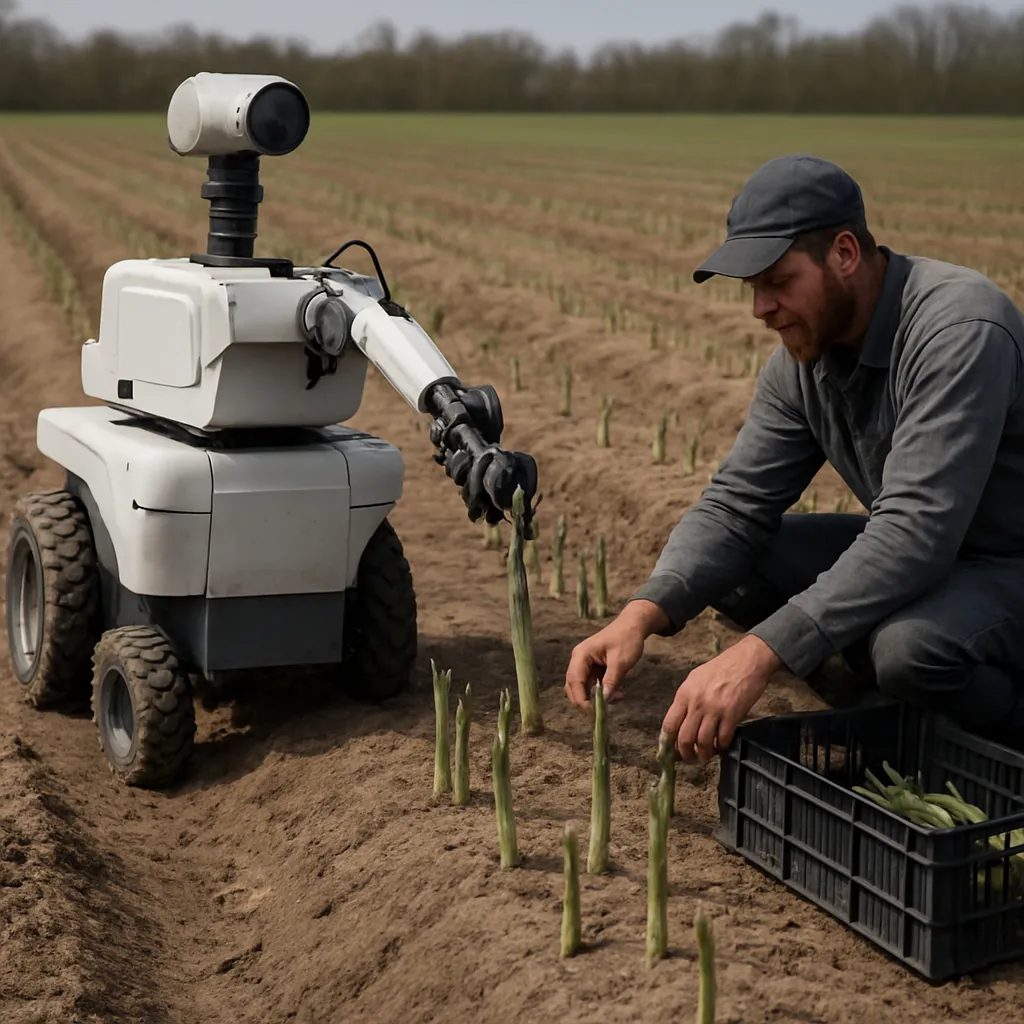
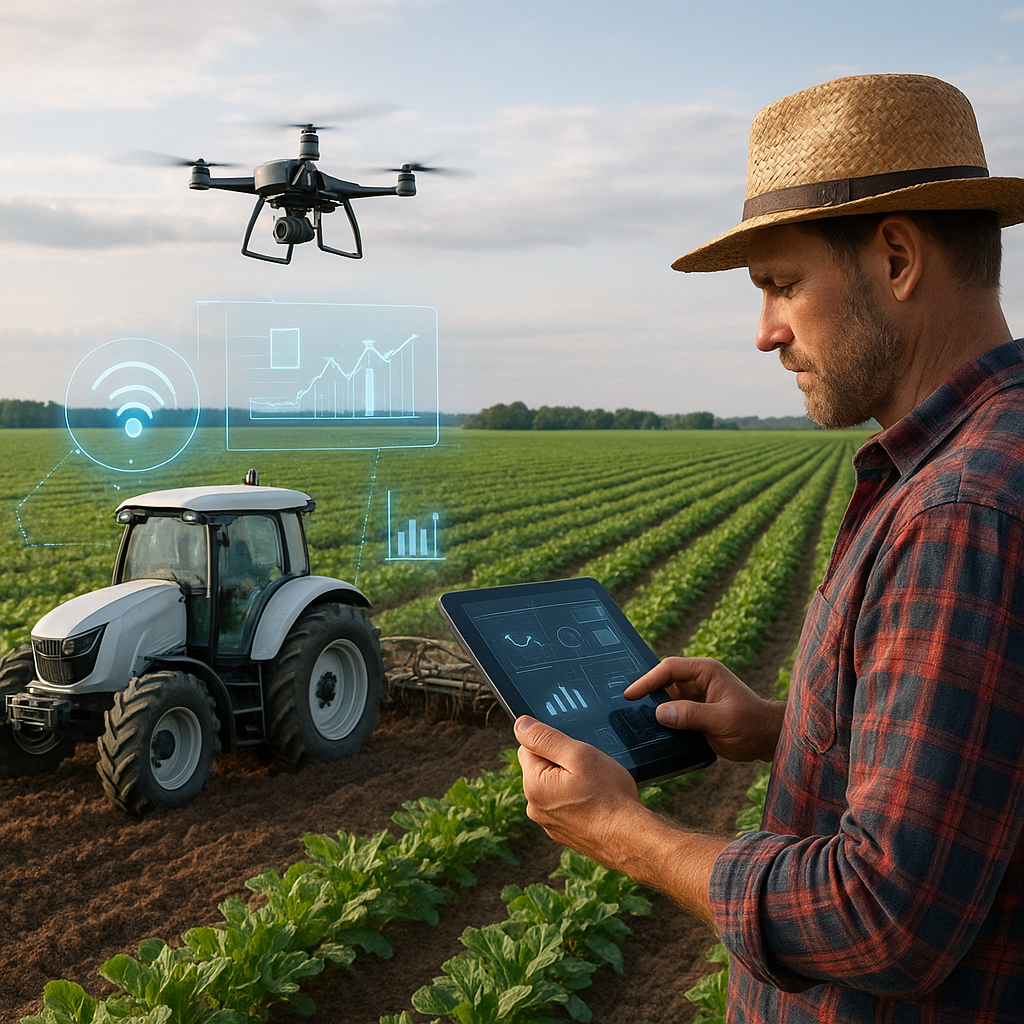
Precision agriculture uses geospatial mapping, variable-rate technology and machine guidance to apply water, fertilizer and pesticides where they are most needed. Drones and satellite imagery enable timely field assessments, while autonomous tractors and robotic harvesters reduce labor bottlenecks. These innovations deliver clear economic benefits through input savings and yield improvements, and they are particularly impactful when integrated with decision-support systems.
Connectivity and data analytics
Widespread deployment of IoT devices—soil moisture probes, weather stations and livestock trackers—has generated massive volumes of data. When combined with cloud computing and AI-powered analytics, these datasets produce actionable insights: predictive disease models, optimized irrigation schedules and real-time supply forecasts. The value of data increases dramatically when it is interoperable across equipment, advisory services and market platforms.
- Remote sensing improves pest and nutrient detection.
- Machine learning models translate sensor feeds into management alerts.
- Robotics automate repetitive tasks, enabling precision labour allocation.
Markets, supply chains and new commercial models
Digital tools are not limited to the field. They are transforming how agricultural markets function, from price discovery to traceability. E-marketplaces and platform services allow farmers to connect directly with buyers, bypass traditional intermediaries and obtain better price signals. At the same time, integrated supply chains can react faster to demand shifts and reduce post-harvest losses.
Price transparency and market access
Online commodity platforms aggregate bids from multiple buyers and provide transparent pricing. For smallholders, mobile-based marketplaces offer access to regional and international buyers previously out of reach. This democratization of market access increases competition and can improve farmer incomes, but it also requires reliable logistics and payment systems.
Traceability and consumer demands
Consumers and retailers increasingly demand provenance and safe food. Blockchain pilots and centralized traceability systems provide verifiable records from farm to fork. These systems improve food safety management and open new market channels for products that can credibly demonstrate sustainable or organic credentials. Traceability becomes a commercial asset when linked to certification and premium pricing.
- Contract farming platforms match supply with processors and reduce price volatility.
- Digital financing products use farm-level data to underwrite loans and insurance.
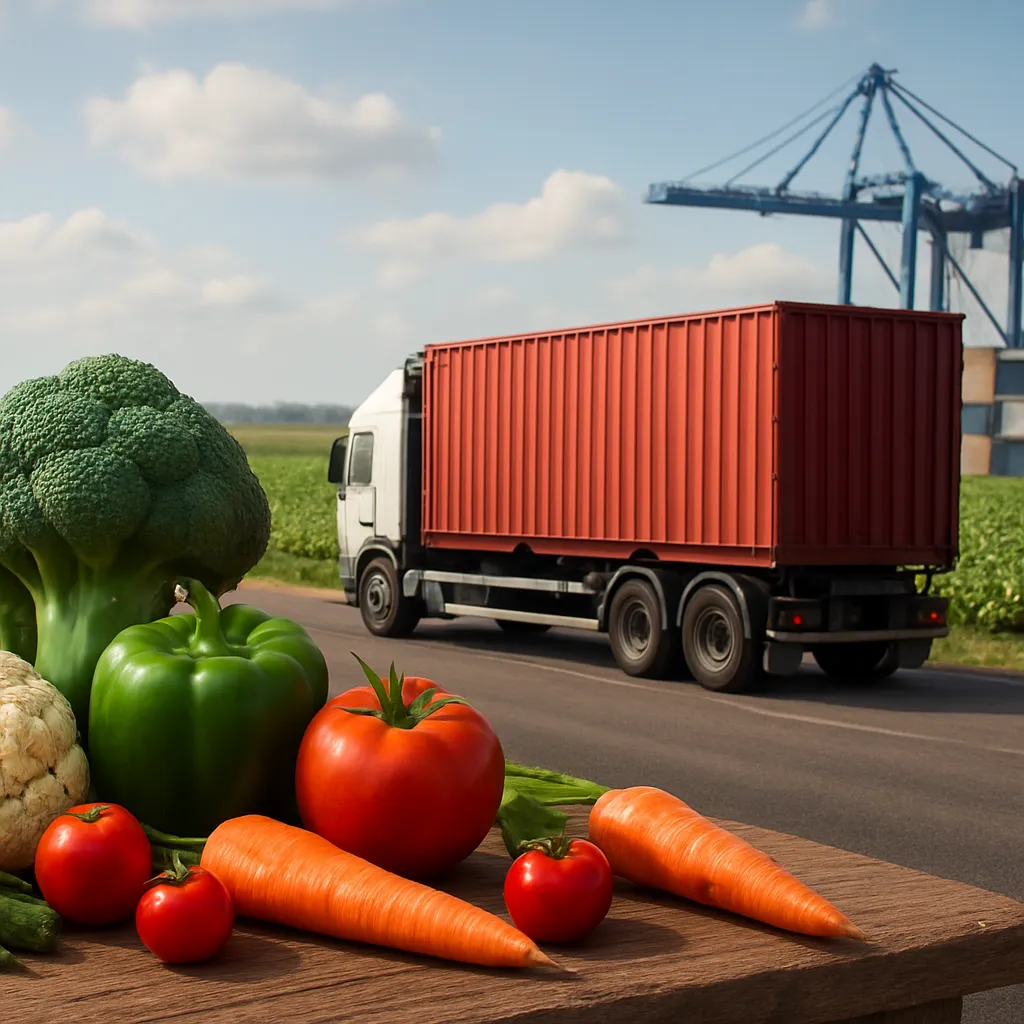
- Cold-chain innovations and logistics apps preserve value between field and market.
Sustainability, climate resilience and natural capital
Technology can be a potent enabler of sustainability objectives. Farms that adopt data-driven practices often use fewer inputs per unit of output and can manage resources more efficiently. Integrating ecological goals with market incentives is central to scaling climate-smart agriculture.
Resource efficiency and environmental monitoring
Variable-rate irrigation and nutrient management reduce runoff and conserve water. Remote monitoring identifies marginal lands that should be restored or repurposed, while precision spraying minimizes chemical exposure. Satellite-based indices and field sensors allow verification of environmental outcomes, which is crucial for participating in ecosystem service markets.
Carbon, biodiversity and rural livelihoods
Carbon credit schemes tied to regenerative practices are becoming accessible to farmers via aggregation platforms. These platforms measure sequestration and bundle credits for sale to corporate buyers. At the same time, biodiversity-friendly practices can be quantified and rewarded through premiums or public incentives. Balancing ecological goals with farm profitability is essential to ensure that smallholders are not left behind.
- Payments for ecosystem services can diversify farm income streams.
- Digital monitoring supports compliance with environmental standards.
- Climate-smart interventions enhance farm-level resilience to weather extremes.
Policy, finance and barriers to adoption
Despite the benefits, multiple barriers slow the adoption of advanced technologies. Infrastructure gaps, limited access to capital and uneven digital literacy are persistent challenges. Public policy and private finance must work together to close these divides and to ensure equitable outcomes.
Data governance and farmer rights
Who owns and controls farm data matters for trust and adoption. Clear rules around data privacy, sharing and compensation are necessary to prevent exploitation and to ensure that farmers benefit from the value generated by their records. Policies that encourage open standards and interoperability reduce vendor lock-in and foster innovation.
Financing and incentives
Upfront cost remains a significant constraint for many farmers. Blended finance models, outcome-based payments and pay-as-you-go technologies lower entry barriers. Public subsidies targeted at soil health, water management and precision equipment can accelerate adoption when tied to measurable outcomes. Ensuring that financial products are adapted to agricultural seasonality is also essential.
- Investments in rural connectivity unlock the value of digital tools.
- Training programs build skills for data-driven decision-making.
- Regulatory frameworks should promote policy coherence and innovation-friendly standards.
Practical recommendations for stakeholders
Scaling the benefits of modernization requires coordinated action across actors. The following measures can accelerate positive change while managing risks and distributing gains more fairly:
- Farmers and cooperatives: adopt interoperable tools, share anonymized data to improve models, and explore aggregation to access carbon and premium markets.
- Private sector: invest in user-centric designs that meet the realities of small and medium farms; provide flexible finance and after-sales support.
- Policymakers: build connective infrastructure, legislate clear data rights, and design incentive schemes that reward measurable sustainability outcomes.
- Researchers and extension services: co-develop local solutions, validate algorithms on diverse farms, and translate insights into actionable advisories.
- Financial institutions: use farm analytics to create tailored credit and insurance products, reducing the cost of capital for productive investments.
Adoption will be uneven across geographies and commodities, but the combination of improved tools, smarter markets and stronger institutions points toward a future in which agriculture is both more productive and more sustainable. Success hinges not just on technology itself but on governance, inclusive business models and sustained investment in rural capabilities. Achieving that balance will determine whether the digital era delivers equitable and lasting improvements across global agricultural systems.